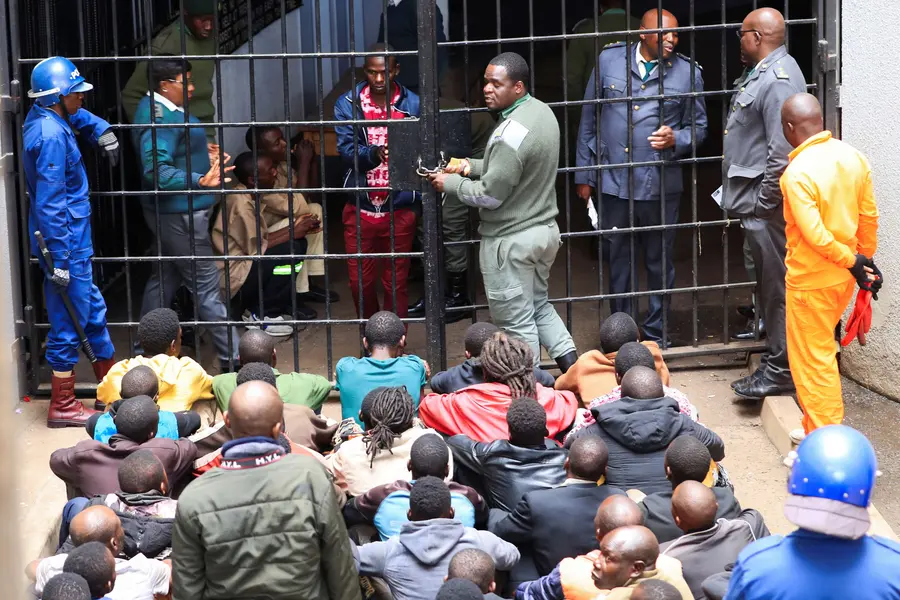
Although it was one of the best-attended, the Southern African Development Community (SADC) Summit took place under a dark cloud of alleged human rights violations. Zimbabwe, hosting the 44th such summit, came under scrutiny for a crackdown on activists.
Much to their dismay, civil society in that country found President Emmerson Mnangagwa’s counterparts rather lenient when they visited Zimbabwe over the weekend. This gave the impression they were not too concerned about the 160 arrests that preceded the summit since June.
“The zimbabwean government started a crackdown on civil society [and] political leaders on the basis that they do not want to be embarrassed because they are going to organise protests,” said Ngqubutho Nicholas Mabhena, general-secretary of Zimbabwe Communist Party (ZCP).
SMread: Taliban united Afghanistan, but humanitarian issues persist
Crackdown in Zimbabwe
Civil society groups have for a while sounded the alarm over potential human rights abuses and mistreatment of activists in the country formerly run by dictator Robert Mugabe.
Said Dzikamai Bere, Zimbabwe Human Rights Association in an interview with France24: “The people who were arrested … have been tortured badly and some of the 78 opposition members have also been tortured badly”.
“We have begun to question whether this summit is really a good thing for Zimbabwe, or just a public relations act for the government,” he added.
Describing the arrests as being “overboard”, Mabhena stated the crackdown had created a stifling atmosphere in which it became difficult to mobilise.
“It’s a very difficult environment to operate in because to call for a meeting, comrades are afraid that they might be picked up. There is generally fear inside Zimbabwe because of this crackdown.”
Three activists were heading to a civil society conference last week when they were detained and denied bail. Namatai Kwekweza, Robson Chere, and Samuel Gwenzi are among more than a hundred students, journalists and union leaders who have been silenced in recent months.
