Image Source: Euro News
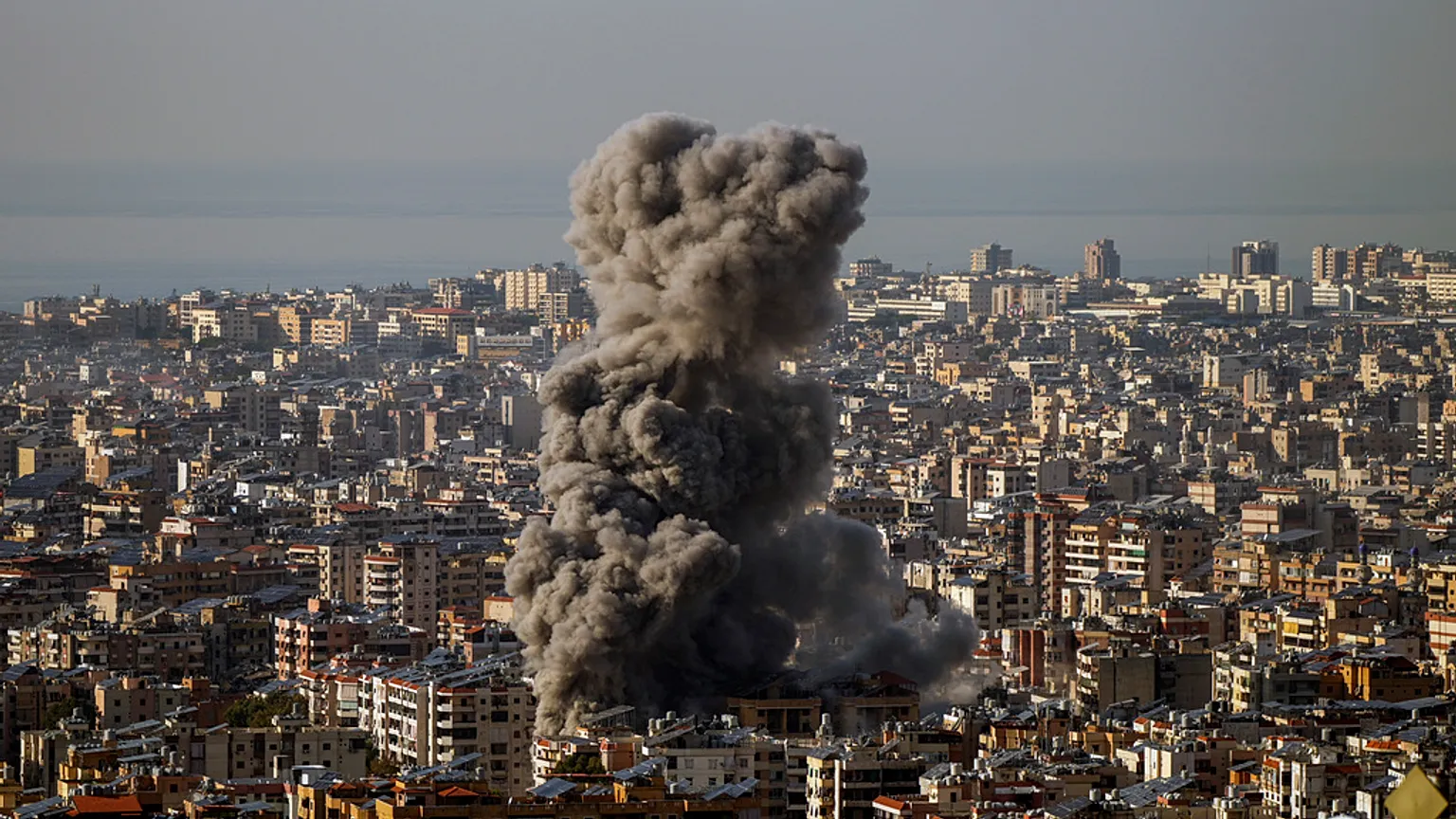
World – According to Lebanese news producer Ibrahim Zayat, more than 200 people have been killed in Lebanon since the ceasefire late last year, with civilians bearing the brunt of ongoing Israeli strikes. His remarks come as
Amnesty International demands a full probe into what it says could amount to war crimes by Israel, following the destruction of over 10,000 civilian structures in southern Lebanon.
Amnesty described the scale of damage as the “deliberate devastation of civilian life,” highlighting homes, mosques, cemeteries, roads and even soccer fields reduced to rubble.
It accused Israel of laying explosives and bulldozing neighbourhoods in violation of international law.
Zayat stressed that the violence did not end with the truce, pointing to mounting casualties despite Lebanon’s compliance with the ceasefire agreement. He said the majority of those killed were ordinary people with no ties to armed groups, underscoring the toll on civilian life.
“There have been more than 200 martyrs killed since the ceasefire by the Israeli drones, air strikes, and civilians. Most of them are civilians, and they are not armed.”
The Lebanese journalist also drew attention to evidence of attacks on schools, which human rights monitors later confirmed to be true.
He explained that Israel’s destruction extended to educational institutions, which had not been used for combat but were repurposed by occupying forces.
“There was also a report from Human Rights Watch about how Israel destroyed five schools, literally five schools, not even used for any armed acts. When the Israeli army entered these border villages, they used the schools as shelters… and they even destroyed them and damaged them before they left.”
He further highlighted the case of Naqoura, a coastal village in south Lebanon, as a clear example of destruction escalating after the ceasefire rather than during the conflict. This, he argued, exposed Israel’s disregard for agreements.
“When the Israeli army entered this village, the number of destruction rose from around 30% to more than 80%… we have seen a destroyed village, but not through the war during a ceasefire time.”
Political Climate in Lebanon
Zayat criticised the government’s alignment with U.S.-backed calls for Hezbollah’s disarmament. He suggested that such directives did not reflect the will of Lebanese citizens, who continue to support the movement.
“The Lebanese government is literally doing what the US told them to do, and not a decision that represents the facts on the ground.”
Despite the devastation, Zayat underlined the strong sense of solidarity with Palestinians in Gaza. He said families in southern Lebanon framed their sacrifices as contributions to a larger struggle for justice.
“If you visit any family in South Lebanon… you will say that all of this we present, we give for the Gaza people.”
He added that ordinary Lebanese people want stability, reconstruction, and a genuine ceasefire. Yet he warned that peace could not come at the price of political concessions.
“What people demand right now is more stability, to reach a real ceasefire agreement with Israel that builds our villages again… without giving any chance for Israel to take from Lebanon any kind of normalisation.”
