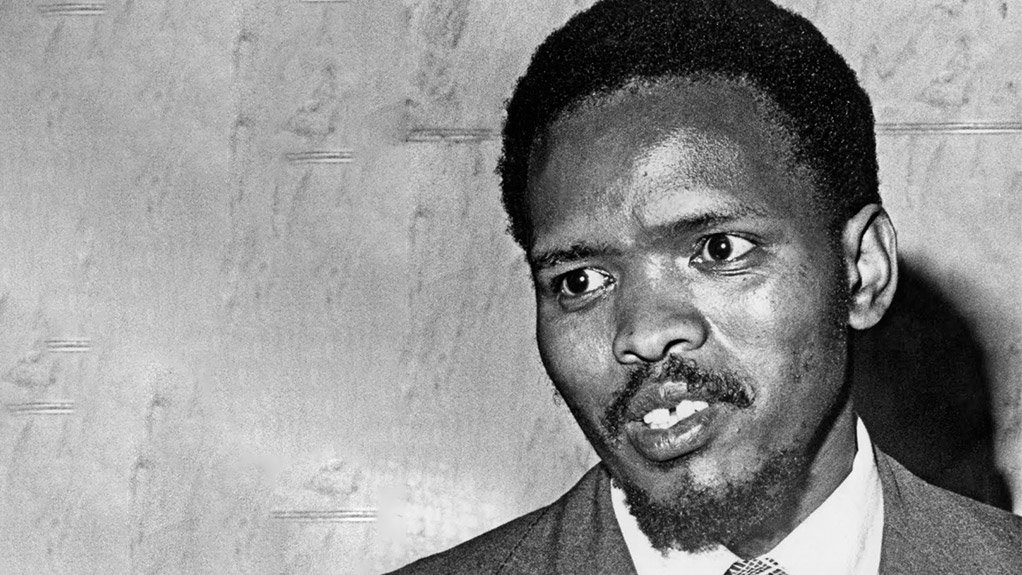
Forty-eight years after anti-apartheid activist Steve Biko died in police custody, the inquest into his death has been officially reopened by South Africa’s National Prosecuting Authority (NPA). The move, announced on Friday, 12 September 2025, the anniversary of Biko’s death, has been met with cautious optimism by his family, who have seen previous attempts at accountability fail.
The formal reopening of the inquest was confirmed in the Gqeberha High Court after Justice Minister Mmamoloko Kubayi approved a request from National Director of Public Prosecutions, Shamila Batohi. The aim, according to an NPA spokesperson, is to “address the atrocities of the past and assist in providing closure to the Biko family and society at large.”
Steve Biko, a leading figure in the Black Consciousness Movement, died on 12 September 1977 at the age of 30. He was arrested for violating a banning order and held for nearly a month. He was then transported, naked and unconscious, in the back of a police vehicle for 1,200 kilometres to a prison hospital in Pretoria, where he died from extensive brain injuries and kidney failure.
SMread: Far-right rally sees clashes, condemnation and calls for ‘revolutionary’ change
A long and difficult road to justice
This is not the first attempt to hold someone accountable for Biko’s death. A 1978 inquest concluded that no one was legally responsible, despite medical evidence of brutality. Later, during the Truth and Reconciliation Commission (TRC) in 1996, five security branch policemen involved admitted to fabricating their initial statements. They claimed Biko had hit his head against a wall during a scuffle, but their applications for amnesty were denied. No prosecutions followed.
Speaking on the reopening of the inquest, his son, Nkosinathi Biko, who was six years old when his father died, expressed the family’s cautious stance. “We are cautious… We’ve been around the block a couple of times,” he said, noting that previous inquiries have not led to prosecutions. He emphasised that for the family, “healing demands justice.”
A significant challenge for the new inquest is the passage of time. Only two of the five security policemen originally implicated, Johan Beneke and Daantjie Siebert, are still alive and are now in their 80s. The Biko family has urged the court to proceed swiftly, concerned that the remaining persons of interest could forget crucial information. Despite these hurdles, Nkosinathi Biko remains hopeful that new evidence will emerge and that the process will serve as a form of public education.
Some critics, however, view the reopening of the Biko inquest as a “performative and symbolic” gesture, questioning the political will of post-apartheid administrations to prosecute apartheid-era crimes. They argue that the state has had decades to act on the TRC’s findings but has consistently failed to do so, choosing symbolism over substantive justice. The inquest is set to return to the Gqeberha High Court on 12 November 2025.
Image via Polity.
