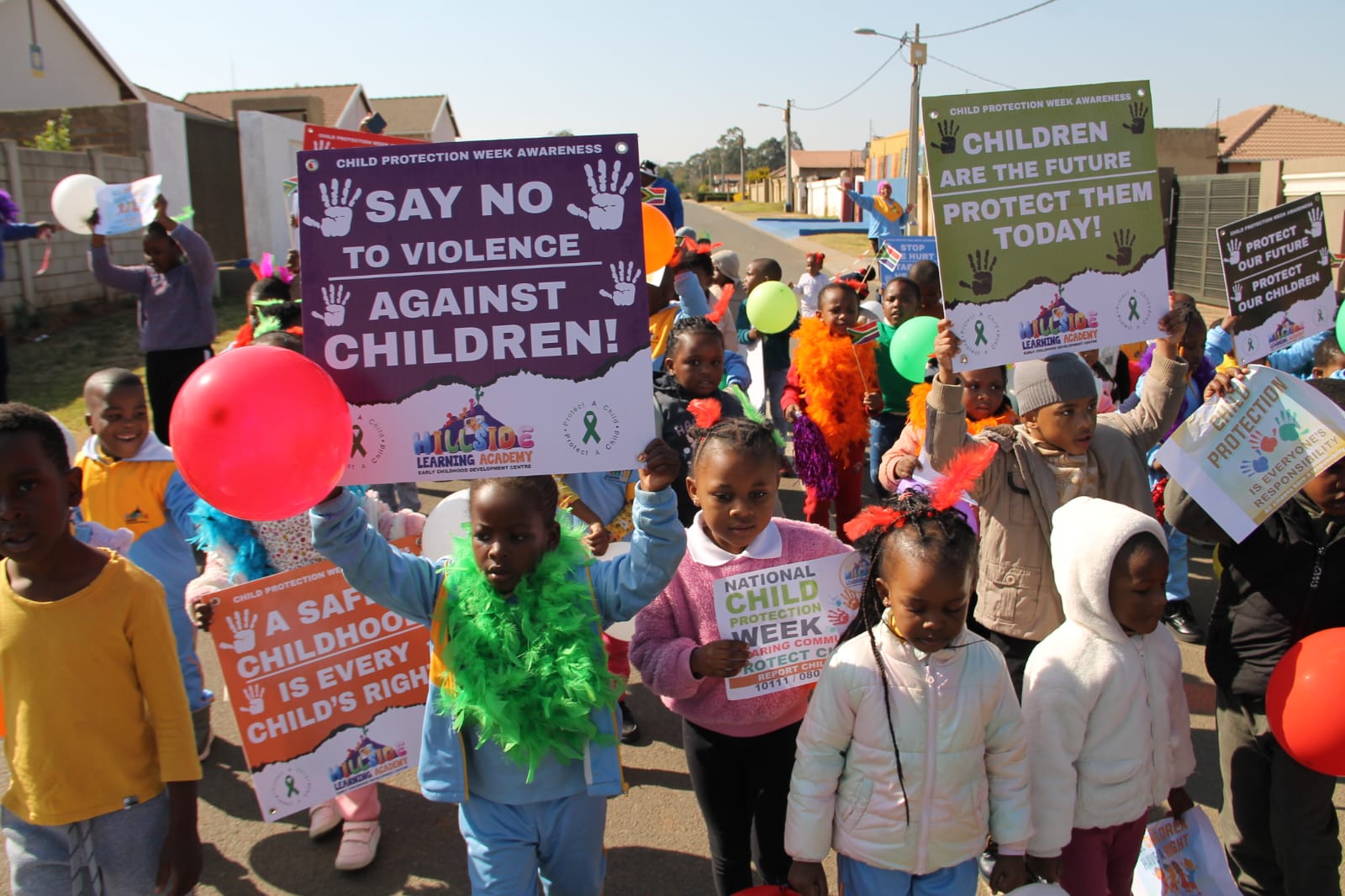
Image Source: Globe Post
Local – According to the Director of Programmes at Save The Children South Africa, Megan Briede, South African children remain at constant threat, with abuse, neglect and exploitation showing no signs of declining. Her remarks came as the country observes Child Protection Week, an occasion that this year falls against a backdrop of growing concern about whether South Africa is doing enough to keep its children safe.
She said the deepening social crises gripping communities, including poverty, unemployment, substance abuse and the breakdown of family structures, were continuing to drive children’s vulnerability to dangerous levels.
“We are not seeing a decline in child abuse, neglect and exploitation of children. And as the social environment in which they’re living continues to have challenges, such as poverty, we continue to see children’s risk growing. Particularly in incidents of sexual abuse are very high.”
A Persistent Problem
One of the most alarming patterns Briede highlighted was the problem’s persistence rather than its isolated nature. She argued that South Africa’s failure to centre children in budget planning at all levels of government was a key structural obstacle to meaningful progress.
She pointed specifically to the way budgeting decisions at every level of government consistently sideline children’s needs in favour of other priorities, warning that this carries long-term consequences for the country as a whole.
“If our children are not safe and are not growing up safe, then we’re not creating adults that are going to be able to effectively run our country. And many of these child abuses that you mention, the most concerning aspect is the fact that they happen within homes and in trusted environments.”
Abuse Closest to Home
Briede also addressed the troubling reality that abuse most frequently occurs within the home, carried out by people children know and trust. The economic dependency many families have on perpetrators makes reporting incredibly difficult, with children often effectively silenced by circumstances beyond their control.
Compounding the problem is a response system that lets children down at their most vulnerable, leaving those who do report abuse with little reason to ever do so again, and in rural areas, the distance to the nearest police station only deepens that failure.
“If I report, will I actually get the help that I need, or will I have just exposed myself and actually made the situation worse? So our response system is part of the challenge, and we’re seeing particularly in rural communities for children, you might go and do the talk at a school, but a police station, for example, would be an hour’s walk.”
