The arrival of Ramadan 1447 is a divine favour and a significant opportunity for spiritual upliftment that many did not live to witness. While many focus on the physical act of abstaining from food, the true essence of the month lies in worship.
Sheikh Dawood Msimanga emphasises that the Quranic prescription of fasting is not a new obligation but a continuation of a legacy shared by those before us. However, the ultimate objective remains the attainment of taqwa, often translated as God-consciousness or the creation of a protective barrier between oneself and the punishment of Allah.
“Whenever the verse of the Quran or the surah starts with ‘O you who believe’, then we have to pay more attention because Allah subhanahu wa ta’ala in His address is only and merely addressing the believers,” says Sheikh Msimanga. He notes that once a person understands that fasting is a decree from Allah, they realise they have no choice but to obey the instructions and the command.
SMread: Israeli authorities limiting Palestinians at Al-Aqsa during Ramadaan
The internalisation of worship
To truly benefit from this month, one must move beyond the surface level of rituals. Internalising acts of worship, such as wudhu (ablution) and salah (prayer), allows a believer to cleanse not just the body, but the soul. This involves reflecting on the removal of sins with every limb washed and focusing entirely on Allah during prayer, leaving the distractions of the dunya (world) behind.
Sheikh Msimanga encourages Muslims to deepen their connection with the Quran by studying Arabic and tafsir. This direct understanding of the text transforms the annual repetition of verses into a profound, personal dialogue with the Creator.
SMread: Hout Bay fence sparks outrage
The two joys of fasting
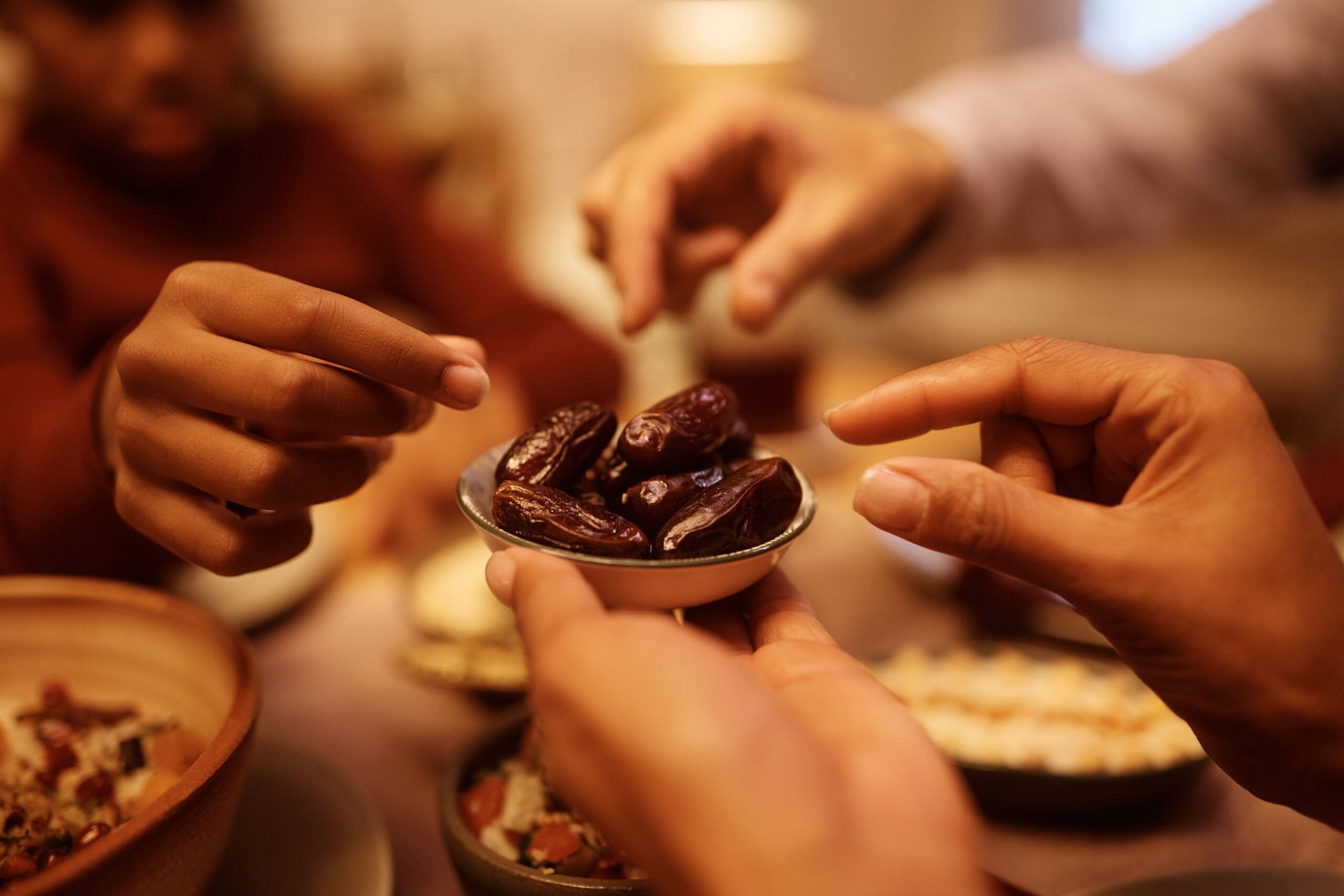
The spiritual journey of the fasting person is marked by two distinct moments of happiness. The first occurs daily at the time of iftar, a moment of natural joy as the fast is broken. The second, and more significant, is the joy of meeting one’s Lord, where the secret act of fasting—known only to Allah—is rewarded with entry into Jannah.
“For a fasting person, there are two happinesses,” Sheikh Msimanga explains. “The first one, at the time of breaking the fast, and then the main one is by the time when the person will meet his Lord… because Allah Ta’ala is the one who will grant him the reward.”
As the community navigates this Ramadan, the emphasis remains on pure intention (niya) and the acceptance of supplications. For a du’a to be accepted, one must ensure their sustenance and conduct are halal, ensuring that the spiritual mirror remains clear of the darkness of ego.
Image credit: Shutterstock
