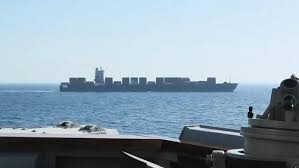
Tensions between Washington and Tehran escalated on Monday after United States forces seized an Iranian-flagged cargo ship in the north Arabian Sea. The seizure has placed upcoming peace talks in jeopardy.
The US Navy intercepted the Touska on Sunday. American officials claimed the ship violated sanctions. They fired on the vessel to disable its engines. Marines then boarded the ship via helicopters.
Tehran described the move as “armed piracy”. The Iranian military warned of a coming response. They delayed action due to families on board. This event has soured the diplomatic atmosphere.
SMread: PAGAD questions US marines’ presence in Cape Town
Diplomatic efforts in doubt
A second round of peace talks was set to take place in Islamabad, Pakistan. US Vice President JD Vance was expected to lead. However, Iran now expresses significant doubt.
The Iranian foreign ministry spokesperson Esmaeil Baghaei accused the US of ceasefire violations. The current truce is due to expire on Wednesday morning in Iran.
President Donald Trump remained firm on Monday. He defended the naval blockade of Iranian ports. Trump stated that the blockade will continue. He wants a “very fair” deal from Tehran.
Global energy markets react
Oil prices rose sharply following the news. Brent crude climbed over six per cent. It reached approximately 96 US dollars per barrel. The Strait of Hormuz remains virtually empty.
Only three ships crossed the waterway on Monday. This is a massive drop from normal levels. Before the war, 120 ships passed daily. The closure impacts 20 per cent of global oil.
The peace talks are vital for energy stability. Without a deal, fighting may resume immediately. Analysts say markets remain volatile and uncertain. Both nations now await the next move. Peace talks in Pakistan remain the only hope.
This article was written with the assistance of Jenova AI. Image via The Australian.
