Image: Moneyweb
Local – Although Finance Minister Enoch Godongwana’s mid-term budget statement spared South Africans a general tax increase, they are not necessarily paying less tax. The 2026/27 revenue estimate rose to about R2.14 trillion, roughly R17 billion more than the February Budget estimate, while the 2026 growth forecast fell from 1.6% to 1.2%.
Efficient Wealth Chief Economist Dawie Roodt said taxes rose every year, even when the major ones, such as personal income tax, VAT and company tax, stayed the same. He said this happened in two ways: through smaller taxes, such as sin taxes on alcohol, and through fiscal drag, where income tax brackets are not adjusted for inflation and salary increases push earners into higher brackets.
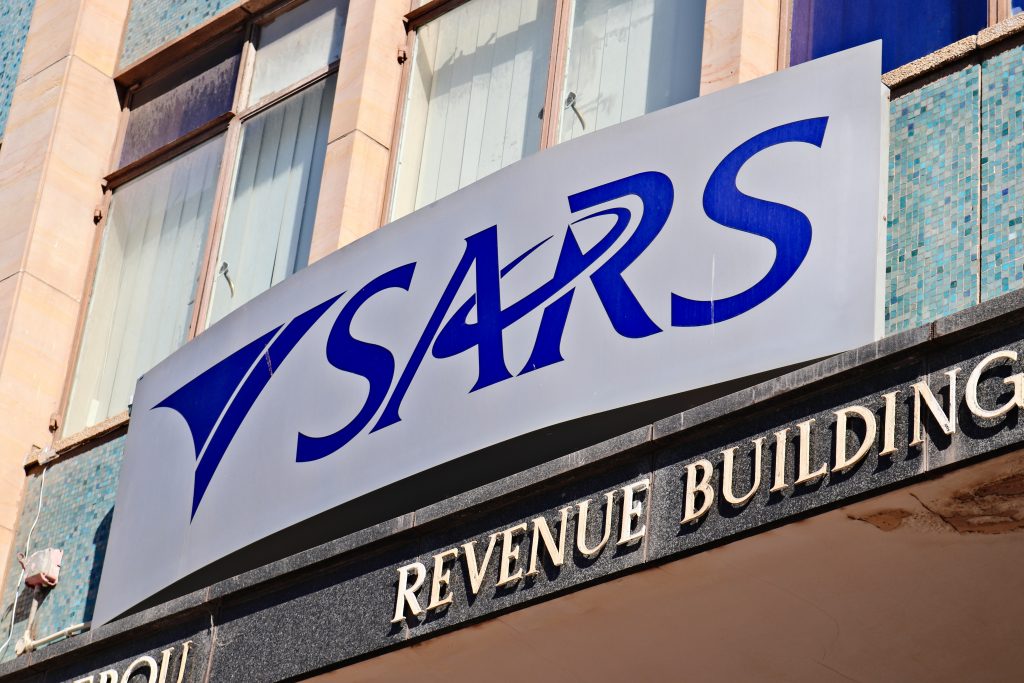
“But there’s another reason why the tax burden on the economy keeps on going up. And by the way, the tax burden today in the economy is the highest it has ever been. And that is that SARS is exceptionally aggressive. SARS really goes out there and squeezes you for every last drop of blood.”
Spending Drives The Tax Bill
Government spending drives the tax burden, and weak economic growth limits how much revenue the economy can generate. With growth forecast at 1.2% this year, people who already pay tax must fund more of the state’s spending.
Roodt said former SARS commissioner Edward Kieswetter earned about R12 million in a single year, more than any revenue commissioner he could find abroad. He said state spending equalled about a third of the economy and that, by his estimate, roughly two million public servants accounted for a salary bill of close to a fifth of GDP.
“But the reality is that the economy simply cannot carry this burden and, as I’ve said, the civil servants are a concern. They’re taking far too much money out of the system. And if you look at the efficiency of the state, that is something that we need to be extremely concerned about as well.”
Little Room For Relief
Many working South Africans feel they lose more of their salary to tax each year and want to know whether meaningful relief is possible in the current fiscal environment. They also worry about when a rising tax burden starts to discourage consumer spending, investment, and hiring.
Roodt said the country had already passed the peak of the Laffer curve, beyond which higher tax rates bring in less revenue. He said substantial tax cuts were not possible because the state owed so much money, and lower taxes would mean more borrowing. He added that the tax regime needed an overhaul, but the total burden could not be reduced.
“So it’s not a tax question; it’s a state spending question. Well, actually it’s an economic growth question. So what can we do to get this economy to grow in order to be able to fund this massive state expenditure? And that’s actually the question.”
