Image Source: BBC
Local – Dr Leila Mansoor believes that lenacapavir has the potential to become one of the most important advances in HIV prevention seen in many years.
The Senior Scientist at the Centre for the AIDS Programme of Research in South Africa (CAPRISA) and site co-principal investigator for the PURPOSE 1 clinical trial said the drug’s combination of near-perfect efficacy and a twice-yearly dosing schedule sets it apart from anything currently available.
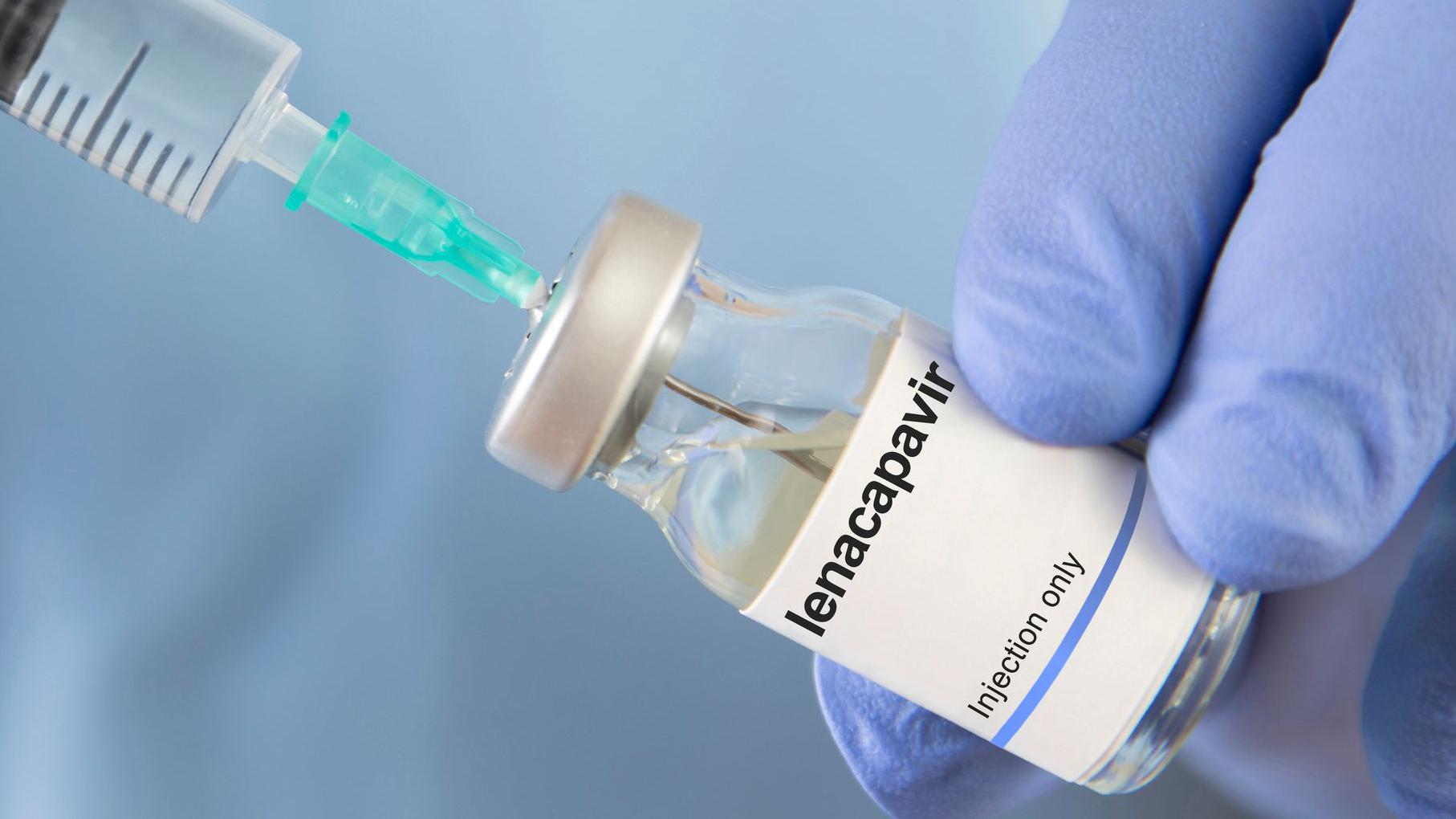
Lenacapavir is a long-acting capsid inhibitor administered as a subcutaneous injection every six months. Unlike daily oral PrEP, it removes the burden of daily adherence — a distinction Dr Mansoor argued is particularly significant for women navigating pregnancy and breastfeeding.
“It’s a long-acting HIV prevention medicine, and it’s known as a capsid inhibitor. Instead of taking a pill every day, a person can receive protection that lasts for six months.”
Near-100% Efficacy in Young Women
The PURPOSE 1 trial, conducted primarily among young women, was one of two clinical trials that led to lenacapavir’s licensing. Both trials returned close to 100% efficacy in preventing HIV infection.
South Africa’s prevention landscape has historically offered condoms and daily oral PrEP, but Dr Mansoor argued that lenacapavir expands what is available to women managing competing demands. She said the data on safety in pregnancy and breastfeeding had been encouraging.
“The current available data are very reassuring. There have been no major safety concerns that have emerged from pregnancies during the clinical trials. However, with any new intervention, ongoing safety monitoring will always remain important.”
National Rollout Begins
South Africa’s rollout began in early June, launched by President Ramaphosa, and will expand in phases through the public health sector. Dr Mansoor said local manufacturing could lower costs for South Africans and reduce dependency on international supply chains.
She said the scale of opportunity is historic, but the real test now lies in implementation. Dr Mansoor urged women to weigh their options and act on what works for their lives.
“Women now have more HIV prevention choices than ever before. The important thing is to choose the prevention method that best fits your life. The best HIV prevention method is the one that a woman can use confidently, consistently and comfortably.”
