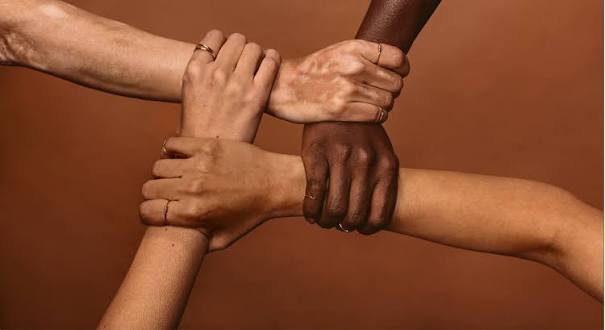
For many South Africans, support for Palestine has become a defining moral issue of our time. Yet that support raises uncomfortable questions about how solidarity is practised closer to home.
Why are some struggles embraced while others are met with suspicion, hostility, or silence? Why does empathy appear limitless across borders, yet often falter when directed towards African migrants living in our communities?
These are some of the issues explored by Siyafana Sonke activist Madison Bannon, whose analysis moves beyond headlines and political slogans to examine the deeper forces shaping public attitudes in South Africa.
SMread: From apathy to action: your guide to the Nov. 4 elections
The unfinished struggle
Three decades after democracy, South Africa remains one of the most unequal societies in the world. While political freedoms have expanded, economic inequality continues to define daily life for millions.
Bannon argues that many of the frustrations driving social tensions today are rooted in economic structures that survived the transition from apartheid.
Poverty, unemployment, and limited access to opportunities create fertile ground for division, particularly when people are encouraged to view one another as competitors rather than allies.
This leads us to a society where anger is often directed sideways, towards fellow working-class people, instead of upwards towards the systems and institutions that maintain inequality.
SMread: A celebration of stories
Have migrants become scapegoats?
Migration remains one of South Africa’s most emotionally charged issues. Public discourse frequently portrays migrants as responsible for unemployment, crime, housing shortages, and pressure on public services.
Bannon challenges these assumptions, arguing that the reality is considerably more complex.
Many migrants arrive through legal channels but later lose their status due to administrative failures and backlogs within government departments. Rather than addressing these institutional shortcomings, public frustration is often redirected towards migrants themselves.
Many have spent their entire lives here, providing jobs, contributing to the economy, paying their taxes and growing old in a country that doesn’t consider them citizens anymore.
This creates an environment where legal status becomes irrelevant in the eyes of those promoting exclusionary narratives.
Xenophobia does not remain confined to one group. Once division becomes normalised, it can easily expand to include people from different provinces, ethnic groups, or communities.
SMread: Iran and US set 60-day deadline for final agreement
The digital battlefield
The conversation also highlights the growing role of technology in shaping public opinion. Social media platforms have become powerful tools for mobilisation, but they have also become spaces where misinformation spreads rapidly.
Organised campaigns, online manipulation, and politically motivated narratives can amplify existing fears and deepen social divisions.
In a country where many people receive their news primarily through digital platforms, distinguishing fact from propaganda becomes increasingly difficult. Especially when they’ve begun using fake governmental posters to incite panic, as noted by News24.
This has significant consequences for public debate, particularly on contentious issues such as migration, race, and international politics.
SMread: After decades of subservience, Parliament flexes a muscle
The economics of division
Division serves particular interests. When workers compete against one another, employers and powerful economic actors face less pressure to improve wages, working conditions, or labour protections.
Blaming migrants for economic hardship may offer a simple explanation, but it does little to address the underlying causes of poverty and inequality.
Instead, Bannon advocates for greater labour solidarity across communities. Protecting workers, regardless of nationality, could strengthen collective bargaining power and challenge exploitative practices that affect both South Africans and migrants.
SMread: Libertas investors demand answers
Housing, accountability, and political will
This is about more than just migration. It points to broader questions of political accountability. Bannon speaks about concerns around foreign property ownership and its impact on housing affordability in major cities such as Cape Town.
Rising property prices and rental costs have become a growing source of frustration, yet public attention often focuses elsewhere. The conversation also addresses South Africa’s position on international justice and accountability, particularly regarding citizens who hold dual citizenship and serve in foreign military forces.
These issues carry a different question: Are governments willing to apply legal and ethical standards consistently, regardless of political consequences?
SMread: PEPFAR cuts threaten HIV support, not just medication
Beyond selective solidarity
It is about time that South Africans examine the consistency of their values. If solidarity is reserved only for certain groups, causes, or communities, can it truly be called solidarity? How can we support justice abroad while ignoring injustice at home?
The people of our country need to recognise the connections between struggles against inequality, exclusion, and discrimination wherever they occur.
The conversation offers no easy answers. But it demands a willingness to confront uncomfortable realities, challenge popular narratives, and build alliances across the divisions that so often define public life.
In a country still grappling with the legacies of apartheid, economic inequality, and social fragmentation, that may be one of the most difficult and necessary conversations of all.
For more on this, watch the video below:
