Image Source: Moneyweb
World – South Africa’s HIV and AIDS treatment programme faces a quieter but more damaging threat than the loss of ARVs, according to Dr Angelique Coetzee, vice-chairperson of the Unity Forum for Family Practitioners.
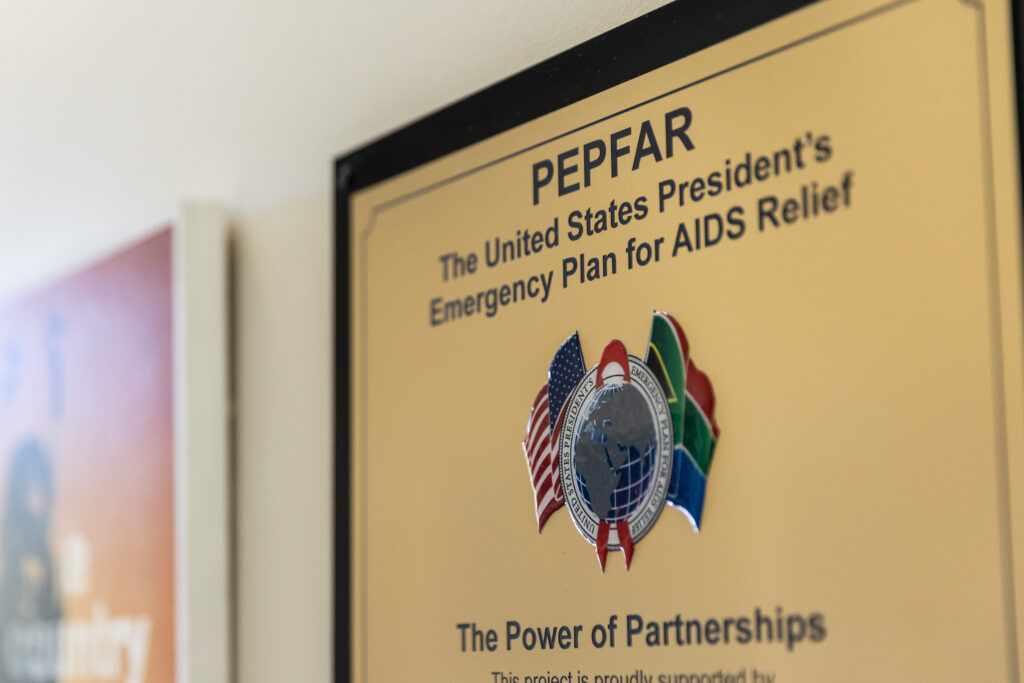
The Department of Health confirmed that funding for HIV and AIDS programmes through the United States President’s Emergency Plan for AIDS Relief, known as PEPFAR, would be wound down, with talks on the matter set to continue at the UN.
Coetzee said the common assumption that South Africa will run out of antiretrovirals once PEPFAR funding ends is incorrect, since the government already covers the bulk of the country’s ARV supply. The real risk, she explained, lies in the army of support workers who keep patients engaged in their treatment.
“There’s a common thing that without PEPFAR, we know we’re going to run out of ARVs. It’s not going to happen. The fact is that South Africa already funds the vast majority of its ARVs through the government process,” said Coetzee.
Funding The People, Not Just the Medicine
PEPFAR’s contribution has gone far beyond ARVs themselves, Coetzee said. Much of its funding has supported the workforce that keeps patients on treatment and prevents new infections.
She added that PEPFAR’s role has largely been to fund the people around the patient rather than the medicine itself, covering counsellors, community health workers and testing programmes.
“PEPFAR often funded the people and the programs around the patient rather than the medicine itself. And this now will include your HIV counsellors, your community health workers, your preps, your HIV testing, community-based organisations,” said Coetzee.
A Delayed but Serious Impact
Coetzee cautioned against viewing the cuts purely through a political lens, arguing the true cost would be measured in public health outcomes over time rather than in immediate headlines.
She said the fallout from reduced funding may not be immediate but could surface over the coming years through rising infection rates, urging that the debate be treated as a public health matter rather than a political one.
“The consequences may not be visible immediately, but they could become apparent over the next few years through increased HIV transmission. So the question nobody is asking is whether a government can continue supplying medications,” said Coetzee.
