Image Source: Daily Maverick
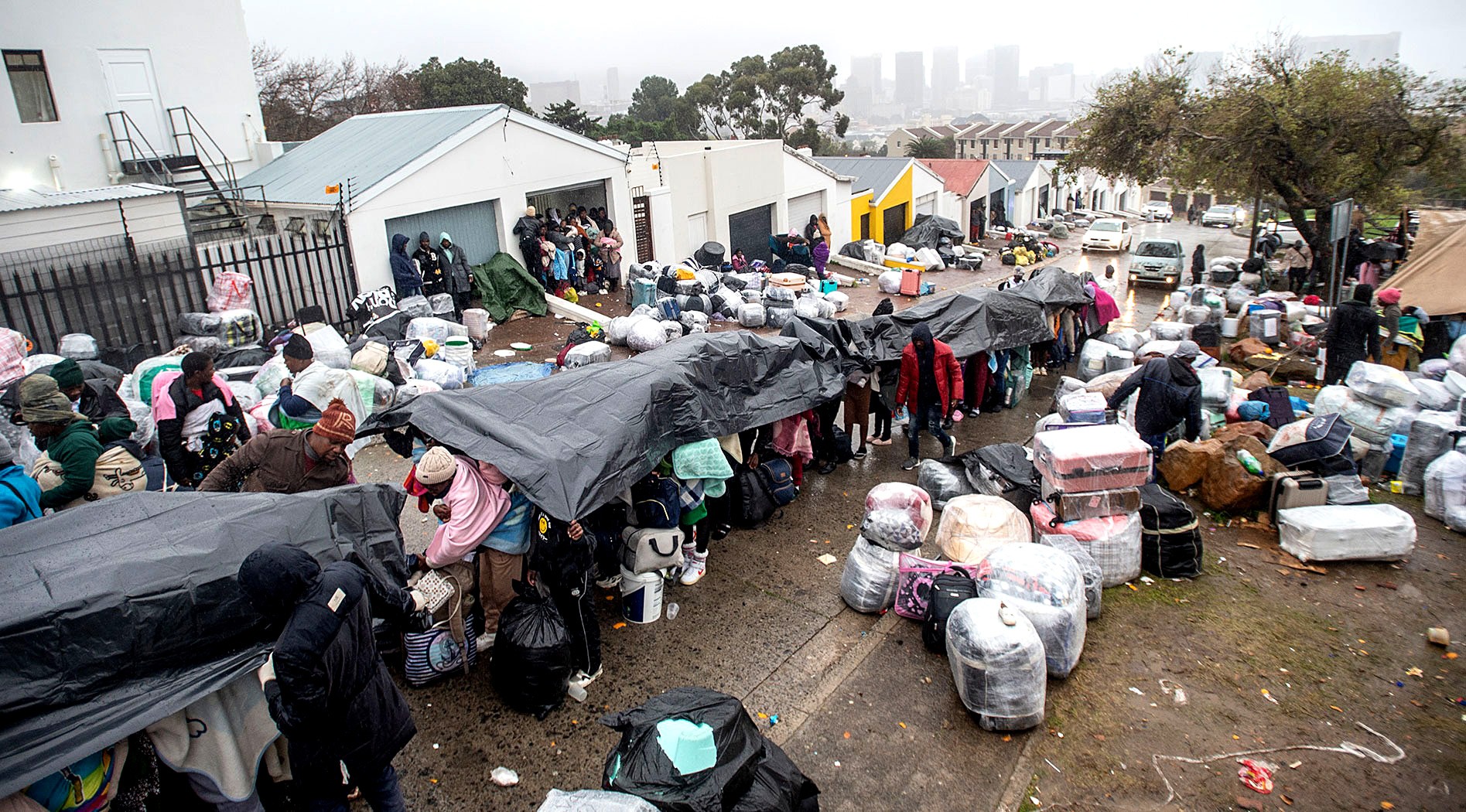
Local – South Africa has seen one of the largest movements of people in recent memory over the past few weeks. Government figures put the number of foreign nationals deported or voluntarily repatriated since mid-June at more than 53,000, driven by heightened anti-immigrant tension and a wave of enforcement operations.
Research Consultant at the African Centre for Migration and Health at Wits University and co-founder of Collective Voices for Health Access, Dr Rebecca Walker, said the language used does not match what is happening on the ground.
She argued that the word repatriation implies a choice most people are not being given, and that what is unfolding is closer to deportation carried out without due process.
“Repatriation implies people choosing or at least consenting to return home. And what we’re actually seeing is forced removal under the threat of violence, often without an individual assessment, whether that’s people’s documentation status or their health care status. So that’s deportation, but it’s deportation without following the formal legal process”
A Quieter Story Behind the Headlines
Aid organisations report that many of those being moved are put on buses without any check on their health first, leaving without medication and without medical records. Health experts warn that this turns a border crossing into a public health risk that follows people home.
Walker warned that people living with HIV, TB, diabetes and other chronic conditions are losing access to treatment, and that interrupting that care carries a danger far beyond the individual. She pointed to MSF findings on the consequences of pausing treatment mid-course.
“TB and HIV patients without medication are not only at increased transmission risk but also at risk of drug resistance as well. In addition to the fact that when you take medication, whether it’s ARVs or other medication, you often need to have eaten well, you need to be physically healthy in order to tolerate medication”
Not A Solution to the Root Causes
For Walker, the deportations do not touch the pressures so often blamed on migrants, from unemployment to an overstretched health system. Migration data, she said, has been consistent year after year and does not support the perception driving the current operations.
She believed the country would be no closer to closing its inequality gap or fixing its health services once the buses stopped running, because the causes of those problems remained unaddressed.
“One year on, we’re going to say how many thousands left South Africa. We’re not going to suddenly have the gap in inequality closed. We’re not going to have unemployment below 10%. We’re not going to have functioning health systems because we’re not dealing with the root causes”
