Image: IEC
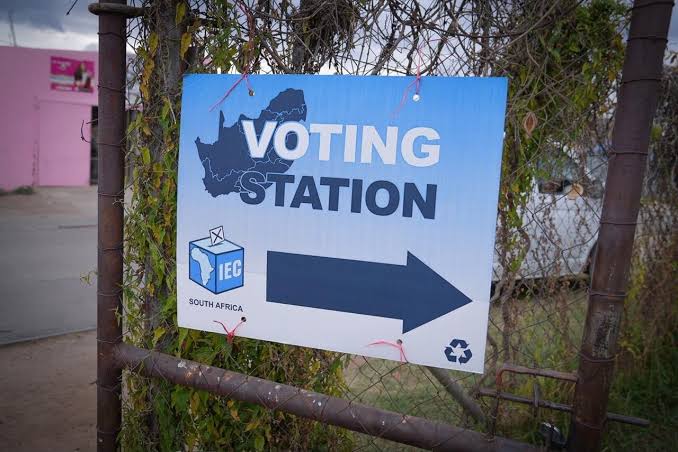
Local – The 2026 Local Government Elections have come and gone. Many voters shared photos of their marked thumbs on social media, proud to have exercised their democratic right.
However, many eligible South Africans did not vote. Many of them believe their vote would make no difference and that nothing in their communities will change, no matter how often those in government and other political parties promise otherwise.
“What does it matter?” “Nothing ever changes” and “They only come around when they want our votes” are things people of all ages and backgrounds often say.
This scepticism usually comes from experience. During campaigns, parties put up posters, hold rallies and promise better roads, reliable water, working streetlights and regular refuse collection.
Residents say that once the votes are counted, the visits stop and the problems stay. After several elections like this, some people see staying at home as a form of protest.
By 17h00 on election day, preliminary figures from the Electoral Commission of South Africa (IEC) showed that 12 million voters had cast their ballots, with Gauteng recording the highest number at 3 million, followed by KwaZulu-Natal at 2.5 million.
Why Every Vote Still Counts
Staying away does not change the outcome in the way many non-voters hope. Elections still take place, and people who do vote still elect councillors. Local government provides many of the services residents complain about, and in ward contests a small number of votes can decide who wins.
Encouraging people to vote is only part of the solution. Parties and councillors need to report back to communities regularly, not only when they are campaigning, and be honest about what they can deliver. Residents can also hold leaders to account between elections through ward committees, public meetings and their municipality’s integrated development plan process.
Voter education, particularly among young people, can help explain how local decisions are made and who is responsible. Voting does not guarantee change, but those who do not vote have no say in who makes those decisions.
Police Investigate Election-Related Cases
Voting day was not entirely free of trouble. The South African Police Service (SAPS) is investigating about 14 cases linked to the elections, including theft, intimidation and disputes over party posters.
National Police Commissioner Fannie Masemola spoke to the media on Wednesday after arriving at the Electoral Commission of South Africa (IEC) Results Operations Centre in Midrand.
“Since yesterday, most of the cases are related to the elections – either theft of ballot papers and intimidation, or fighting where there is intolerance among political party members,” Masemola said.
He said that, despite these cases, the elections had generally been peaceful. Police continued to provide security throughout the voting period while investigating the cases, and arrangements were in place to respond to incidents where necessary.
