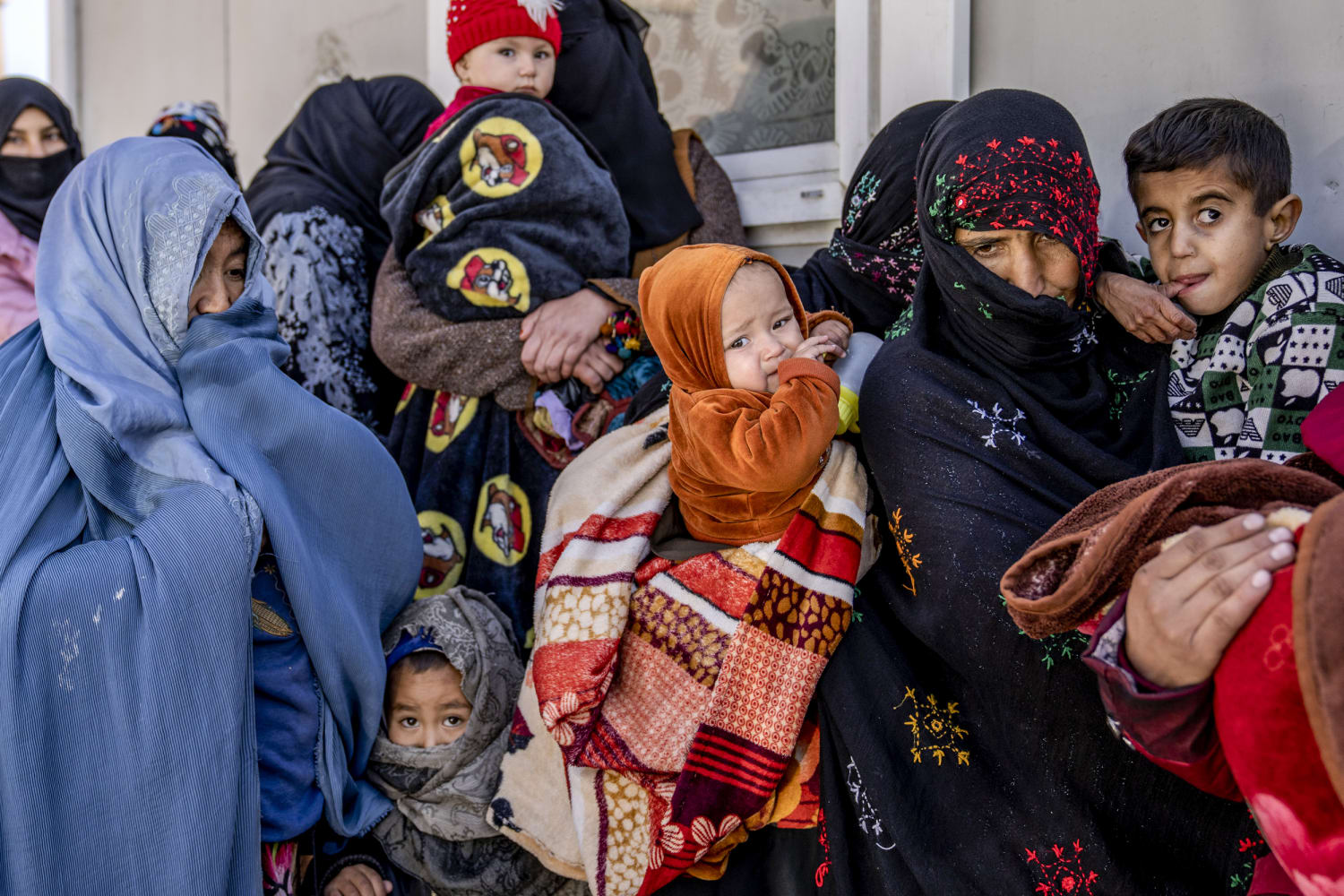
Image Source: NBC News
Local – Afghanistan-based writer and news producer at Tolo News, Sial Yousofi, said poverty and unemployment are among the reasons behind the malnutrition crisis affecting many people across Afghanistan, including children and women.
He said the country is facing one of the world’s worst humanitarian crises, with years of conflict, economic collapse and recurring drought leaving millions dependent on humanitarian assistance.
Aid agencies have warned that funding cuts are forcing nutrition clinics to scale back or shut their doors altogether, leaving thousands of severely malnourished children without lifesaving treatment.
Yousofi said the number of cases has risen compared to previous years, with UN agencies estimating that millions of children under five will need urgent treatment this year.
“According to some UN agencies, 3.5 million children under five are expected to suffer from acute malnutrition and require treatment in different provinces and areas of Afghanistan.”
Agencies Unable to Help Everyone
Organisations including the World Food Programme, UNICEF and UN Women have been assisting mothers and children in Afghanistan. Still, a shortage of funding has limited how many people they can reach.
The Tolo News producer said the situation has worsened due to US policy changes and restrictions preventing aid trucks from crossing into Afghanistan from Pakistan.
“There’s a big shortage of funds because they cannot help all the victims of malnutrition, which may be children or might be women.”
Government Security Allows Agencies to Operate
Despite reports of restrictions in certain areas, Yousofi maintained that the overall security situation across Afghanistan allows humanitarian agencies to reach people who need help. He said this holds across most of the country’s 34 provinces, even as some isolated cases of restricted access remain.
“There is security everywhere across Afghanistan in every province… and agencies can go there and help people.”
Around 14 million people across Afghanistan are facing severe food insecurity, which Yousofi described as the basic driver of malnutrition in the country.
According to him, the Taliban government has repeatedly called on international organisations for support and is working to build more hospitals for women and children, though a lack of coordination with global agencies continues to hamper the response.
