Image Source: Daily Maverick
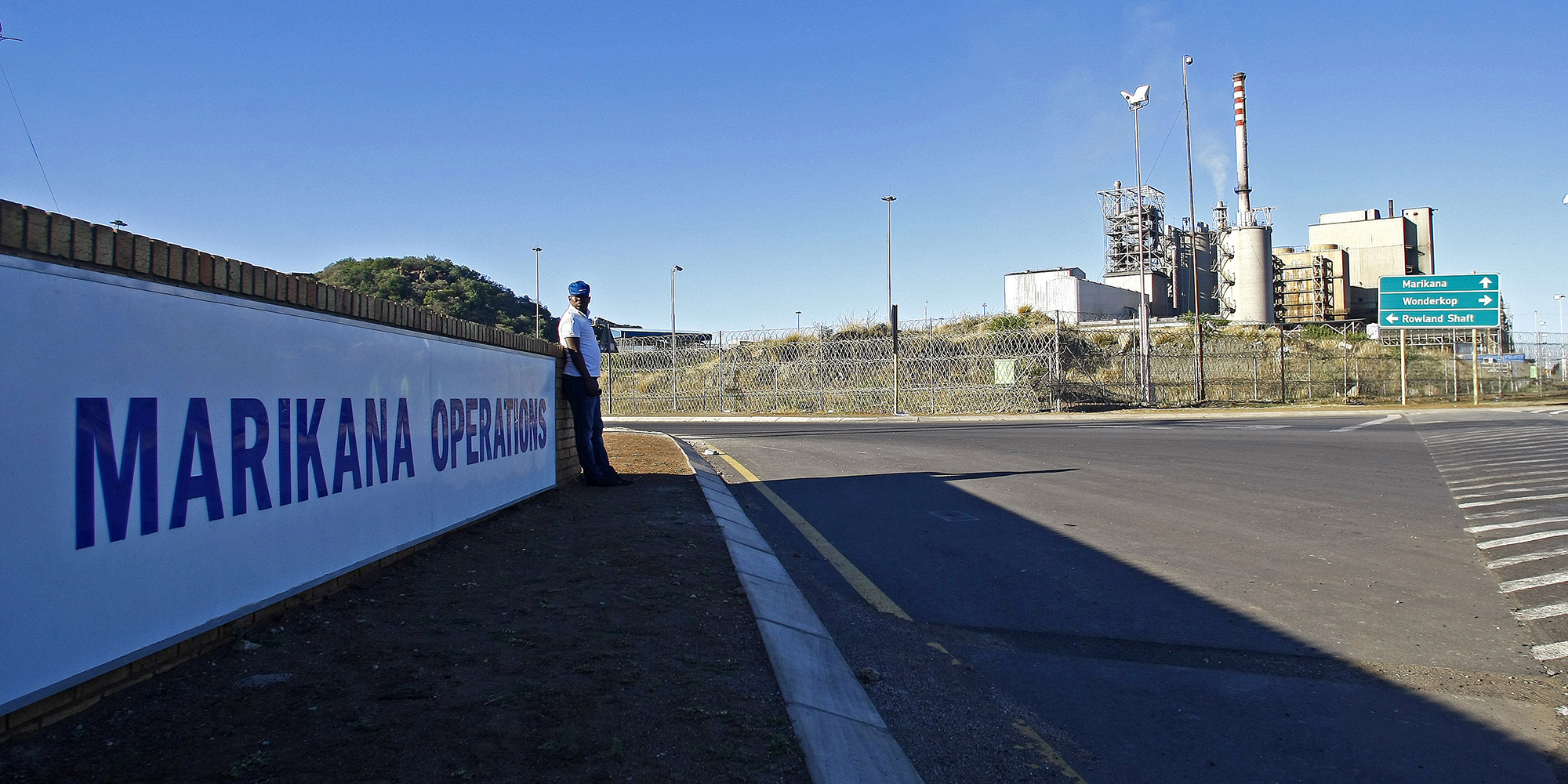
Local – Fourteen years after police killed 34 mineworkers during a wage strike at Lonmin’s Marikana mine in August 2012, the community left behind is still grappling with deep poverty and a sense of abandonment. Residents say promises made in the aftermath of the massacre have yet to translate into real change on the ground.
Mametlwe Sebei of the Workers and Socialist Party (WASP) said the tragedy still defines the town more than a decade later, citing unemployment, poverty, and informal settlements as the lasting markers of the community’s struggle.
“I mean it is absolutely horrendous that 14 years later Marikana continues to be defined by unacceptable levels of unemployment, poverty, but also you know shacks and informal settlements continue to be the marker of that area.”
Wages Up, But Jobs Down
Sebei noted that while wages for those still employed in the mines have improved dramatically since 2012, this has come alongside a wave of mine closures driven by oversupply in the global platinum market, leaving many former workers without jobs.
He said the growth visible in Marikana today is largely a result of increased spending power among the miners who remain employed, even as unemployment has risen around them.
“When you put the money in the hands of the working class, it does stimulate development around them, and all other people are able to have a livelihood. I mean, in 2012 Marikana was just one street, a shopping centre. Today it is a fully fleshed town.”
A Call for Shorter Hours, Shared Jobs
Sebei pointed to reduced working hours as a workable response to the crisis, arguing that redistributing labour more evenly could ease the burden on employed miners while creating opportunities for the many young people currently without work.
“We need to think about how we can reduce very long working hours in this country without a reduction of pay and by redistributing the jobs among those who are actually unemployed, and that is doable.”
Sebei also raised concerns about the growing “zama zama” phenomenon, linking it to the thousands of abandoned mines across South Africa and the state’s failure to recapitalise them, with organised syndicates stepping in to exploit desperate former miners who go underground in improperly closed shafts.
