Image: News24
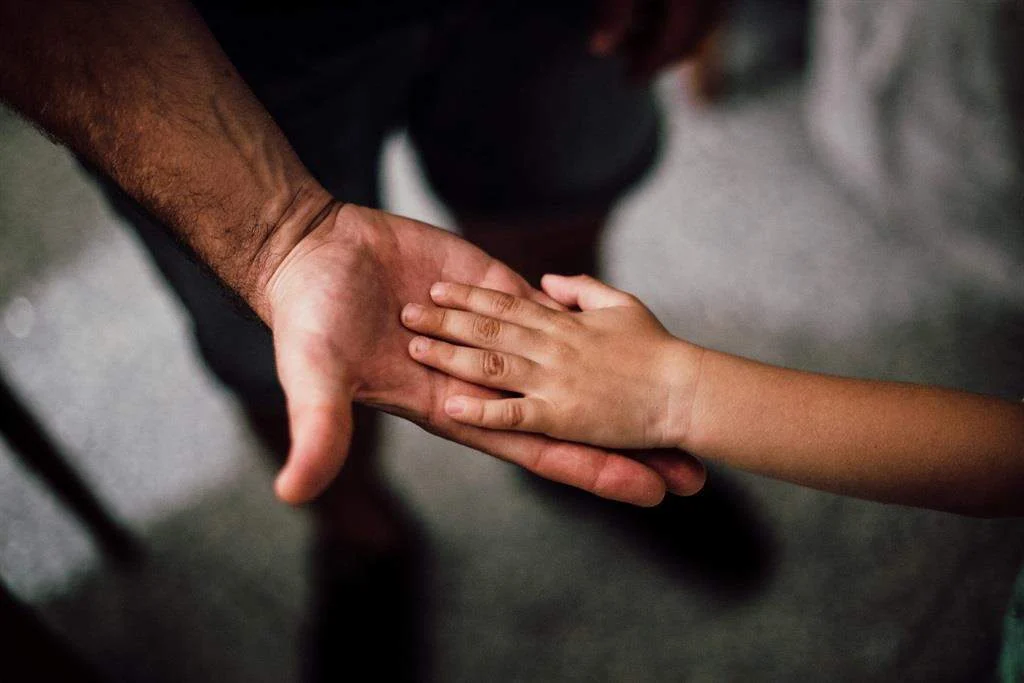
Local – Absent fathers and a shortage of male role models are among the most pressing threats to boys growing up in South Africa and one of the root causes of gender-based violence, femicide and crime, according to Pastor at Hope Restoration and Convenor of Men of Hope, Dr Khutjo Mabetwa.
Mabetwa said the scale of the problem was clear in the numbers, with close to 69% of black households having no father living in the home, followed by coloured households. Boys were also falling behind in education, he said, with the Minister of Basic Education indicating that only 44% of learners sitting matric exams this year were boys.
“All of us should be concerned purely because we have a serious challenge in South Africa that centres around the absent father, and men and young boys are growing up without role models.”
Mentorship and Dignity
While the crisis can feel overwhelming, practical interventions can make a difference, starting with mentorship for boys who grow up without a father figure. The next step is getting young men back into school or vocational training, giving them skills and a sense of purpose.
Mabetwa said this was Men of Hope’s approach, as skills gave young men a dignity handouts could not. Beyond training, he said men also needed safe spaces to be vulnerable with one another, pointing to a weekend camp the organisation recently held to address mental health.
“There’s a level of suicide in men, and that’s because men just bottle up things. They don’t seek help. They don’t go to someone and say, ‘I have a problem. I may have a mental issue. I’m stressed.’”
A Village Approach
Traditional systems such as communal child-rearing and initiation schools once filled the gap left by absent fathers, but many communities have since moved away from them. When a father was away working as a migrant labourer, uncles and other elders in the community stepped in to guide and discipline boys.
Mabetwa said a modernised version of these systems, run for two weeks during school holidays, could help restore that guidance, though young women should not be left behind. He warned that the current climate made the task harder, describing the slogan “men are trash” as the most unfortunate response to gender-based violence and femicide and saying it had set efforts back by 10 years or more.
“You’re not in any way qualifying your statement when you’re saying that men are trash. It’s a generic statement, and it affects every man. You are saying as you walk on the street and you see a man that man is trash.”
Rather than slogans, Mabetwa urged South Africans to tackle the root causes together, noting that of roughly 160,000 people in prison, about 125,000 were black Africans. He said it may be too late to see immediate results, but we could lay the foundations now for future generations.
