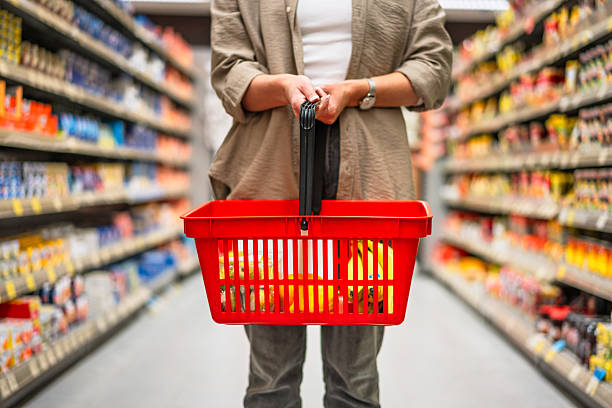
Consumers should prepare for the cost of groceries to rise after this week’s fuel price hike. This is according to Sibusiso Mboto, advocacy co-ordinator at Pietermaritzburg Economic Justice and Dignity Group (PMBEJDG).
Fuel prices soared past R30 per litre, driven by geopolitical tensions, a weaker Rand and collapsed domestic refining capacity. Petrol 93 went up by R3.12 per litre, Petrol 95 by R3.33 per litre and diesel by between R2.84 and R3.24 per litre.
Mboto said it was only a matter of time before the ripple effect reached supermarket shelves.
“They [farmers] will look at offsetting these costs, and they will cascade right up until they reach our retail outlets. You and I will be waiting more like lame ducks than anything else, because we can’t do anything. We’re just waiting to see high food prices again,” he said in an interview with Salaamedia.
The cost of groceries is already higher than it was at this time last year. According to the latest Household Affordability Index, compiled by PMBEJDG in September, a basket of 44 goods now costs R5,488.06 — a year-on-year increase of R108.64. This is also R409.42 more than the monthly minimum wage.
The uMkhonto weSizwe Party (MKP), the official opposition in Parliament, criticised the African National Congress-led (ANC) coalition government for failing to prevent the fuel price hike.
Sifiso Mahlangu, the party’s national spokesperson, said: “A caring government would have anticipated this crisis and acted long ago to shield its citizens. It would have preserved national refining capacity, maintained strategic energy security and ensured that international shocks did not pass unchecked into household budgets”.
“Instead, South Africa has been left more dependent on imported refined fuel, while Government has declined to reintroduce the temporary fuel-tax relief that previously reduced the General Fuel Levy by at least R3 per litre.”
Image via iStock.
