Image: City of Johannesburg
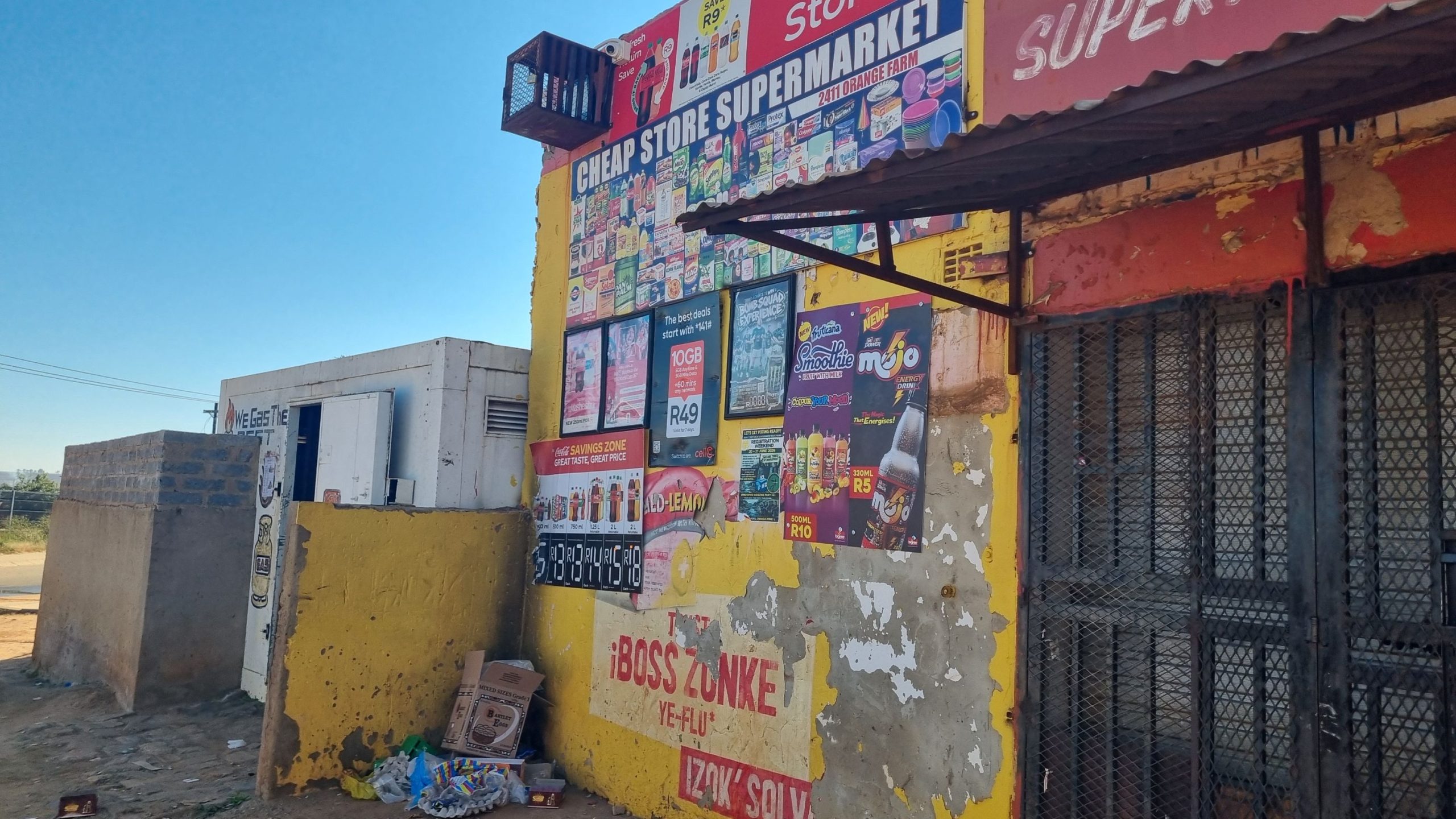
Local – South Africa’s township economy, estimated by the South African Revenue Service (SARS) at close to R1 trillion, continues to expand beyond the informal trade it is often associated with. Across the country, entrepreneurs are building businesses in manufacturing, agriculture, technology, transport, construction and professional services.
Yet, despite the scale of this economic activity, many remain excluded from the financial support, infrastructure and market opportunities available to businesses in the formal economy.
The 2026 Township Economy Awards, which has shortlisted more than 45 entrepreneurs across 14 categories from all nine provinces, has brought renewed attention to the businesses contributing to this largely overlooked sector.
An economy that has long been overlooked
The township economy has developed in communities never designed to function as independent economic centres. Apartheid spatial planning deliberately separated Black communities from major commercial districts and employment opportunities. Over time, residents established businesses to meet local needs, creating economic networks that have continued to grow despite limited institutional support.
Bulelani Balabala, founder of the Township Economy Awards, argues that the perception of townships as economically marginal has contributed to underinvestment in these markets.
He believes the economy has not necessarily operated beneath the radar. Rather, those with the resources and influence to support its development have overlooked its activity.
The growing presence of major retailers in township markets suggests that businesses are beginning to recognise their commercial significance. However, township consumers’ expectations have also changed. Residents increasingly demand the same quality of products, services and delivery standards available in established commercial centres.
For Balabala, the issue extends beyond where people live. Many township residents work in the same industries and businesses that serve the broader economy, yet return to communities that do not receive an equivalent level of investment.
The cost of entering the formal economy
The scale of township business activity does not necessarily translate into access to formal financial support. Research cited in the discussion suggests that nearly 80% of surveyed township businesses are unregistered, while fewer than 9% have access to bank loans.
Balabala attributes part of this disparity to the circumstances in which many entrepreneurs establish their businesses. An estimated 60% enter entrepreneurship out of necessity, often prioritising immediate income over the administrative requirements of formal registration.
Registering a business brings additional responsibilities, including accounting fees, annual returns and tax compliance. For entrepreneurs with limited resources, these costs can be hard to justify, particularly when formal registration does not guarantee access to larger markets or financial assistance.
He argues that the conversation around business registration should also consider whether sufficient commercial opportunities exist for these entrepreneurs. Without access to viable markets, formalising a business can become another financial obligation rather than a meaningful step towards growth.
The banking sector also has a role to play. Balabala questions whether financial institutions are willing to reassess their lending models to accommodate businesses that may not meet conventional funding requirements.
He believes financing should come with support that helps entrepreneurs understand financial compliance and prepare their businesses for future investment. This would allow institutions to extend their reach while helping smaller enterprises become more sustainable.
Recognising township entrepreneurship
The 2026 Township Economy Awards seek to bring greater visibility to businesses and entrepreneurs operating across South Africa’s nine provinces.
With more than 45 finalists shortlisted across 14 categories, the initiative aims to recognise entrepreneurial achievement while acknowledging individuals who have contributed to the development of township economies over the years.
The awards also seek to connect established businesses and potential investors with entrepreneurs who may otherwise struggle to attract attention beyond their immediate communities.
Balabala views the recognition as an opportunity for companies to identify township-based suppliers and reconsider where they direct their procurement spending. Greater visibility, in this sense, could translate into commercial relationships that extend beyond the awards themselves.
The initiative also acknowledges the contribution of individuals receiving Lifetime Achievement Awards, particularly those who have helped advance policy, business development and support for township enterprises.
What needs to change?
For township businesses to contribute more substantially to employment and economic growth, Balabala believes the government must focus on creating an environment in which commercial activity can develop.
This includes improving infrastructure, expanding access to markets and providing business development support. He argues that market access should be paired with practical assistance that helps entrepreneurs manage growth responsibly.
Financing requirements and administrative barriers also need attention. While infrastructure development may take years to complete, changes to market access and business support programmes could begin much sooner.
South Africa’s township economy already demonstrates considerable commercial activity. Its future contribution, however, will depend on whether the institutions that influence investment, procurement and economic policy are prepared to engage with it differently.
Recognising township businesses is an important starting point, but recognition alone can’t address the conditions that limit their growth. The longer-term test will be whether this attention translates into contracts, investment, and opportunities that let these enterprises participate more fully in the country’s economy.
