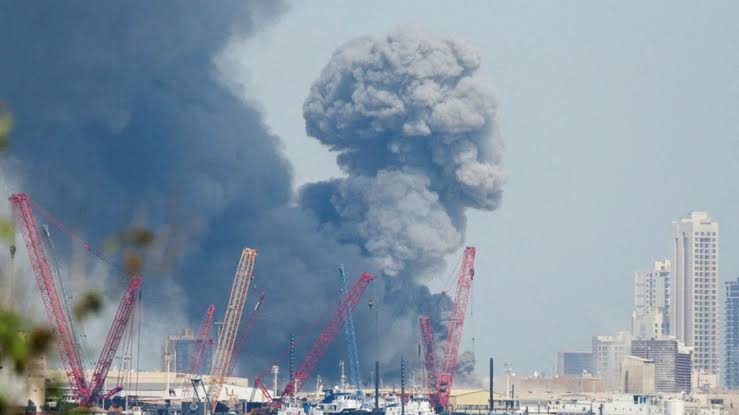
Image: Jerusalem Post
World – The escalating conflict in the Middle East has placed renewed pressure on diplomatic efforts, with attacks on US military installations, growing tensions around the Strait of Hormuz and continued fighting involving regional armed groups. Speaking from Osaka, Japan, international human rights and humanitarian lawyer Professor Saul Takahashi has warned that the conflict reflects deeper questions about American influence, Israeli military policy and the future of regional security.
A fragile relationship with Washington
Takahashi believes Iran’s recent military actions are partly intended to strengthen its negotiating position. Despite the economic pressure of American sanctions and the blockade, he argues Tehran retains significant leverage, particularly through its influence over the Strait of Hormuz.
However, the prospect of renewed negotiations remains complicated by a lack of trust.
Takahashi points to American attacks on Iran during previous negotiations as a reason Tehran is reluctant to rely on diplomatic assurances. He argues that Iran will require concrete security guarantees before agreeing to any lasting settlement.
He also believes that American political leadership has played a significant role in prolonging the conflict, with President Donald Trump’s unpredictable approach making diplomacy increasingly difficult.
Israel’s influence on American policy
Israel’s regional ambitions remain central to understanding the conflict. He argues that the Israeli government seeks greater regional dominance and has encouraged Washington to maintain military pressure on Iran.
Takahashi also questions the extent of Israeli influence over American foreign policy, particularly when successive administrations continue to provide military and political support despite widespread criticism of Israel’s actions in Gaza and Lebanon.
The influence of pro-Israel groups in Washington is not driven primarily by Jewish American voters. Instead, he identifies evangelical Christian groups, political donors and the military-industrial complex as significant forces behind continued American support for Israel.
He believes the financial interests of defence contractors and wealthy political donors can reinforce support for prolonged military engagements.
At the same time, he acknowledges that pro-Israel lobbying has not always succeeded in shaping American policy, pointing to the nuclear agreement reached with Iran under former president Barack Obama.
Gulf security under pressure
The conflict has also raised questions about the reliability of American military protection in the Gulf. Takahashi suggests that Gulf states, which have invested heavily in American security arrangements, are reconsidering whether hosting foreign military bases makes them safer or exposes them to further attacks.
The involvement of Yemen’s Ansar Allah movement, commonly known as the Houthis, has added another dimension to the crisis. While often described as an Iranian proxy, Takahashi argues that the movement has its own political objectives and national interests. Its actions reflect both solidarity with Iran and a broader struggle over foreign intervention in Yemen.
Diplomacy and the question of lasting peace
Despite continued diplomatic efforts, Takahashi remains sceptical that negotiations will produce a lasting agreement unless they address the underlying causes of the conflict. Any settlement must extend beyond Iran’s nuclear programme and the reopening of the Strait of Hormuz. It must also include an end to military aggression across the region and a meaningful resolution to the Palestinian question.
The future of Middle Eastern security cannot be separated from the rights and political aspirations of the people living there. Without addressing those issues, Takahashi warns, ceasefires may offer only temporary relief, leaving the region vulnerable to another cycle of violence.
