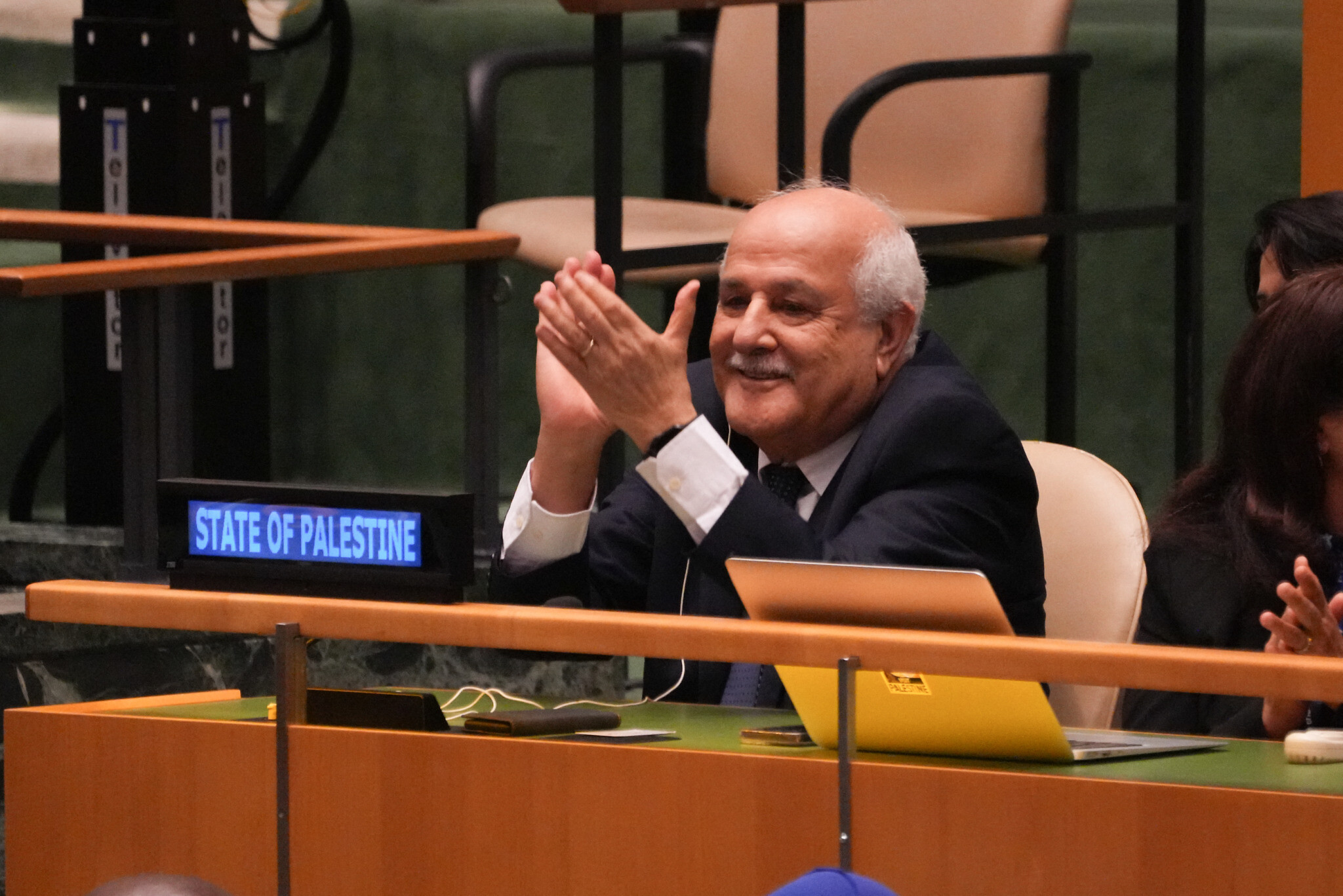
Image Source: The Times of Israel
South Africa – The recent UN General Assembly resolution, backed by 124 member states, represents a crucial step in addressing Israel’s illegal occupation of Palestine. This resolution calls on Israel to end its occupation within 12 months and urges world governments to implement comprehensive sanctions if Israel fails to comply.
Following the overwhelming support for the resolution, Palestinians and their global supporters have rallied behind it, seeing it as a growing consensus that signals an end to complicity in Israel’s occupation, crimes, and genocide.
Roshan Dadoo, an activist from the BDS Movement, praised the resolution as a vital advance in the Palestinian fight for justice, freedom, and self-determination. However, while this resolution marks a significant shift in international attitudes and legal obligations, it doesn’t immediately translate into tangible changes.
“We have to not celebrate the fact that there’s some kind of immediate action and understand that this is just one of the many fields of struggle—many ways in which we can try to strengthen and push forward for boycotts, divestments, and sanctions. But it’s an important one because governments are committing themselves, and they are changing their vote.”
Dadoo emphasised that it’s now up to citizens and activists in each supporting country to ensure their governments are held accountable for the commitments made at the UN. Citizens must leverage the resolution to demand concrete action by pressuring their leaders to impose sanctions, end military and trade relationships with Israel, and support broader efforts to isolate the apartheid regime.
“If you consider just over a year ago, the UN would not have even countenanced such a resolution. I think we can see it’s moving forward, and it’s also now a duty of the states to impose comprehensive military, trade, energy, academic, and all other sanctions. And that’s, as we always say, exactly what was done against apartheid South Africa. We know that was a very vital pillar of our struggle.”
“And I think, although no one wins freedom through the United Nations or through the courts, we have to see this as more ammunition in our field of battle in support of the Palestinian people’s resistance. Now it’s up to us to put pressure on our governments to implement this.”
According to Dadoo, the resolution is not just historic but also notable for its firm stance against Israel’s illegal occupation of Palestine. It represents the first time the General Assembly has formally recognised Israel’s human rights abuses and discrimination against Palestinians.
This acknowledgement reflects a growing global consciousness and condemnation of Israel’s systematic oppression and apartheid policies toward the Palestinian people. By officially acknowledging these violations, the resolution bolsters the legal and moral foundation for international action, encouraging governments and organisations to step up their support for Palestinian rights.
“It’s important from that perspective as well to show the world that we are not in favour of the continuing genocide, that we are ready to impose sanctions, and that we are ready to push our governments even further. I think we should see this UN General Assembly vote as one more step, an important one, and a weapon we can now use to push our government, for instance, on the sale of coal.”
