Iran is experiencing ongoing nationwide protests as authorities struggle to restore order and describe the unrest as influenced by foreign actors. The demonstrations, initially triggered by economic pressures, have grown to include more political grievances across multiple cities.
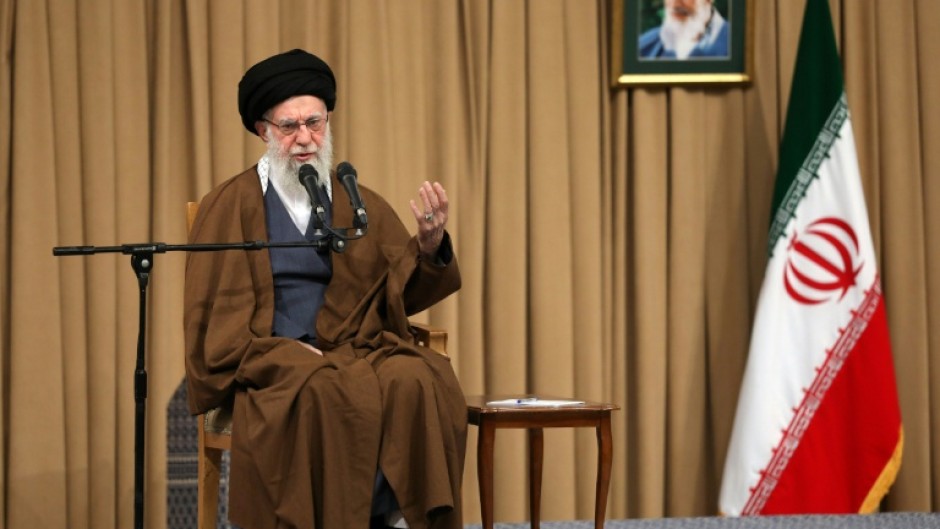
In an address, Supreme Leader Ayatollah Ali Khamenei called for unity and warned that security forces would firmly respond to havoc. He said that protesters were acting on behalf of foreign powers and damaging public property.
Khamenei criticised the demonstrators, saying they were “ruining their own streets to make the president of another country happy,” referring to former U.S. President Donald Trump, whom he claimed the protesters were acting on behalf of.
SMread: Maduro’s abduction: demonstrators condemn ‘US imperialism’
Casualties and Government response
Authorities report casualties among both protesters and members of the security forces since the unrest began in late December. Independent verification is limited because of the widespread internet restrictions, phone network disruptions, and flight cancellations.
President Masoud Pezeshkian has appealed for calm, emphasizing that genuine issues should be addressed. Other officials have stressed that security forces will not show leniency toward individuals involved in violent acts. State media have alleged that “foreign foes” are contributing to the unrest.
Protests triggered by economic challenges
The protests started with Tehran shopkeepers protesting economic hardship but have since then spread across the country. Activist videos show ongoing gatherings, bonfires, and anti-government slogans in Tehran and other cities despite the communication blackout.
The United States has warned Iran against using lethal force on protesters. Iranian authorities say they are responding both to what they consider foreign fueled unrest and to economic challenges affecting the country.
For more on this, watch the video below:
Image via eNCA.
