Image Source: Anadolu Ajansi
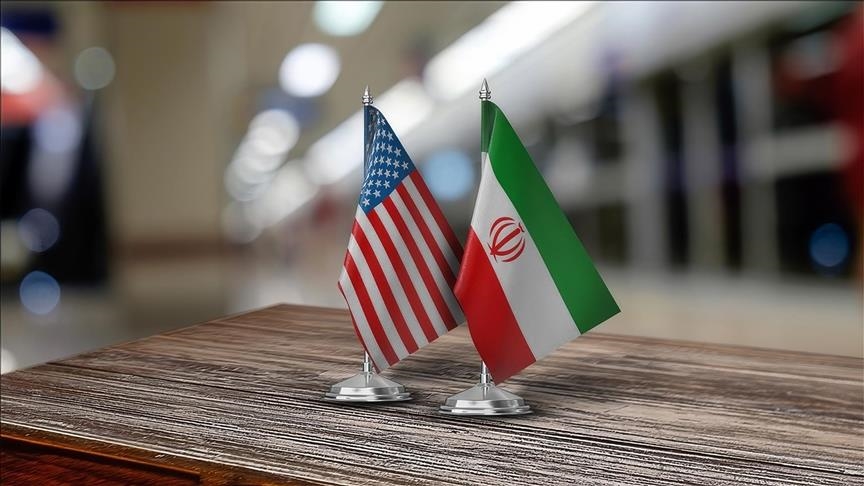
World – A two-week ceasefire between the United States and Iran came into effect following a dramatic overnight intervention by Pakistani Prime Minister Shehbaz Sharif and Field Marshal Asim Munir, who persuaded Washington to stand down a planned strike on Iranian territory and avert the devastating retaliation from Iran that would likely have followed.
The announcement came directly from US President Donald Trump on Truth Social, who had in recent days threatened devastating military force, and genocide against the Iranian people by threatening to wipe out a “whole civilisation”, against Iran and warned of consequences should the Strait of Hormuz remain blocked to international shipping.
Trump framed the suspension not as a retreat but as a position of strength, despite mounting pressure from the global community urging de-escalation, saying his military objectives had already been met.
“Based on conversations with Prime Minister Shehbaz Sharif and Field Marshal Asim Munir, of Pakistan, and wherein they requested that I hold off the destructive force being sent tonight to Iran,” Trump wrote, “I agree to suspend the bombing and attack of Iran for a period of two weeks. This will be a double-sided CEASEFIRE!”
Iran’s Response
Foreign Minister Seyed Abbas Araghchi issued a formal statement on behalf of Iran’s Supreme National Security Council, acknowledging the Pakistani mediation and confirming that Tehran had taken note of Washington’s acceptance of Iran’s 10-point proposal as a basis for negotiations, signalling that structured dialogue had already begun behind the scenes before the ceasefire was announced.
The statement tied Iran’s ceasefire commitment directly to a halt in US military operations, making clear that Tehran’s armed forces remained in a state of readiness and would only stand down if the attacks stopped.
“If attacks against Iran are halted, our Powerful Armed Forces will cease their defensive operations. For a period of two weeks, safe passage through the Strait of Hormuz will be possible via coordination with Iran’s Armed Forces and with due consideration of technical limitations,” Araghchi said.
According to reports, Iran’s 10-point plan, announced by state television, included a US guarantee not to repeat its aggression against Iran, acceptance of uranium enrichment, lifting of all primary and secondary sanctions, payment of compensation to Iran, withdrawal of US combat forces from the region, and a cessation of hostilities on all fronts, including against Lebanese resistance forces.
Iran Warns Ceasefire Is Not an End to the War
Despite the ceasefire announcement, Iran moved quickly to signal that it did not consider the conflict over, with its military remaining on full alert against both the United States and Israel. A follow-up statement from the Supreme National Security Council left Tehran’s position unambiguous.
The warning put Washington and Tel Aviv on notice that any action interpreted as a breach of the fragile pause would draw an immediate and forceful response, with the ceasefire resting on conditions that either party could rupture at any moment.
“It is emphasised that this does not signify the termination of the war,” the Council said. “Our hands remain upon the trigger, and should the slightest error be committed by the enemy, it shall be met with full force.”
