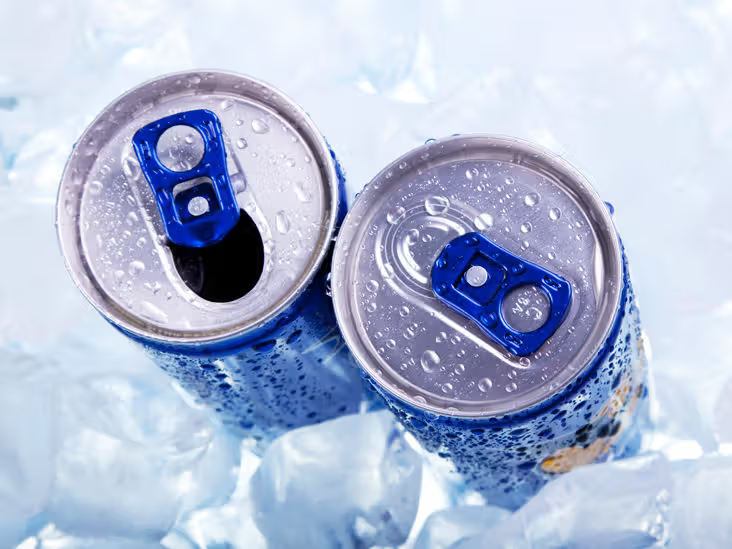
Parents often pay close attention to what their children eat, but what they drink can be just as important. From school tuck shops to weekend sporting events, energy drinks have become increasingly accessible to young people.
Marketed as a quick boost for performance, focus and stamina, these beverages may be doing far more harm than good.
Dietitian Jandri Barnad explained why energy drinks are raising alarm bells among healthcare professionals and why parents should pay closer attention to what is ending up in their children’s hands.
More than just sugar and caffeine
According to Barnad, energy drinks are not simply sugary beverages. “An energy drink is a beverage that contains high concentrations of sugar and caffeine. But not only that, it also contains other stimulants such as guarana, taurine and L-carnitine.”
These ingredients are often consumed in quantities that place significant strain on growing bodies and developing brains.
Furthermore, the American Academy of Pediatrics advises that children under the age of 12 should avoid caffeine entirely.
Teenagers between 12 and 18 years old should consume no more than 100mg of caffeine per day, roughly the amount found in a small cup of coffee.
Many popular energy drinks exceed this recommendation in a single serving. Some also contain between 50 and 60 grams of added sugar, surpassing the recommended daily intake and increasing the risk of obesity and Type 2 diabetes.
SMread: Energy drinks linked to serious side effects in children and teens, dietician warns
A growing trend among teenagers
Energy drinks have become increasingly popular among teenagers. Barnad noted that nearly one in three teenagers between the ages of 12 and 17 consume energy drinks regularly.
While many view them as harmless refreshments, health professionals are becoming increasingly concerned about the long-term impact this trend could have on young people’s wellbeing.
Children and teenagers are still developing physically, emotionally and neurologically. As a result, the effects of stimulants can be more pronounced.
Energy drinks can lead to immediate cardiovascular effects, disrupted sleep patterns and behavioural changes.
Many parents may notice symptoms such as anxiety, irritability or hyperactivity without realising that caffeine could be contributing to the problem. Sleep deprivation can also further worsen these symptoms.
The long-term consequences
The concerns are more than just temporary bursts of energy. Long-term consumption has been linked to increased risks of anxiety disorders, depression, cardiovascular disease and significant dental damage due to excessive sugar intake.
There is also growing concern about dependence. Regular consumers may experience withdrawal symptoms when they stop drinking energy drinks, including headaches, irritability and fatigue.
While caffeine may seem relatively harmless, Barnad stressed that dependence can develop over time, particularly when consumption begins at a young age.
Energy drinks and sports drinks are not the same
One of the most common misconceptions is that sports drinks and energy drinks serve the same purpose.
Barnad explained that sports drinks are designed to replace electrolytes such as sodium and potassium lost during prolonged physical activity. Energy drinks, on the other hand, are primarily designed to provide a stimulant effect through caffeine and other additives.
Sports drinks may have a place during endurance activities, but they are generally unnecessary for most children’s sporting events and practices.
For parents looking for healthier alternatives, Barnad recommends a simple homemade option consisting of one-third cup of 100% fruit juice, two-thirds cup of water and a small dash of salt. Freshly squeezed citrus fruits such as oranges and naartjies can provide both flavour and hydration.
SMread: From Palestine to pan-Africanism: is solidarity selective?
Adults are not immune to the risks
Adults are also vulnerable to the effects of excessive energy drink consumption. Many people rely on them to stay awake while studying, working long hours or driving long distances.
However, frequent use can lead to symptoms including insomnia, rapid heart rate, anxiety, dizziness, tremors, stomach discomfort and mood changes.
In severe cases, acute caffeine intoxication may require medical attention.
SMread: From apathy to action: your guide to the Nov. 4 elections
Understanding the link to addiction
Research has also identified concerning patterns among regular energy drink consumers. Barnad explained that studies suggest individuals who frequently consume energy drinks are more likely to engage in other risk-taking behaviours, including the use of tobacco, alcohol and illicit substances.
While this does not mean energy drinks directly cause substance abuse, it highlights the importance of monitoring behaviours that may develop into broader patterns of dependence.
SMread: A celebration of stories
What parents should watch for
Parents are encouraged to remain aware of both dietary habits and behavioural changes. Mood swings, sleep disturbances, anxiety, difficulty concentrating and sudden changes in behaviour may all warrant closer attention.
Barnad advises parents to monitor what their children are eating and drinking, while also addressing factors such as poor sleep habits and excessive screen time.
Limiting screen exposure at least two hours before bedtime can improve sleep quality and reduce the perceived need for stimulants.
She also recommends checking for nutritional deficiencies such as low iron, vitamin B12 or vitamin D levels, as these can contribute to fatigue and increased reliance on caffeine.
SMread: Libertas investors demand answers
Healthier alternatives for lasting energy
Rather than reaching for an energy drink, families can explore healthier options that support hydration and sustained energy.
These include fruit-infused water, unsweetened coconut water, homemade fruit and yoghurt smoothies, and naturally hydrating foods such as watermelon, cucumber, strawberries and citrus fruits.
Caffeine-free herbal teas such as rooibos, chamomile and honeybush can also provide a comforting alternative, particularly during late-night study sessions.
Creating healthier habits early
Energy drinks are often marketed as harmless performance enhancers, but the reality is far more complex. For children and teenagers whose bodies and brains are still developing, the risks can outweigh the perceived benefits.
“If you do have concerns, consult a health practitioner or GP whom your child can talk to. It can be a routine check-up for the whole family to avoid singling out the child,” Barnad advised.
By encouraging healthier hydration habits, prioritising good sleep and remaining aware of behavioural changes, parents can help their children build a healthier relationship with energy and wellbeing that lasts far beyond childhood.
This for tomorrow:
Image via Healthline.
