Image Source: Open Canada
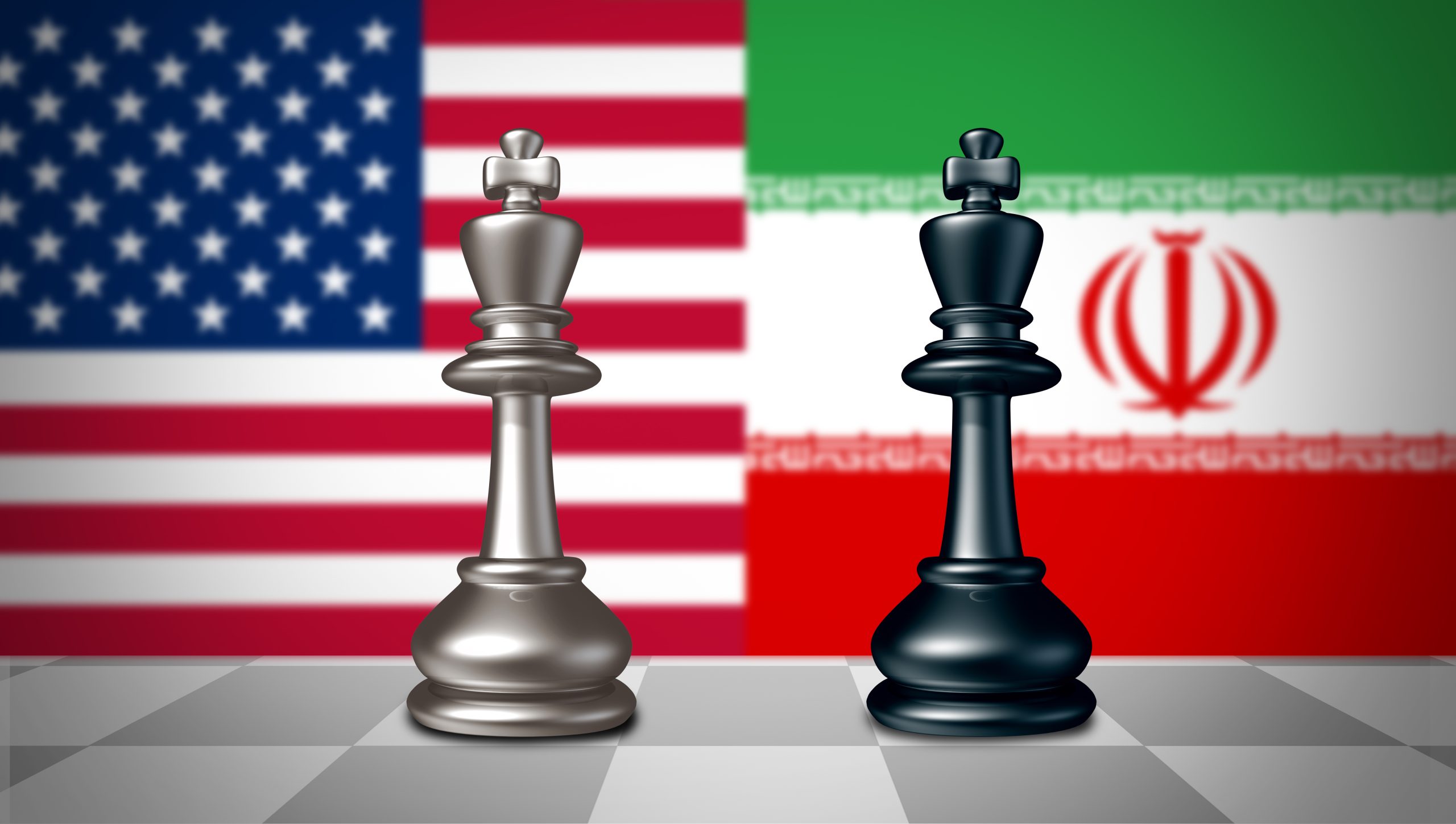
World – After multiple failed military attempts at regime change, the United States is now targeting Iran economically. Washington has widened its pressure campaign beyond direct sanctions on Iranian individuals, companies, and the state itself, introducing secondary sanctions targeting any country or business that continues to trade with Tehran.
The US has already named several individuals, entities and vessels linked to Iran and is warning nations to cut financial and commercial ties or risk facing American penalties themselves. Political analyst and economist Dr Dale McKinley said the approach works much like being punished for helping someone else commit a crime.
“Imagine that, for example, you have helped somebody steal something or commit a crime. The police, they’ll go after the person who actually did the crime. Still, if they find out that you have helped or, let’s say, harboured somebody or given them money, then you could be prosecuted as well, even though you’re not directly responsible for what happened.”
Failed Strategy Hits home
McKinley said the shift to economic pressure follows the collapse of Washington’s original war aims, from overthrowing the Iranian government to halting its nuclear programme and cutting off support for regional proxies. None of those goals were achieved, pushing the US toward this economic route instead.
He warned that the tightening measures would be felt hardest by ordinary Iranians rather than the country’s ruling elite, with the currency already collapsing and prices climbing sharply.
“This country has gone through a whole range of things in the last few months… It’s not really going to affect the elites; it’s not going to affect those that are in power. It’s going to affect mostly ordinary people, as always the case with things like this.”
Beijing’s Oil Lifeline to Tehran
McKinley said any serious enforcement of secondary sanctions would run up against China, by far the largest buyer of Iranian crude. Unlike smaller or more dependent economies, he said Beijing is not a country Washington can pressure into compliance, since it has the industrial and financial weight to respond in kind.
“China is the biggest importer of Iranian oil by far. I think China took almost 70% of Iran’s oil exports. So that’s the big thing with China. If the United States targets China and says, well, if you continue to receive Iranian oil, we’re going to now put these sanctions onto you, well, they’re going to risk starting a trade war.”
He added that South Africa’s direct economic exposure to Iran remains limited, with MTN having already wound down what was once one of the country’s largest investments there.
Pretoria’s political alignment, however, could still draw Washington’s attention given Donald Trump’s volatile approach to nations he perceives as sympathetic to Iran, leaving South Africa with little room to manoeuvre given the constraints of its own economy.
