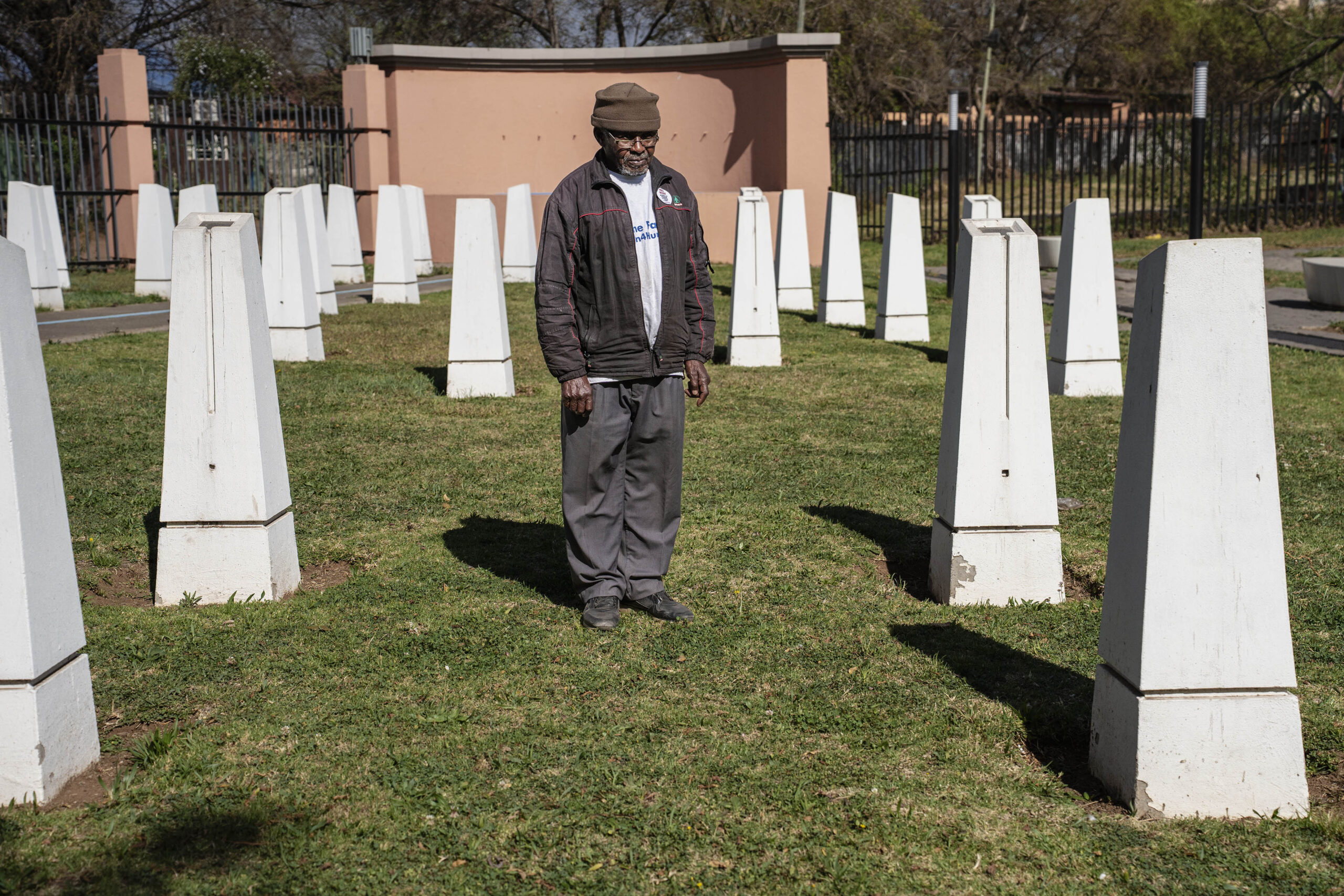
Image Source: GroundUp
Local – Lawyers for Human Rights is challenging the constitutionality of the Indemnity Act that shielded the apartheid state from claims brought by survivors and families of victims of the Sharpeville massacre.
The organisation has lodged papers in the High Court on behalf of a class action seeking to have the 1961 law declared unconstitutional and invalid, 66 years after police opened fire on protesters in Sharpeville, killing 91 people and wounding 238 others.
Legal counsellor at Lawyers for Human Rights, Melissa Muyambo, said the survivors and families did not wait decades to pursue justice. Hundreds of compensation claims were instituted shortly after the massacre, but the apartheid government moved quickly to block them.
“So we are challenging the constitutionality of the Indemnity Act that was brought into effect the following year after the massacre. In broad terms, this Act prevented civil and criminal proceedings against the state and its officials,” Muyambo said.
Why the Indemnity Act is Being Challenged
The Act barred civil and criminal proceedings against the state and its officials for conduct during the massacre, and required that all existing claims lapse or be rendered void. Muyambo said this is fundamentally incompatible with the constitutional right of access to courts.
She said the case is about far more than financial redress, pointing to the lasting harm inflicted on families who lost breadwinners and children who grew up in poverty.
“So for the people that we’ve worked for, this case is much more than compensation. The harm caused at Sharpeville did not end on the 21st of March. People survived with serious physical injuries, and families lost parents and breadwinners,” Muyambo said.
Who the Class Action Represents
The court has been asked to certify two classes: survivors who were shot and lived, and dependents of those who were killed. Three representatives currently stand before the court, one survivor and two people who lost their fathers in the massacre.
“So we are asking the court to certify two defined classes. The first comprises the survivors of the Sharpeville massacre, the people who were shot and survived. The second comprises the surviving dependents of the people who were shot and killed,” Muyambo said.
Muyambo said a successful outcome would affirm that the passage of time does not diminish the state’s obligation to address injustices it created, particularly where it actively obstructed victims from seeking redress.
