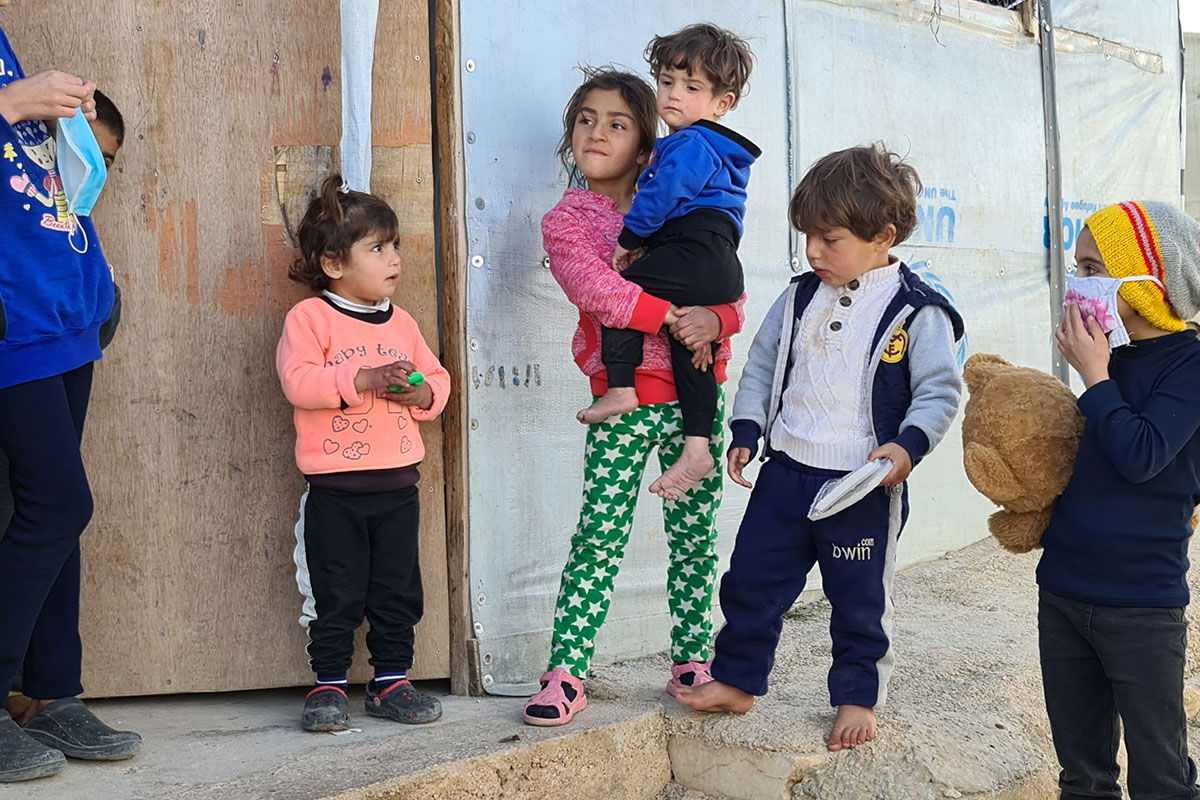
Image Source: AMA
Cape Town – The Africa Muslim Agency (AMA) has been instrumental in providing humanitarian aid through its Orphan Hope initiative. This program focuses on supporting orphaned children, women and families, particularly in regions plagued by conflict and extreme poverty, such as Afghanistan.
In an interview with Salaamedia, AMA Cape Town Manager Idrissa Ebrahim highlighted the urgent and widespread hunger crisis that is currently affecting a significant portion of Afghanistan’s population. During a recent visit, AMA teams on the ground witnessed firsthand the poverty and severity of food insecurity, with visible hunger evident in the streets and among the people.
“If one looks statistically at the poverty lines across the world, Afghanistan ranges in a poverty line of about 90 to 95% of the population living beneath the basic food right that people have an entitlement to. So, the hunger crisis is something that I would just emphasise. People are really, really hungry in Afghanistan.”
SMread| BREAKING: Gwamanda resigns as Johannesburg mayor
The Importance of Donors to Sustain the Orphan Hope Initiatives
The AMA’s approach involves direct, hands-on assistance. The organisation’s teams travel extensively through the country and navigate challenging terrains to ensure aid reaches the most vulnerable communities and those in greatest need.
The Orphan Hope Initiative offers comprehensive support, including food, clothing, shelter, basic healthcare, and other essentials. For orphans, women, and families, this support is not just aid, it’s a life-changing opportunity for a better future.
Ebrahim explained that annual sponsorships from donors are crucial in providing stability and hope to Afghanistan’s impoverished children and families.
“Right now, the actual cost per annum is R15,000. But it includes so much more than that. It is a gift to those families who will receive it, and that is an annual sponsorship. I always call upon the donor to renew it and renew it and renew it because, as the family grows, their needs grow.”
“This is something that we must remember. Sometimes, it’s good to do a one-off if you have it. But there is always the commitment to the widow and her orphan children because who else can she turn to?”
