Image Source: The Daily Evergreen
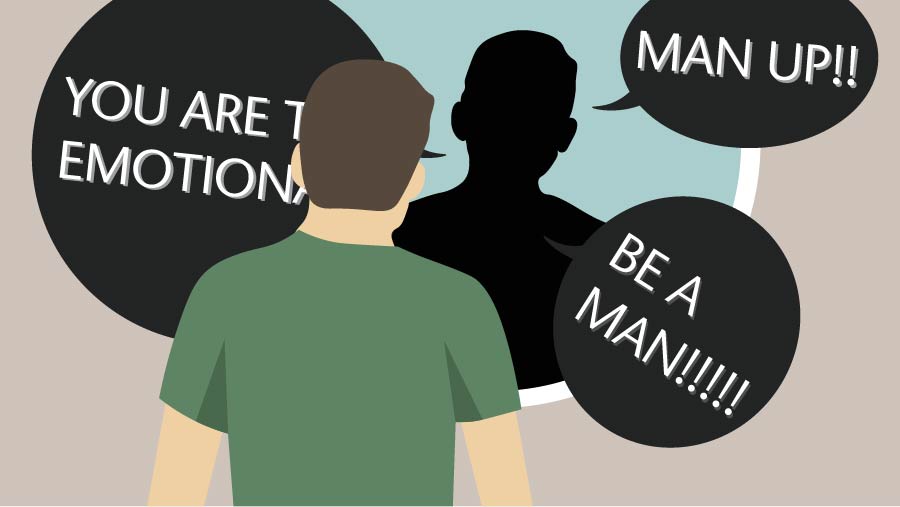
South Africa – Men’s mental health is a critical issue that often doesn’t get the attention it deserves. Society’s expectation for men to be strong, unemotional, and self-reliant makes it challenging to open up and seek help when needed.
This pressure to appear in control can leave men feeling isolated and unsure of where to turn, causing many to delay addressing their struggles until it’s too late. When emotional pain is left untreated, it often leads to harmful coping mechanisms like substance abuse, self-harm, and, in the worst cases, suicide.
In South Africa, the problem is especially alarming. Dr Ebrahim Sader, a mental health professional, noted that the male suicide rate in the country is three times higher than that of women, placing South Africa among the highest in the world.
This grim statistic shows how urgent it is to break down the stigma around men’s mental health and encourage men to reach out for support before reaching a crisis point.
“Across the globe, among the many races, ethnicities, and income brackets, males often avoid getting help for their psychological issues. A man is seen as someone who is supposed to be strong, supposed to be macho, and supposed to be the leader of the home, which is correct in many senses. But at the same time, he has been given emotions, intellect, a heart, and a brain.”
SMread| Leila Khaled Endorses Sandton Drive Renaming
Breaking the Silence on Men’s Mental Health
A big part of this crisis comes from the way society teaches men to see vulnerability as weakness, making them feel like they have to keep their emotions locked away instead of asking for help. This creates a culture of silence, where mental health challenges are brushed aside or ignored.
In many cases, men turn to things like alcohol or drugs to numb their pain, avoid dealing with deeper problems, and temporarily escape stress, anxiety, or depression. Unfortunately, relying on substances often makes things worse, trapping men in a cycle where unresolved emotional struggles drive further addiction.
This spiral doesn’t just leave men feeling more isolated and hopeless—it also damages relationships and cuts them off from meaningful support. If these struggles go unchecked, they can snowball, leading to chronic mental health issues, reckless behaviour, or even suicide.
Dr Sader emphasises that breaking this cycle requires dismantling harmful stereotypes and encouraging open conversations about mental well-being. He advocates for creating spaces where men feel comfortable seeking help and ensuring they have access to supportive networks and professional care without fear of judgment, shame, or misunderstanding.
“I want to let all the men listening out there know that it’s okay to not be okay. It’s okay to seek help, and please do seek help. Don’t wait to bottle it up until it’s too late. I would rather listen to your story than attend your funeral.”
