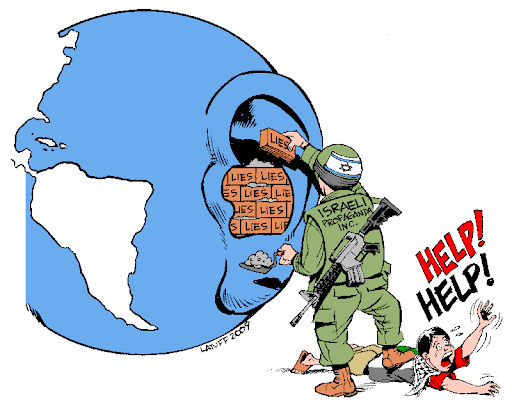
Once again, media proves to be a powerful tool in whitewashing war crimes and advancing foreign agendas, while the lived realities of people on the ground are pushed aside.
While Gaza remains under siege, another quiet war continues. It is not one of missiles or blockades, but of narratives. In a powerful public conversation, Islamic scholar Zaynab Ansari broke down the deeper story behind headlines about Lebanon, Syria, Iran, and Yemen. She offered a rare and grounded perspective rooted in firsthand experience, drawing a clear connection between global propaganda and decades of human suffering in Muslim-majority nations.
SMread: Electricity Tariff Hike Hits Consumers From Today
Personal Encounters Reveal a Hidden Reality
Zaynab Ansari is not speaking from afar. She has lived in Iran, Syria, and Lebanon. What she found there contradicted every common stereotype. “I’m forever grateful that I had the opportunity to spend years in the Middle East… to enjoy the very warm hospitality I found in every single case,” she shared.
This warmth is rarely shown. These countries are often painted as unstable, unsafe and anti-progress. Ansari pushed back. “The government and corporate media have been working hand in glove for decades to normalize the demonization of these countries,” she explained.
The result is a global audience conditioned to accept military intervention as a necessary act. Behind that acceptance lie thousands of destroyed homes, grieving families and children growing up under drone-filled skies. Ansari stated, “These campaigns have almost always targeted Muslim countries… under the guise of fighting terrorism.”
SMread: Violence Escalates in Togo as Anti-Government Protests Turn Deadly
Betrayal Within and the Power of Division
The complicity is not just international. Ansari highlighted the role of Gulf Arab states that pose as protectors of Palestine while aligning themselves with Western and Zionist interests. “They have actively collaborated with Western agendas, betraying Palestinian solidarity and exacerbating sectarian divides,” she said.
Sectarianism has become a powerful weapon. Muslim communities have been encouraged to fight each other while remaining blind to the real oppressors. “When those bombs are falling, they don’t discriminate if someone is Sunni or Shia,” Ansari reminded. The obsession with difference has only weakened the collective voice of the ummah.
She made it clear that healing will not come through debate or diplomacy alone. It begins with rejecting the narratives that divide and seeking truth from those who live the realities we misunderstand.
SMread: Doubts Cast on Rwanda-DRC Peace Deal
A Revolution Remembered and a Future to Reclaim
Zaynab Ansari brought focus to the 1979 Islamic Revolution in Iran, a moment that still unsettles global powers. “This campaign to demonize someone like Imam Khomeini is not because of anything that he actually did. It is because he had the temerity to stand up to the West,” she said.
The revolution represented something greater than politics. It was a declaration of dignity. It was a challenge to Western hegemony. Its legacy continues to inspire those who seek a world rooted in justice, not dominance.
Ansari rejected the idea that Western nations could claim the moral high ground while directly funding destruction. “I can no longer accept that the United States of America is going to go around the world lecturing about human rights and freedom… while at the same time literally funding a genocide,” she said.
Human rights activist, El-Hajj Mauri Saalakhan, added that truth itself has become a casualty in modern conflict. “The first casualty of war is truth. And that’s what today’s broadcast is all about. It’s about breaking through these barriers of falsehood to get to the truth.” He reminded the audience that countries like Lebanon, Syria, Iran, and Yemen have been deliberately demonised to justify expansionist agendas, and that the victims of war are not just Palestinians, but entire nations.
SMread: DA Lays Criminal Charges Against Minister Nkabane
A Call for Unity Beyond Narratives
This was not a talk about foreign affairs. It was a reminder that Muslims need to reclaim their voice, history and shared purpose. Zaynab Ansari asked difficult questions about complicity, silence and what it means to revive the dignity of the ummah.
Propaganda is powerful, but it can be undone by truth. And truth, in her words, begins when we stop repeating what we have been taught and start listening to those who lived what we ignore.
For hear more of this conversation, find the video below:
Image: Canyon Hills Chronicle
