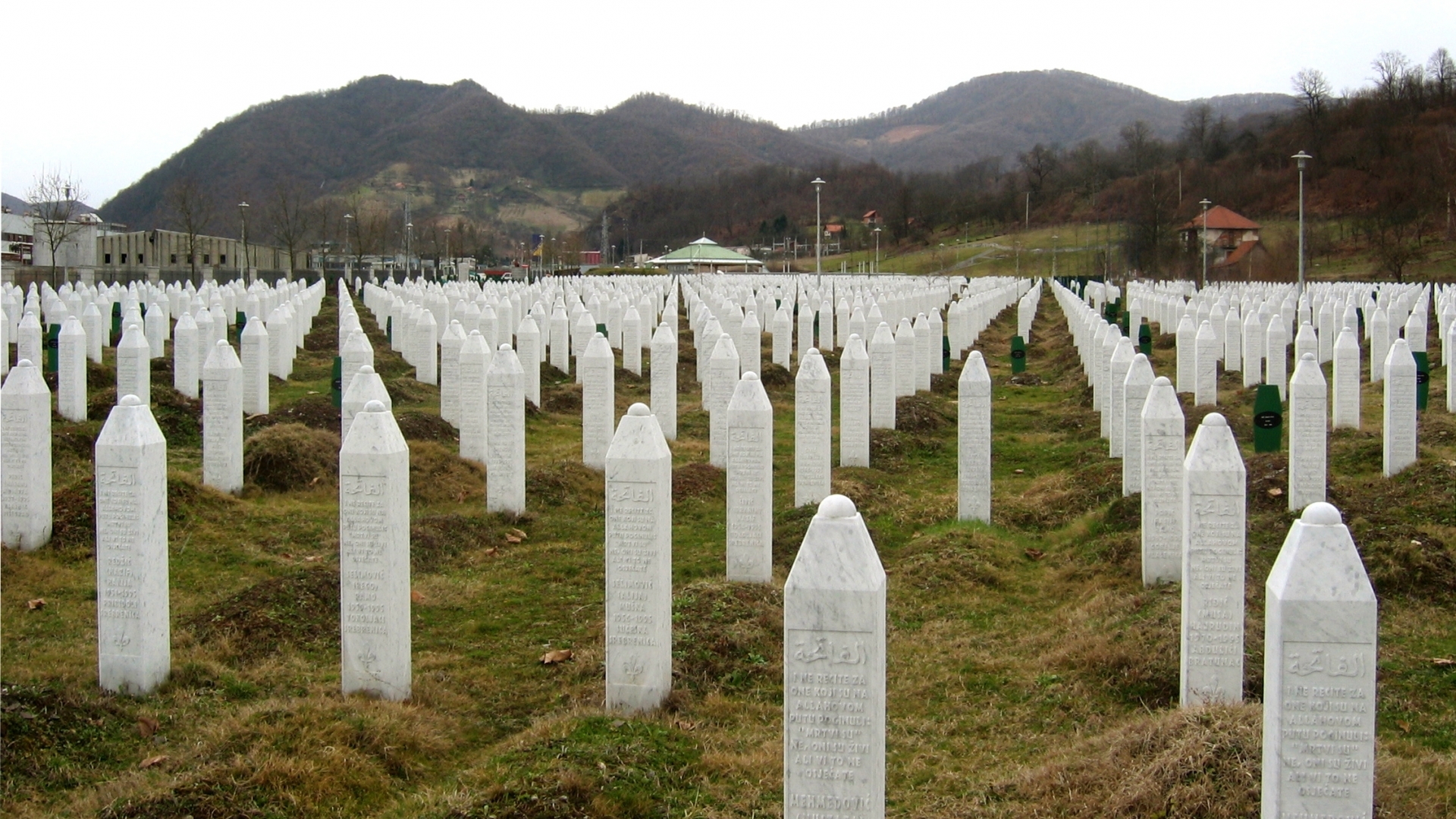
Thirty years on, Bosnia and Herzegovina is solemnly marking the anniversary of the Srebrenica massacre, the single worst atrocity in Europe since the Second World War. In July 1995, during the Bosnian War, forces of the Bosnian Serb army overran the United Nations-designated “safe area” of Srebrenica. In the days that followed, more than 8 000 Bosniak (Bosnian Muslim) men and boys were systematically executed.
The international community, including various European liberal and democratic parties, has joined in honouring the victims. They have called for the tragic events to serve not just as a symbolic remembrance but as a “call to action” against the unchecked nationalism and revisionism that enabled the atrocity.
The massacre, which the International Court of Justice (ICJ) and the International Criminal Tribunal for the former Yugoslavia (ICTY) have officially recognised as an act of genocide, remains a deep wound in the nation’s fabric.
Commemorations this year include the burial of seven recently identified victims at the Potočari Memorial Centre, a cemetery adjacent to the former UN base where thousands of victims are now interred. For many families, the burials offer a painful, partial closure, as often only a few bone fragments have been recovered. The perpetrators attempted to hide their crimes by exhuming the initial mass graves and reburying the remains in multiple secondary sites, a process that dismembered the bodies and has complicated identification efforts for decades.
SMread: A Closer Look at Pakistan’s Covert Ties with Israel
A Legacy of Division and Denial
The Dayton Peace Agreement, signed just months after the massacre, ended the war but formalised ethnic divisions by splitting the country into two main entities: the Federation, predominantly Bosniak and Croat, and the Republika Srpska, which is majority-Serb.
Today, these divisions are starkly visible. While Sarajevo holds solemn memorials, political leaders in Republika Srpska continue to downplay or outright deny that a genocide occurred in Srebrenica, despite convictions of high-ranking Bosnian Serb leaders like Ratko Mladić and Radovan Karadžić by international tribunals.
This denialism fuels a tense political climate that survivors and their descendants find deeply unsettling. Mirela Osmanović, who was born two years after her brothers were murdered and now works at the Memorial Centre, expressed deep concern over the recent rise in ethnic tensions, stating, “My parents say it looks the way it looked in 1992.”
This sentiment is echoed by international observers who warn that the rhetoric and actions of some political leaders, such as Republika Srpska’s president Milorad Dodik, are dangerously reminiscent of the 1990s.
SMread: Assam Evictions Raise Human Rights Concerns
The Enduring Search for the Missing
For the families of the victims, the anniversary is a raw reminder of their loss and the ongoing struggle for truth. About 1 000 victims remain missing. The painstaking work of identifying remains through DNA analysis continues, allowing families to finally lay their loved ones to rest.
Mevlida Omerovic, whose husband Hasib was killed, will bury his jawbone this year. “Thirty years on, I have nothing to wait for anymore,” she said. “It’s better to have them buried, even if it’s just two bones, and to be able to visit his grave with the children.”
In a poignant act of remembrance and defiance against the erasure of memory, many survivors in the region are naming their newborn children after relatives killed in the genocide. Ahmed Hrustanovic, an imam in Srebrenica, named his son after his father, Rifet. He sees it as a continuation of their struggle, ensuring that “the genocide must not and will never be forgotten.”
This practice ensures that the names, and the stories behind them, live on, carrying the weight of history and the hope that such atrocities are never repeated. The memory of Srebrenica thus becomes both a heavy burden and a profound lesson for future generations.
Image credit: AEGIS Trust
