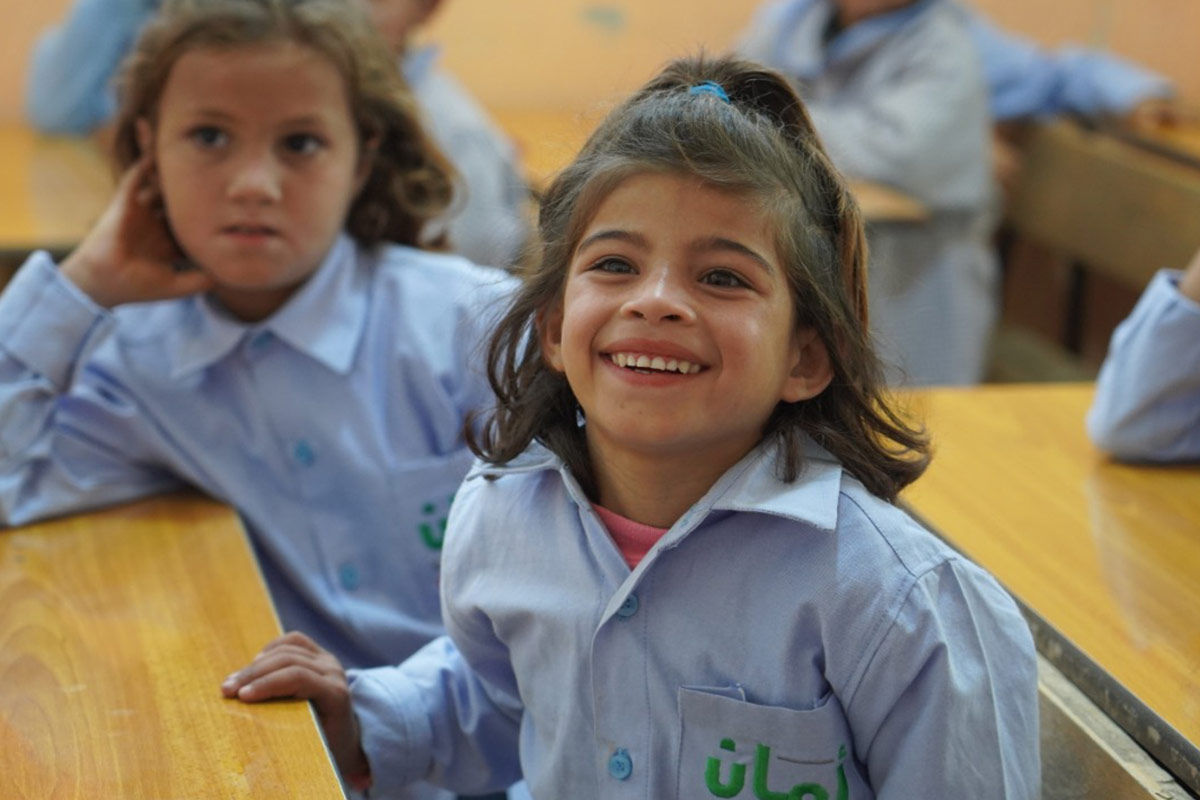
The Aman Schools, a project by the Africa Muslims Agency (AMA), are providing a crucial lifeline to vulnerable girls in Lebanon and South Africa, offering them a path to empowerment and self-reliance.
By delivering holistic education, these schools are actively breaking cycles of generational poverty, protecting girls from child marriage, and nurturing a new generation of female leaders. The transformative power of this education is evident in the confident, ambitious young women emerging from these programmes.
In refugee camps in Lebanon and under-resourced communities in South Africa, the reality for many young girls is bleak. Without access to schooling, they face immense pressure to enter child marriage or child labour.
Ola Khadry, an Educational Specialist at Aman School in Lebanon, highlighted the dire situation, noting that “about 70% of the Syrian refugee girls aged between 15 and 19 are already married.” Families under severe financial stress often see early marriage as the only option.
The Aman Schools directly counter this by creating a safe, nurturing environment where girls can thrive. “At Aman School, we interrupt that cycle and we equip the girls with the confidence, with the new skills and the choices,” Khadry explained. The impact is profound, with even one additional year of schooling capable of raising a girl’s future income by about 20%.
SMread: A drop of water is a drop of hope
A holistic approach to empowerment
The schools’ success lies in their comprehensive approach, which extends far beyond academics. They provide nutritious meals, uniforms, transport, and, crucially, psychosocial support to help students heal from trauma. Khadry has seen girls who “arrived anxious and silent, then after months of counselling and supporting them, they grow into leaders in the classroom.”
This emotional foundation is critical, as Safeeya Mahomed, AMA Aman School & Orphan Hope Manager in Finetown, South Africa, emphasised: “without healing, learning is incredibly difficult for these children.”
This holistic model is yielding remarkable results. In Finetown, Mahomed has witnessed “girls go from being shy, uncertain individuals to very confident, well-rounded, self-esteemed young women who can articulate their dreams and also take steps to achieve them.”
The schools are not just teaching subjects; they are restoring dignity and instilling a belief that students have a future beyond the limitations placed upon them by society. The focus on education creates a powerful ripple effect.
The inspiration for the schools themselves came from a young girl who approached the AMA’s CEO and asked him to start a school for refugee children in Lebanon who had no access to learning. Today, that single request has blossomed into a multi-national initiative.
The impact extends beyond the individual, as educated girls are more likely to uplift their entire communities. “They go home and they teach their younger siblings what they’ve learned in school, or they go home and they teach their parents,” Mahomed noted. This creates a “true ripple effect,” transforming households and future generations.
As Women’s Month is commemorated in South Africa, the work of the Aman Schools serves as a powerful testament to the importance of investing in girls. Mahomed’s closing message is both simple and urgent: “When we invest in a girl’s education, we change the future… An educated girl is more than just a student. She becomes a leader, a protector, a provider, and a voice for others who haven’t yet been heard.” Investment in education is foundational because, as she powerfully concluded, “when a girl rises, the whole world rises with her.”
Image: Africa Muslims Agency.
