Image Source: Action SA
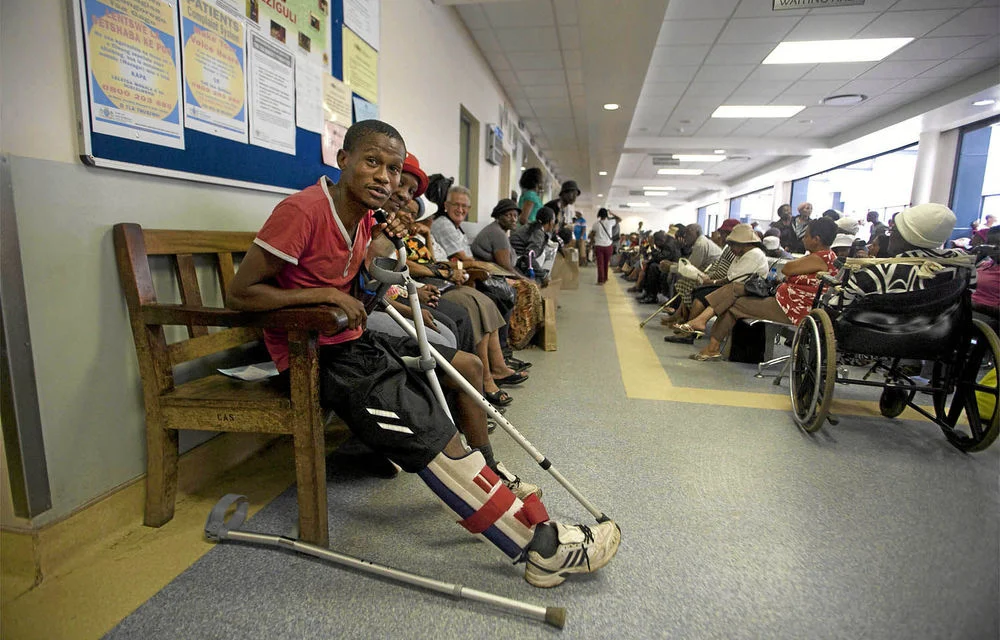
Local – Chairman and founder of African Migration, Hafiz Idreess Nungu, stated that the government should intervene as vigilante groups continue blocking foreign nationals from accessing healthcare at South African public hospitals and clinics.
Nungu expressed alarm over reports of militant groups, including Operation Dudula, preventing people from entering medical facilities for the past two months and demanding South African IDs before allowing treatment.
The crisis has escalated to the point where organisations are threatening legal action against the government for failing to protect healthcare rights.
“Already I received calls this morning there are people that went there and stopping people to enter in the clinics. I think the clinic belongs to the government,” Nungu said.
The situation has become increasingly dangerous, with police reportedly present at these incidents but failing to take action.
Healthcare facilities, which are government property, are being controlled by unauthorised individuals who have no legal authority to demand identification from patients.
“Police are there, and they are supposed to act because that is a criminal act that is happening. These people are innocent. They are sick, they have to get treatment from the hospital or clinic.”
The crisis has reportedly resulted in fatalities, with refugee leaders in Durban stating that at least two people have died after being denied treatment.
Escalation of Anti-Migrant Sentiment
The blocking of healthcare access represents a dangerous escalation in anti-migrant sentiment that has plagued South Africa for over a decade.
These vigilante actions are occurring while political leaders remain largely silent, failing to address the root causes of community tensions or provide solutions.
Nungu argues that political leadership has consistently failed to engage migration issues constructively, instead allowing divisive rhetoric to flourish.
He believes politicians are missing opportunities to build a more cohesive society by focusing on migrants rather than addressing service delivery challenges.
“This is all about politics, and when we talk of politics, we’re talking of the leaders that don’t understand what politics means,” he stated.
Legal Protections Being Undermined
Migrants living in South Africa make up a small yet significant percentage of the population.
Under South African law, foreign nationals are entitled to the same health benefits as citizens, including free HIV and TB treatment. However, these protections are being undermined by vigilante actions outside the law.
The government’s inaction has prompted human rights groups to consider legal proceedings.
Nungu stressed that his organisation prefers dialogue and government intervention over court action, but emphasised that authorities must take responsibility for protecting access to healthcare.
“We don’t want to take the government to court because of such things. But at least the government should take measures against this type of vigilante. They must arrest them,” Nungu explained.
His organisation is working with Lawyers for Human Rights and other civil society groups to address the crisis through advocacy and legal channels.
Deeper Systemic Issues at Play
Discrimination extends beyond healthcare access, with migrants being blamed for social and economic problems in communities.
Nungu argued that the harassment stems from systemic problems and noted that under South African law, citizens and foreign nationals have equal rights to healthcare.
He said the real issue lies in service delivery, “it’s about service delivery in the country. That’s what we are fighting for. We need service delivery.”
Despite the challenges, Nungu remains committed to working within the legal system while calling for comprehensive reform of migration policies.
The African Migration Organisation is preparing to engage directly with government officials while documenting incidents and collaborating with human rights lawyers. Nungu emphasised the urgency of intervention before the crisis escalates further.
“We are on the way to do that… we submit some of our complaints with them,” he said, stressing the need to “stop all these things that are happening in our country and in our society.”
