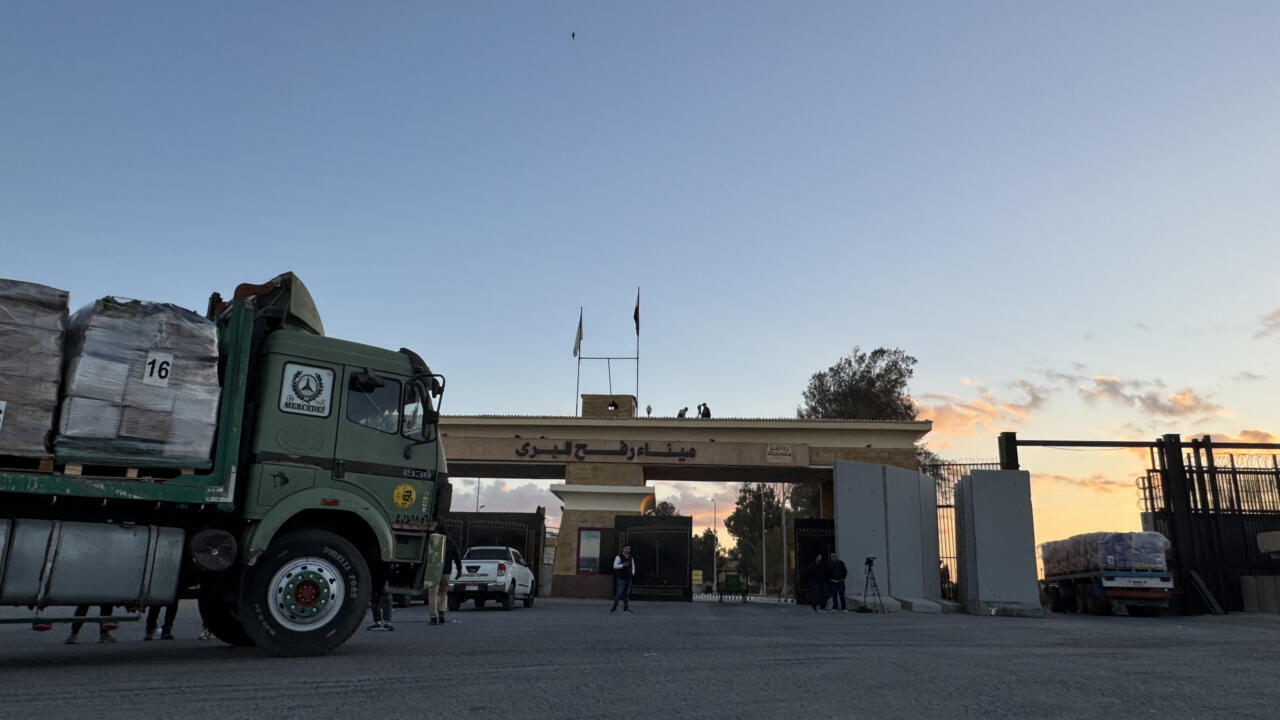
The Rafah crossing has become a focal point in the Gaza crisis. International pressure is mounting on Israel to allow more aid through this vital entry point as the United Nations reports critically low aid levels, far below the 600 trucks per day agreed upon in the ceasefire.
This has left many Palestinians in Gaza without sufficient food and clean water. The US-brokered deal’s success hinges on resolving this humanitarian issue.
High-level American officials are in the region to salvage the agreement. US Vice President JD Vance met with Israeli Prime Minister Benjamin Netanyahu. Their discussions aimed to ensure compliance with the ceasefire terms, including aid delivery via the Rafah crossing. Following US pressure, Netanyahu reversed a brief suspension of aid. However, the flow of supplies remains inconsistent and insufficient to meet the needs on the ground.
SMread: SAMNET raises alarm over Israeli citizens entering South Africa
Ceasefire under pressure
The fragile truce is being tested by more than just aid disputes. Doctors in Gaza are examining 195 bodies returned by Israel. They have reported signs of potential mistreatment. The identification process is hampered by a lack of forensic resources. Israel’s military has stated the bodies were those of combatants and denies any mistreatment.
Meanwhile, the political situation remains tense. US diplomatic efforts to manage Netanyahu have been dubbed “Bibi-sitting”. The future of the Rafah crossing and the broader peace process depends on navigating these complex political dynamics.
The second phase of the ceasefire, which includes post-war governance, is threatened by Netanyahu’s far-right coalition partners who oppose the deal. The continued closure and restricted access at the Rafah crossing symbolise the major challenges ahead.
Image: The Rafah border crossing between Gaza and Egypt is a highly strategic access point for delivering humanitarian aid, evacuating the wounded, and rebuilding the territory ravaged by more than two years of war © STR / AFP
