Two major legal challenges are targeting the Taliban’s leadership. These actions seek justice for the severe restrictions imposed on Afghan women and girls.
The International Criminal Court (ICC) and a Permanent People’s Tribunal have both taken significant steps. They are responding to what is described as a systematic erasure of women from public life. These moves aim to address allegations of widespread human rights violations in Afghanistan.
SMread: World observes International Human Rights Day
International courts pursue accountability
The International Criminal Court has issued arrest warrants for top Taliban leaders. This is a world-first for gender persecution charges. The court cites reasonable grounds to believe the leadership is guilty of crimes against humanity.
Supreme leader Haibatullah Akhundzada and chief justice Abdul Hakim Haqqani are named in the warrants. They are accused of ordering the persecution of women and girls. This includes depriving them of rights to education, movement, and expression. The ICC’s prosecutor is committed to pursuing effective legal pathways for accountability.
Separately, the Permanent People’s Tribunal delivered its final judgment in The Hague. It found the Taliban leadership responsible for the crime against humanity of gender persecution.
The tribunal heard harrowing testimonies from witnesses in Madrid. It concluded that the Taliban’s policies are a coordinated, state-level campaign of gender persecution.
The judgment named ten individual Taliban leaders as responsible. It also called for the immediate reversal of all discriminatory decrees. The tribunal warned the international community against normalising relations with the Taliban.
The legal basis for these actions is the Rome Statute. Article 7(1)(h) defines persecution on gender grounds as a crime against humanity. The Taliban’s numerous decrees targeting women provide evidence of discriminatory intent.
Afghanistan is a party to the Rome Statute. This means it has a legal obligation to cooperate with the ICC. However, the Taliban has condemned the warrants and does not recognise the court’s jurisdiction. Despite this, the warrants are seen as a hopeful step towards justice for Afghan women.
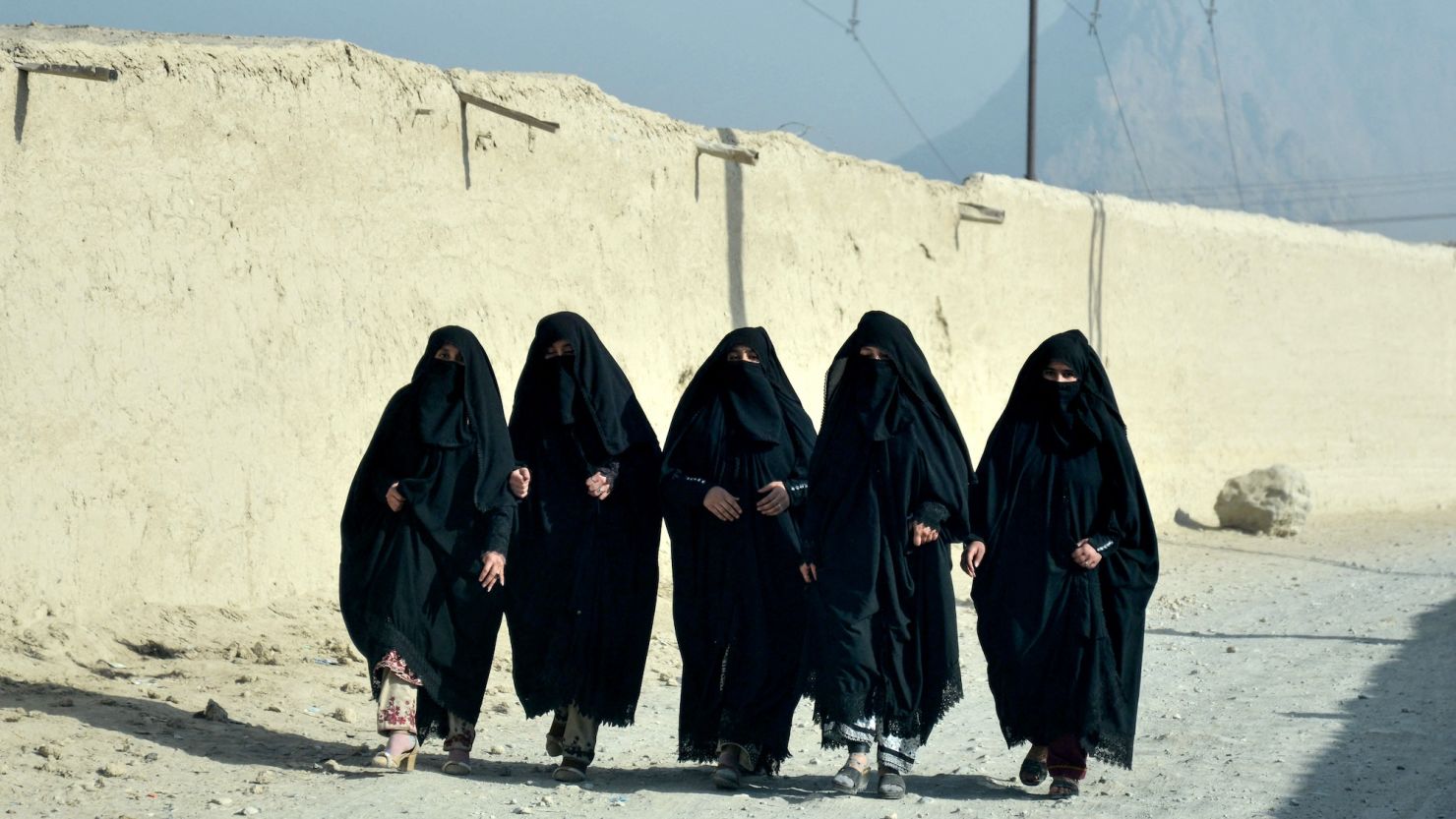
Image: Afghan women walk along a street in Kandahar on December 18, 2024. Credit: Sanaullah Seiam/AFP/Getty Images/CNN.
