The US Supreme Court struck down the president’s previous trade policy on Friday, 20 February 2026. In a 6-3 decision, the court ruled that the administration overstepped its authority by using the International Emergency Economic Powers Act (IEEPA) to impose sweeping tariffs. Chief Justice John Roberts stated that the president must have clear congressional authorisation to levy such taxes.
In response to the ruling, the White House shifted its strategy to Section 122 of the 1974 Trade Act. Trump initially proposed a 10% replacement levy on Friday but increased it to 15% on Saturday via social media. This specific law allows the executive branch to implement temporary tariffs for 150 days before requiring approval from Congress.
US Trade Representative Jamieson Greer confirmed on Sunday that the administration intends to maintain its aggressive trade stance. Greer noted that while the legal tools have changed, the policy remains focused on reducing trade imbalances. The new 15% duties are scheduled to take effect on Tuesday, 24 February 2026.
SMread: Hout Bay fence sparks outrage
Global partners and domestic businesses react
China’s commerce ministry urged Washington on Monday to cancel the unilateral measures, stating that protectionism leads nowhere. Beijing is currently conducting a comprehensive assessment of the ruling’s impact on global trade. Meanwhile, India has delayed a planned trade delegation to Washington due to the ongoing tariff uncertainty.
Domestically, the ruling has sparked calls for massive refunds. Economists estimate that the US government has collected at least $175 billion in illegal tariffs that may now need to be returned to businesses. While small business owners expressed elation at the court’s decision, the administration has indicated that any reimbursements will likely involve lengthy legal battles.
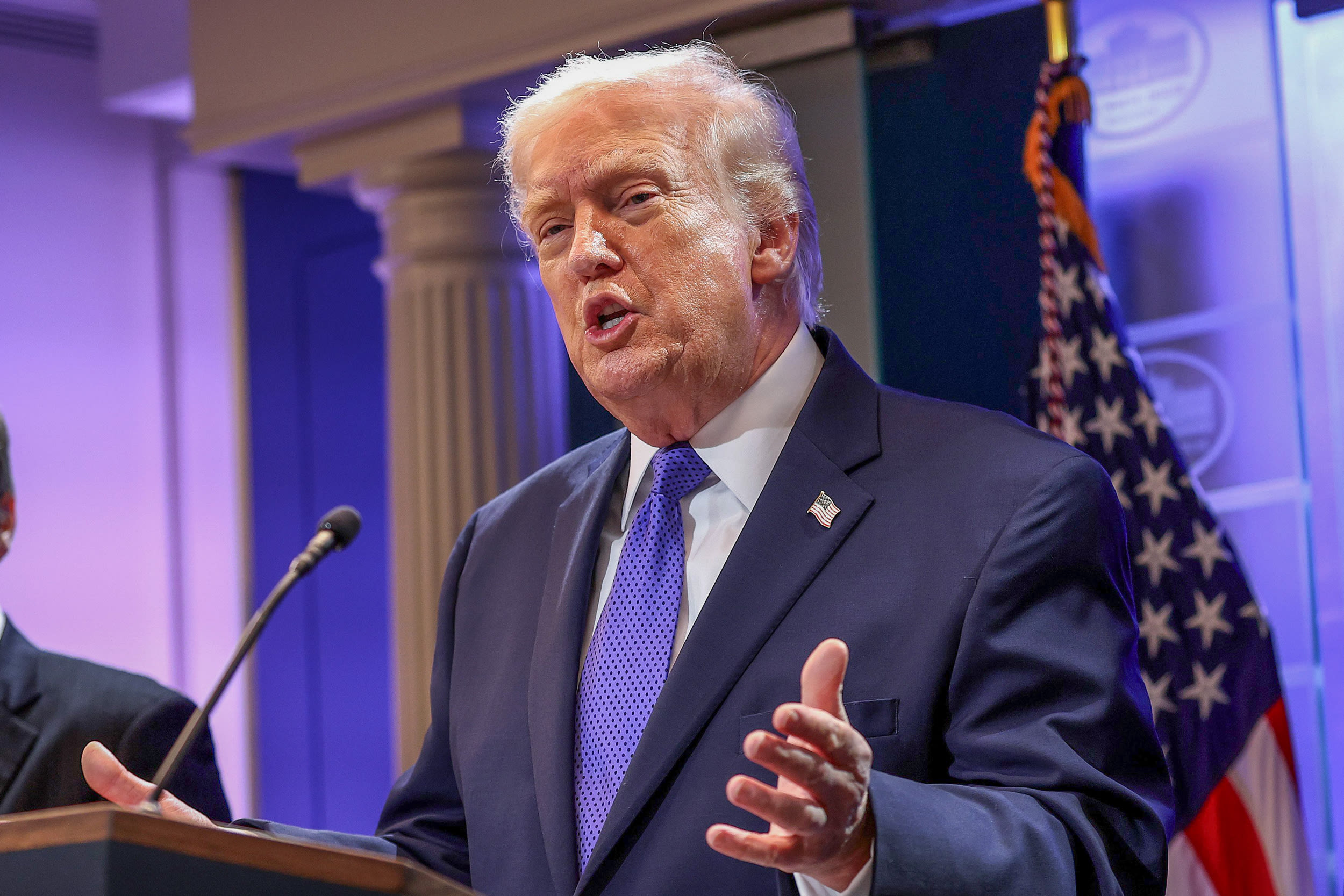
Image via NBC News.
