Image: Daily Maverick
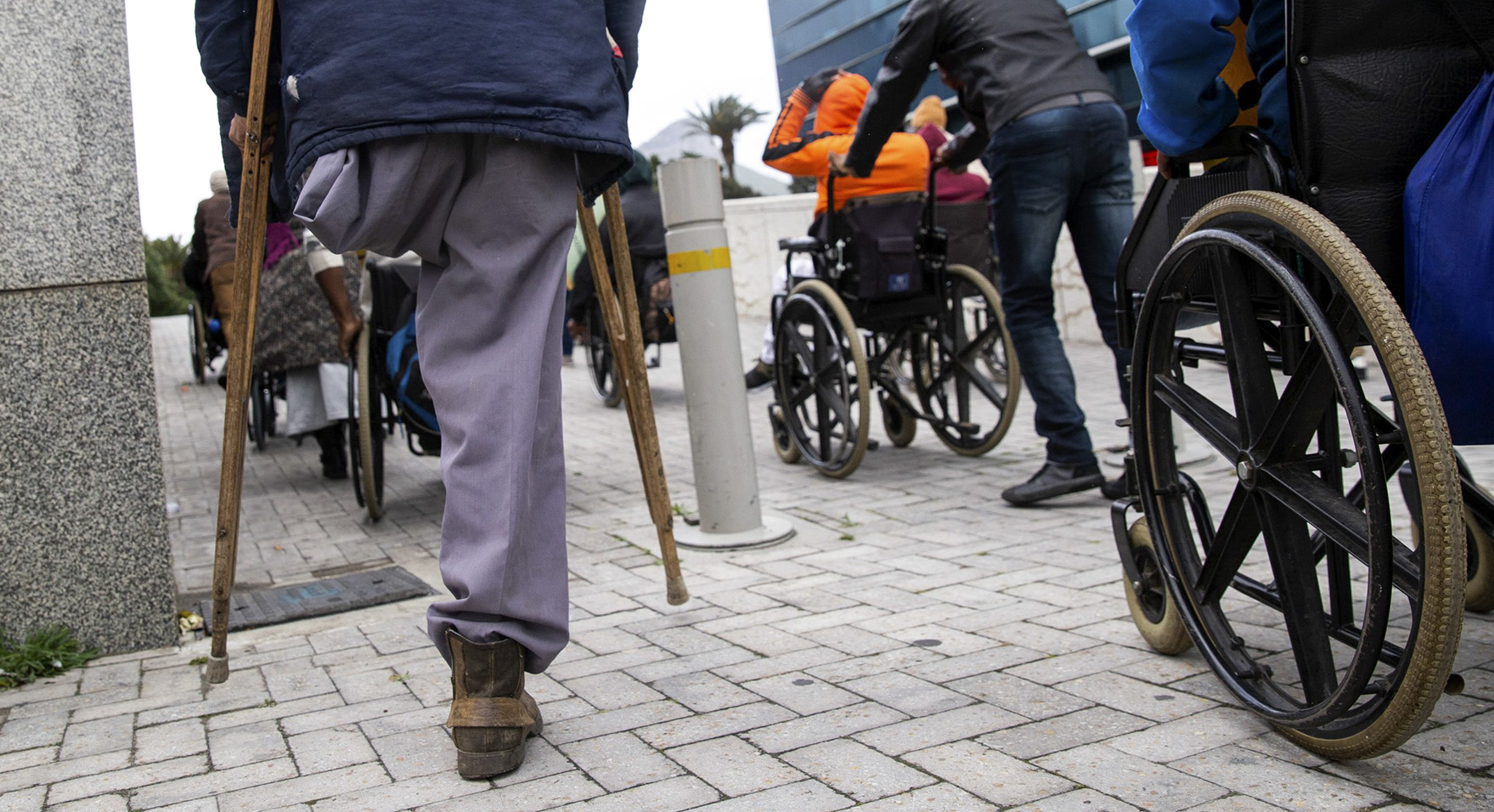
Local – Preshalin Naidoo exercised his democratic right during the special votes, showing that disability should never stand in the way of participating in the country’s future.
Exercising the right to vote is a fundamental part of participating in a democracy. For some, however, reaching a voting station and casting a ballot can come with additional challenges.
Preshalin Naidoo, a wheelchair user, took part in the special votes of South Africa’s local elections, exercising a right that belongs to every eligible citizen.
His experience, shared with Salaamedia during the special voting period, also highlighted the everyday barriers people with disabilities continue to face and the importance of making inclusion part of life beyond election day.
The Electoral Commission of South Africa (IEC) made provision for special votes to ensure registered voters who could not reach their voting stations on election day could still participate in the electoral process.
This included people who were physically infirm, had a disability or were pregnant, as well as those who could not vote at their registered voting stations on election day. Special votes were cast on dates specified in the election timetable, allowing eligible voters to exercise their democratic right ahead of the general voting day.
Despite the challenges of accessing public spaces, Naidoo described the voting station process as positive. Those present made an effort to assist him, allowing him to cast his vote.
He was proud to have participated and hoped that others, regardless of their circumstances, would have the same opportunity.
“We must make sure that everyone gets the opportunity to vote,” he said.
His words speak to an important part of democratic participation: The opportunity to vote should not be determined by a person’s physical ability. Every eligible citizen deserves the opportunity to have their say, and using that right is a responsibility that should not be taken for granted.
For Naidoo, however, inclusion cannot begin and end at the voting station. His experience also brought into focus the facilities and opportunities that remain difficult for many people with disabilities to access.
Beyond the ballot box
Many people take access to public facilities for granted. A visit to a library, for example, can offer access to information, technology and opportunities to interact with others. Yet, for someone who relies on accessible transport, reaching these spaces can become a challenge in itself.
Naidoo used the library at the Civic Centre as an example of a facility that could offer considerable value to people with disabilities if they had a reliable way of getting there.
He would like to see transport services that collect people with disabilities and take them to public facilities, allowing them to use the internet and spend time in spaces where they can connect with others.
“If you do not have access to the internet, you cannot do much,” he explained.
While computers and internet facilities may be available in community spaces, their existence does not necessarily mean everyone can use them. Accessibility must also account for the journey required to reach those services.
Naidoo also spoke about the need for more spaces where people with disabilities can spend time together, share their experiences and offer one another encouragement.
His concerns extend to employment, with more opportunities needed for people with disabilities to participate in the workforce and build independent lives.
A mother’s perspective
The challenges Naidoo described are also familiar within his own family. His mother spoke about the experience of raising a child with disabilities and the responsibilities that come with ensuring his needs are met.
Describing the journey as emotionally and physically demanding, she explained that it requires considerable strength and the ability to navigate difficult periods while continuing to provide support.
Over the past 13 years, she has witnessed significant changes in Preshalin’s development. Initial predictions about his future were very different from the person he has become. Today, Preshalin is a motivational speaker who uses his experiences to inspire others.
His mother reflected on how far he had come, explaining that the family had initially been told he would be a vegetable. Since then, his progress has challenged those early expectations.
But the family still faces practical difficulties, particularly with transport. Buses and taxis are not always equipped to accommodate people with disabilities, making ordinary journeys difficult for individuals and their caregivers.
She also reflected on the significance of voting, describing it as an opportunity to contribute towards the kind of country people want to live in.
For families in similar circumstances, participation in public life is closely connected to whether the surrounding environment allows them to do so.
A right may exist, but exercising it can depend on the accessibility of nearby services and infrastructure.
Inclusion in everyday life
Making voting stations accessible is important, but it is only one part of ensuring that people with disabilities can participate fully in society.
Access to employment, public facilities, and transport all influence how fully individuals can use the opportunities available to them. These are not additional privileges, but part of creating a society in which everyone can participate.
The responsibility to create an inclusive society doesn’t rest with people with disabilities alone. Communities and those responsible for public services must also consider what prevents people from accessing available opportunities.
Naidoo’s decision to vote reminds us that disability should never stand in the way of exercising a democratic right. Despite the challenges he faces, he made the effort to have his say in the country’s future.
His example encourages every eligible voter not to take that opportunity for granted. Regardless of our circumstances, we all have a voice, and voting is one way of making it heard.
