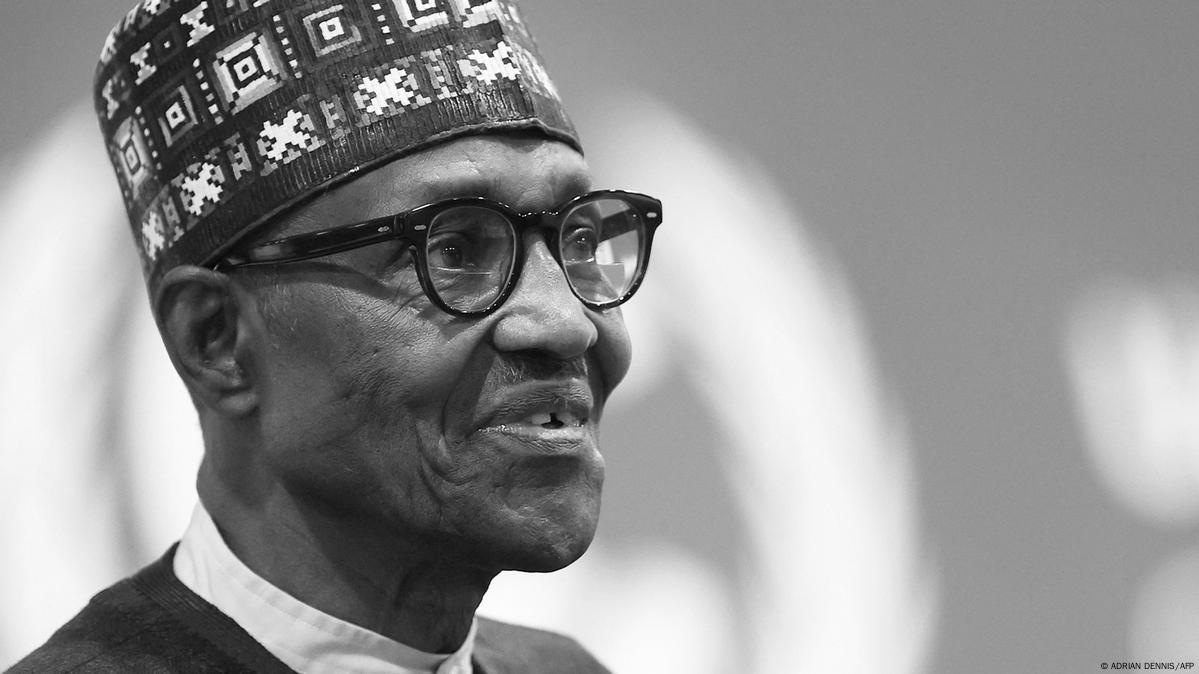
Nigeria is grappling with the multifaceted legacy of its former president, Muhammadu Buhari, who passed away in a London hospital on Sunday, 13 July, at the age of 82 following a prolonged illness. The former military head of state and two-term civilian president was buried on Tuesday in his home state of Katsina, leaving behind a nation united in mourning but divided in its assessment of his time in power.
Buhari, who led Africa’s most populous nation from 2015 to 2023, is remembered by many as a figure of immense personal integrity and patriotism. However, his leadership was also marked by significant economic hardship and accusations that he mismanaged the country’s delicate ethnic and religious diversity. His death has prompted an outpouring of condolences and a renewed debate over Buhari’s legacy.
South African President Cyril Ramaphosa extended his condolences, recalling his close work with Buhari during the COVID-19 pandemic and highlighting how their engagement intensified cooperation between the two nations. The Nigerian government, led by President Bola Tinubu, declared a seven-day period of national mourning to honour the late leader.
SMread: Fragile ceasefire halts deadly Sweida clashes
A Tale of Two Eras
Muhammadu Buhari’s political career spanned two distinct periods: first as a military ruler following the 1983 coup d’état, and later as a democratically elected president after his historic victory in 2015, where he became the first opposition candidate to defeat an incumbent in Nigeria.
Joshua Olawald Owoyomi, a Nigeria-based broadcast journalist, noted the fundamental differences between these two eras. As a military head of state, Buhari could rule by decree, taking swift, unilateral action against perceived corruption. As a democratically elected president, however, he was bound by the rule of law.
“As an elected, democratically elected president, you can’t do that. You have to let the law have its way,” Owoyomi explained in an interview with Salaamedia.
Despite these differences, a common thread ran through both periods: Buhari’s personal discipline and disdain for material wealth. Owoyomi emphasised that the former president was “consistent with his integrity and his desire for a better Nigeria,” pointing out that after eight years in office, Buhari returned to his old house, having not amassed personal riches.
This reputation for being incorruptible, earning him the nickname ‘Mai Gaskiya’ (the honest man), was a cornerstone of his political identity and secured him a fanatical following, particularly in northern Nigeria.
Critics, however, argue that his personal virtues did not translate into effective governance. Analyst Olu Fasan described Buhari as a “patriot who deeply loved Nigeria” but whose “ideational limitations” and “command-and-control mindset” led to policies that ultimately harmed the country.
His administration faced a severe economic recession, currency shortages, and a slump in oil production. Fasan contends that Buhari’s economic policies, both as a military and civilian leader, were “dangerously misguided” and that he failed to leave an indelible mark on fighting insecurity or corruption on a national scale. This complex portrait defines Buhari’s legacy.
The End SARS protests in October 2020 marked another critical point in his presidency, creating what Owoyomi described as a “huge division between the old and the young” that has yet to be fully repaired. He suggested that a lack of historical knowledge and emotional responses on all sides complicated the situation, making true reconciliation difficult.
Ultimately, assessments of Muhammadu Buhari remain deeply polarised. Supporters, like Owoyomi, maintain that he was “one of the most respected individuals in the history of our nation,” a leader whose integrity was intact and who cannot be accused of embezzlement. In contrast, critics point to a “tragic legacy” of economic mismanagement and exacerbated national divisions. As Nigeria moves forward, the full scope of Buhari’s legacy will continue to be analysed and debated for years to come.
Image credit: Adrian Dennis/AFP
