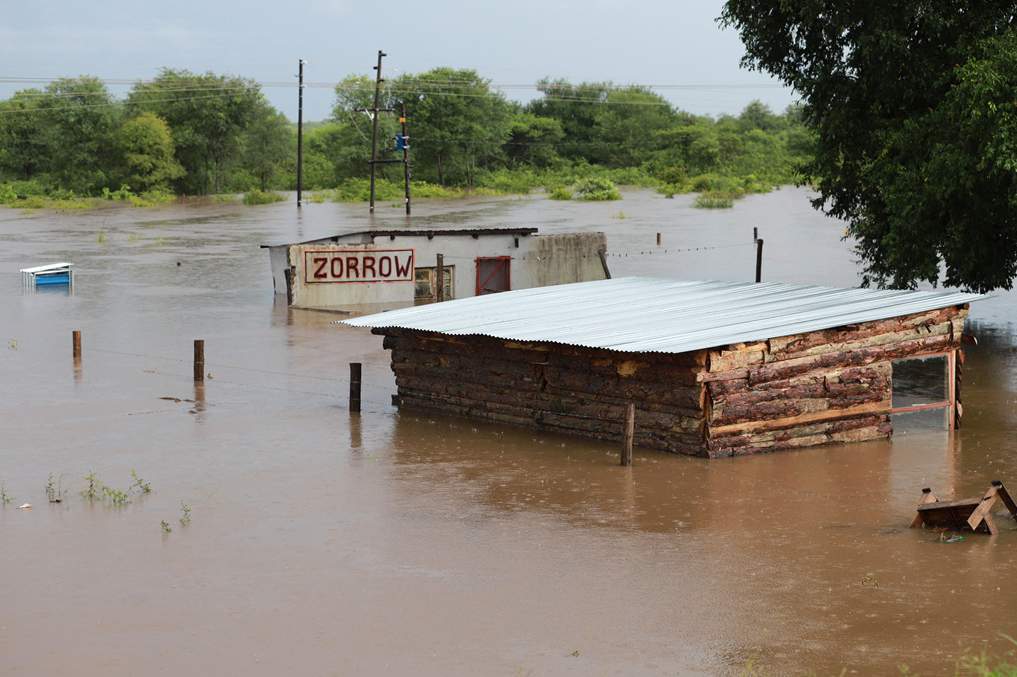
Image Source: News24
Local – Dr Caradee Wright from the South African Medical Research Council has raised concerns about elevated health risks facing flood-affected communities in Mpumalanga and Limpopo.
The recent flooding has compromised access to clean water and healthcare facilities, creating conditions that favour disease outbreaks.
The crisis extends beyond lost lives and disrupted schooling. Standing water left behind as floods recede could become breeding grounds for mosquitoes, increasing malaria transmission during South Africa’s malaria season. Children who depend on school feeding programs are now cut off from vital nutrition as schools remain damaged or inaccessible.
Wright outlined the immediate concerns, pointing to mental health impacts from family losses and the disruption of essential services. The loss of access to schooling compounds worries about malnutrition and food security.
“We are really concerned because the floods have compromised water access as well as access to health care,” Wright said.
Waterborne Disease Risks
Diarrheal disease presents a particular worry alongside malaria. It is currently malaria season in Mpumalanga and Limpopo, but the lack of clean water has introduced another layer of risk that demands urgent attention.
“With people not able to have fresh, clean water to be able to keep good hygiene and keep washing hands and being clean, the risk of diarrhoea increases a lot,” she said.
Wright urged residents to boil any available water before using it for handwashing or consumption. Based on historical patterns, she expects these health impacts to persist for months as ground-level data continues filtering in.
“Given predictions or projections from the past, we are likely to see an increase in these kinds of outcomes at least for the next two or three months,” Wright noted.
Vulnerable Populations
Infants, pregnant women, people with pre-existing conditions, those facing physical and mental challenges, and older adults need particular attention. Wright stressed that these groups often require extra care from family and community members.
“These vulnerable people really do need a helping hand,” she emphasised.
Wright also addressed the structural problems worsening the crisis. Failing infrastructure, particularly damaged roads and bridges, has cut off access to healthcare facilities when people need them most.
“Our infrastructure is failing us. Roads and bridges are the connectors that get people to healthcare, and if they can’t get to these spaces, the increased risk of ill health increases,” she said, calling for better preparedness rather than reactive responses.
