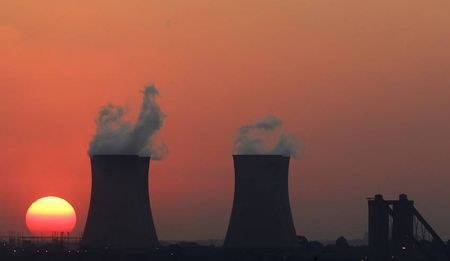
Image Source: Daily Maverick
Local – The foul, rotten egg smell hanging over Johannesburg this week comes from hydrogen sulfide, a gas with a strong odour, released during coal-to-liquid processing at power stations in Mpumalanga, according to environmental scientist and lecturer at North-West University, Ncobile Nkosi.
Residents reported headaches, fatigue, chest tightness, and breathing discomfort as the odour persisted across several days, reigniting public concern about the city’s air quality.
Nkosi said the gas typically escapes at heights that keep it well clear of populated areas, but that a weather phenomenon known as a temperature inversion, a situation where a layer of warm air traps colder air beneath it, was preventing it from rising, forcing it to move horizontally toward Johannesburg instead.
“In the Highveld in Mpumalanga, we have power coal stations that generate petroleum and other liquids from coal. So sulfur hydroxide is from when the oil is processed, then it releases that chemical, and then it goes into the atmosphere.”
Why is the Smell Reaching Johannesburg
Normally, the stacks at these facilities release emissions at heights above ground level. Nkosi said a shift in atmospheric conditions had altered this situation.
A temperature inversion, where the air near the ground is colder than the air above, traps pollutants near the surface and causes them to creep sideways across the Highveld.
“When the lower atmosphere is colder than the upper atmosphere, then the air cannot move up… it moves horizontally towards Johannesburg like that.”
What Residents Should Do
Nkosi advised residents to stay indoors as much as possible, avoid outdoor exercise, and wear a mask when venturing out. She warned that physical activity significantly increases how much of the pollutant a person breathes in.
“When you go outside, and you’re running, your body takes up more air than you usually would. So you must avoid jogging outside because as you jog, you breathe in, you take in this air.”
On how long the smell may last, Nkosi offered little certainty, noting that climate change was making such atmospheric events harder to predict. She said the inversion could persist for up to a week before conditions shift.
