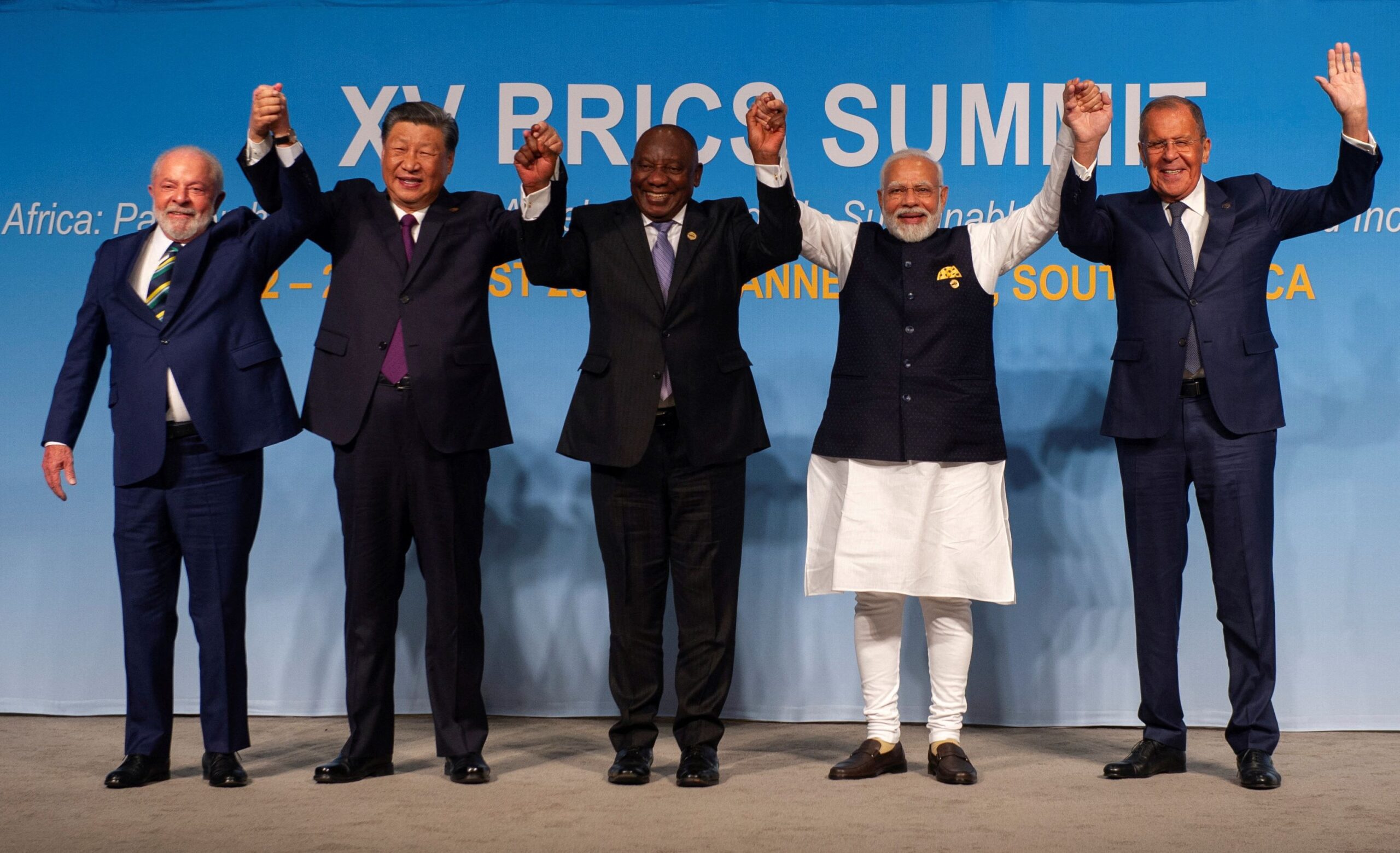
SA’s alignment with BRICS dominated its foreign policy when it hosted the group summit in 2023.
South Africa’s foreign policy stance is likely to remain much the same, despite a coalition government being put in place. That is according to an expert at the Institute for Global Dialogue (IGD).
Speaking in an interview on Salaamedia, research associate Ashraf Patel said the government of national unity (GNU) was likely to continue with a foreign policy stance centred around human rights and economic development.
“National interests, economic development, would underpin South Africa’s foreign policy, as well as our traditional human rights framework in terms of which we seek to engage the world,” he said.
SMread: GNU – nobody was excluded
BRICS and South African foreign policy
The new government, featuring parties like the global-south-inclined African National Congress (ANC) and the West-aligned Democratic Alliance (DA), will have differing views on issues concerning foreign affairs.
However, Patel said SA was likely to remain part of the BRICS group. This, he explained, was because the country could rely on fellow member states for support in spaces like energy and development.
“They are powerhouses in terms of energy and development finance. South Africa needs all of those to continue its pathway to inclusive growth, as well as diversifying its impact on the world stage.”
In the run up to last month’s general election, the ANC and DA – the biggest parties in the coalition government – took similar stances on the Palestine issue. Both called for a ceasefire in Gaza and both preferred a two-state solution.
As far as challenges were concerned, Patel did not believe any “major” disputes might arise from the fragile new government.
