Image: Reuters
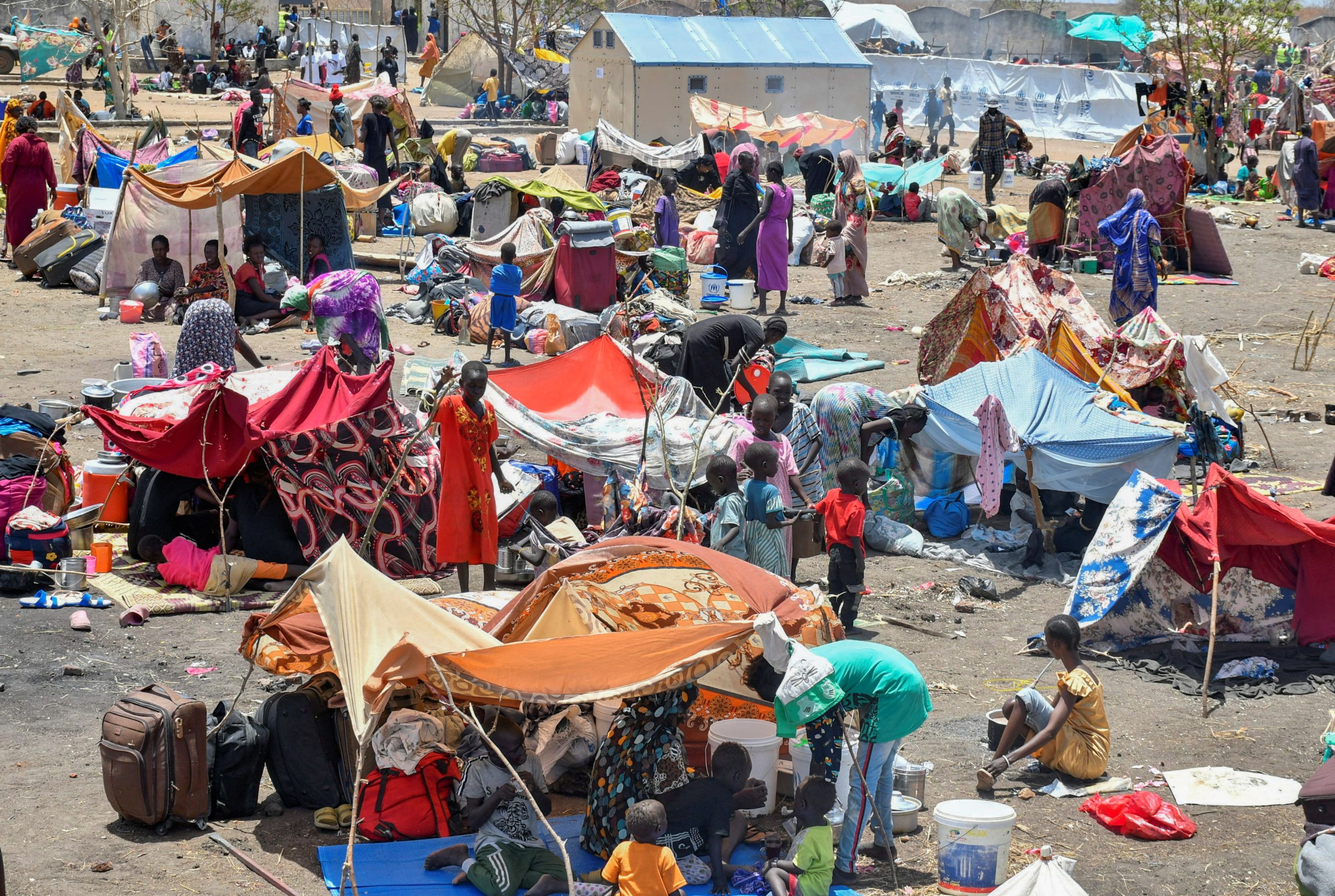
Africa – Climate-related disasters are compounding the suffering of Sudanese people, according to Sudanese journalist and political analyst Ramadan Birima, as the country’s war continues to devastate civilian life and disrupt aid operations. Birima said the suffering was not limited to one place, with hotspots in Kordofan, Blue Nile and northern Sudan.
Birima said the failure of this year’s rainy season had hit the agricultural areas of Kordofan and Blue Nile, where civilians were already living under the threat of drone strikes by the Rapid Support Forces (RSF). He said about 30 displaced civilians were killed in a recent attack in Abu Shandi in Blue Nile state, adding that RSF drones were being launched from inside Ethiopian territory.
“This is one of the other elements I think contribute so much to the suffering of the people. The rainy season was not successful this year, and this is in addition to the war situation,” he said.
Hardship in So-Called Peaceful Areas
Life remains far from normal even in areas controlled by government forces, including those recaptured from the RSF and often described as peaceful. For many families returning from abroad, little remains to come back to.
Birima said strikes on electricity facilities had repeatedly plunged the country into blackouts, while refugees returning to Khartoum and other cities were finding their homes looted or destroyed and having to start their lives from scratch.
“So, meaning that civilians could not farm their land, which is the only source of sustenance for them. Today is October. October is supposed to be the month in which people reap the fruit of what they cultivated. But that is not the case in many areas in Kordofan in particular,” he said.
Army Gains Ground
The Sudanese Armed Forces have made significant advances in Kordofan, with the army now near En Nahud and pushing the RSF towards western Sudan. As the army has advanced, defections from the RSF have grown.
Birima said the army was likely to recapture En Nahud in the coming weeks, with many RSF commanders defecting after the army announced it would grant defectors asylum and not harm them. However, he said that despite the army’s gains, people in western Sudan were suffering the most, and that with media barred from RSF-controlled areas, the full extent of that suffering remained unknown.
“The next three to four months are going to be very difficult and very hard for the people, which means that if there is no kind of humanitarian aid to these areas, they will witness very bad conditions unfortunately,” he said.
