50
Image: SABC News
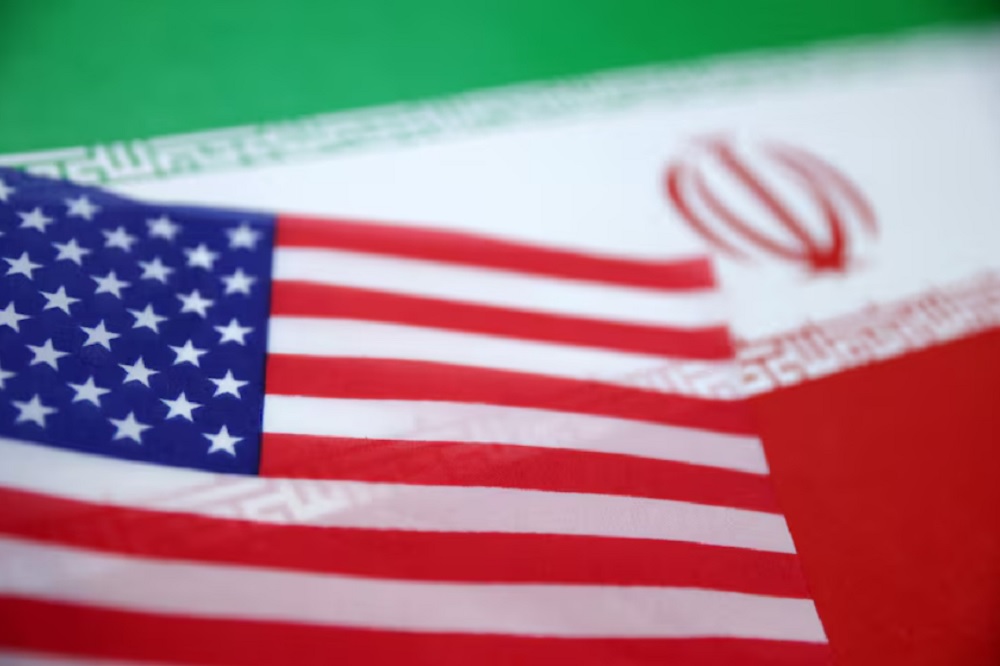
World – The escalating conflict between the United States, Israel and Iran has entered another uncertain phase, with reports of explosions across southern Iran, renewed tensions around the Strait of Hormuz and Washington moving to restrict Iran’s land-based supply routes.
As Tehran warns of a severe response to further military attacks, the latest developments point to a conflict extending beyond direct military confrontation, with economic pressure increasingly central to the US strategy. The consequences could reach far beyond the region, affecting energy markets, international trade and countries already exposed to instability in the Middle East.
A conflict with no clear end in sight
The latest escalation comes amid growing opposition within the United States to the administration’s military campaign against Iran. The political consequences of the war have become increasingly difficult for President Donald Trump to ignore, particularly following significant Republican losses in the midterm elections.
Professor Junaid S. Ahmad argues that the election results exposed divisions within the Republican Party over continuing military action. While some members have questioned the conflict’s strategic and political costs, others within the administration continue to support a more aggressive approach.
He points to figures including Secretary of State Marco Rubio and Secretary of War Pete Hegseth, alongside pro-Israel and neoconservative elements within the administration, as influential voices favouring continued pressure on Tehran.
Vice-President JD Vance has, meanwhile, expressed opposition to the war, arguing that the military campaign contributed to the Republican Party’s poor electoral performance. For Ahmad, these competing positions reflect a wider struggle over the direction of US foreign policy. The apparent disagreement raises questions about whether Washington is moving towards de-escalation or preparing for another phase of confrontation.
Uncertainty surrounding the latest attacks
Reports of strikes around Qeshm Island, off Iran’s southern coast, have added to concerns about a broader regional escalation. There have also been reports of damage involving military aircraft and an attack on a gas facility in Iraq.
However, responsibility for some of these incidents remains unclear.
Ahmad cautions against accepting early claims about the perpetrators without independent verification. He notes that the presence of US forces in Iraq, alongside the activities of various armed groups in the region, makes it difficult to establish responsibility immediately.
He also raises the possibility of Israeli involvement in operations that could further inflame tensions between regional actors. Israel’s role, he argues, should not be overlooked when assessing incidents that risk drawing neighbouring countries into a wider confrontation.
The uncertainty surrounding these attacks is significant in itself. With several parties operating across an already volatile region, competing claims can deepen mistrust and increase the possibility of retaliatory action before the facts have been established.
Iron Gate and the expanding economic pressure on Iran
One of the more significant developments is US Central Command’s (CENTCOM) announcement of a new task force known as Iron Gate. The initiative is intended to disrupt Iran’s land-based supply networks, targeting the movement of advanced weapons systems, dual-use technologies, sanctioned materials and financial resources across its land borders and the Caspian Sea.
The proposed restrictions would extend the pressure beyond maritime routes, including the strategically important Strait of Hormuz. Iran has historically relied on regional trade connections and alternative routes to maintain economic activity despite decades of international sanctions.
Ahmad interprets the initiative as part of a broader economic campaign against Tehran. With direct military action carrying significant political and strategic consequences for Washington, restricting Iran’s access to trade and resources offers another way to exert pressure. He argues that the United States may be attempting to achieve through economic restrictions what it has struggled to accomplish through military force: compelling Iran to change its position.
The consequences, however, would extend beyond the Iranian government. Restrictions on supply routes could affect ordinary citizens, regional trading partners, and countries whose economies depend on moving goods through the Middle East.
Iran has already experienced the effects of prolonged sanctions. Yet, despite decades of economic restrictions, the country has continued to resist external pressure.
For Ahmad, this resilience is central to understanding why the conflict has reached its current point.
The Strait of Hormuz and the wider regional consequences
The Strait of Hormuz remains one of the most strategically important waterways in the world. As a major route for international energy supplies, any disruption carries consequences well beyond the immediate conflict. A more comprehensive blockade, combined with restrictions on land-based trade, could intensify existing economic pressures.
Ahmad also questions how much Gulf governments support continuing military action. Several regional states have felt the consequences of Iranian retaliation, giving them good reasons to oppose a prolonged confrontation. Their position complicates the assumption that Washington and Israel can continue escalating military pressure without wider regional consequences.
Iran has repeatedly demonstrated its willingness to retaliate against US interests in the region. American military installations and associated infrastructure could remain potential targets should further attacks occur.
This creates a difficult calculation for Washington. Further military action could invite retaliation, while economic restrictions risk extending the conflict into international trade and energy markets.
The nuclear question and the risk of further escalation
Concerns surrounding Iran’s nuclear programme remain another major factor in the conflict. Trump has previously threatened further strikes against Iranian nuclear infrastructure, including the facility believed to be located beneath Pickaxe Mountain. Any attempt to target sensitive nuclear facilities would carry serious consequences, particularly given the potential environmental and regional implications.
Ahmad argues that public opposition within the United States to further military escalation should not be dismissed. However, he questions whether this opposition will be sufficient to restrain the more hawkish elements within the administration.
The influence of the military-industrial complex and pro-Israel political interests, he suggests, could complicate efforts to bring the conflict to an end.
The central concern is whether political pressure will translate into a policy change before another round of military action.
What happens next?
The outlook is uncertain, with further escalation depending partly on which political faction gains influence within the Trump administration. Ahmad identifies a potential path towards de-escalation if Republican voices opposed to continued military involvement become more influential. He points particularly to JD Vance and political commentator Tucker Carlson, who have questioned continuing the war.
He also notes that negotiations involving Vance and other officials have reportedly continued alongside the military and economic pressure on Iran. A return to the memorandum of understanding could offer a basis for renewed diplomatic engagement, although the prospects for such an outcome remain uncertain.
Ultimately, the conflict is no longer confined to military superiority between the countries directly involved. It has become a test of political resolve within Washington, Iran’s ability to withstand sustained pressure and the willingness of regional and international actors to prevent a wider confrontation.
For the global community, another escalation could be felt through trade disruptions and growing economic uncertainty. Whether diplomatic efforts can regain momentum before further military action takes place is still one of the most pressing questions.
For more on this, watch the video below:
https://www.youtube.com/live/t7nPbsn3ps8?si=u_KeXFSpRWrNK0LR
