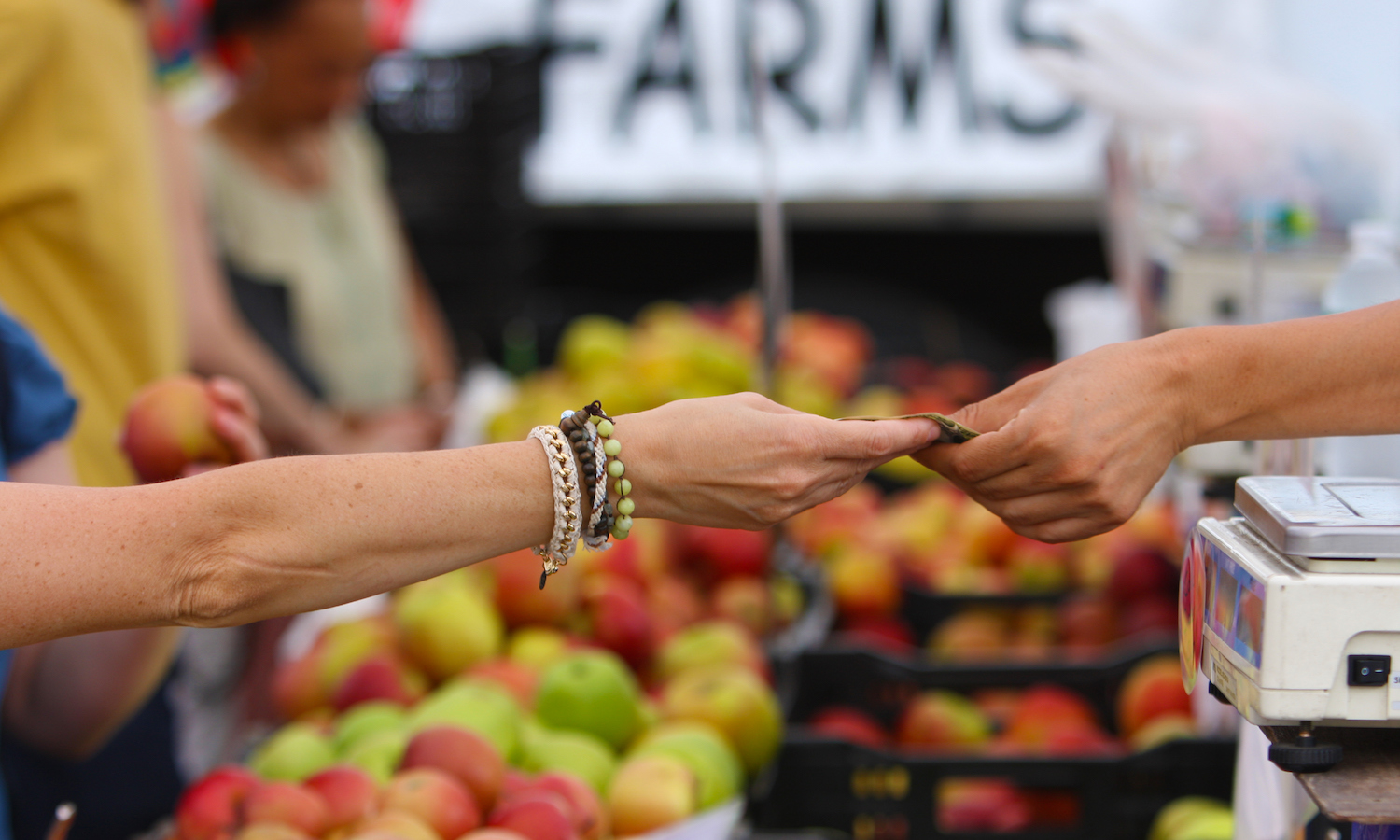
Photo by [The Food Tank]
South Africa -The soaring cost of living has become unmanageable, compelling many South Africans to make difficult choices when shopping for groceries. The escalating prices of essential goods and services have placed a significant economic burden on the nation’s citizens.
Consequently, numerous individuals are struggling to make ends meet. The continuous upward trend in food prices has prompted people to reassess their spending patterns, carefully examine their grocery lists, opt for more budget-friendly alternatives, and actively seek discounts and promotions to stretch their limited budgets further.
One consumer expressed, “The rise of food prices has forced me to reassess my budget and hunt for store specials. It’s taking a toll on my mental health as I constantly worry”.
From the Pietermaritzburg Economic Justice and Dignity Group, Mervyn Abrahams emphasises that rising food prices have a far more severe impact on South Africans than is commonly acknowledged.
“The situation around the cost of living has really become dire. One example is that the Department of Health has issued a statement to say that about 15 000 children were hospitalised with malnutrition last year. We believe that that is just the tip of the iceberg.”
Inflation, Up, Up and Away
In recent months, South Africans have witnessed a gradual increase in essential groceries, whereby last year’s inflated prices are today’s store discounts and specials.
These price hikes are evident when we compare last year’s prices for items like bread and milk. For instance, a loaf of Albany bread was priced at approximately R16.99, and a 6-litre pack of Parmalat milk cost R109.99. The same products are selling for R19.99 and R129.99, respectively, according to the Checkers Sixty60 app.
In addition to these essential goods, South Africa is grappling with the widespread Avian flu outbreak in the poultry industry. This outbreak led to the loss of hundreds of thousands of chickens and resulted in a scarcity of poultry products.
Due to this shortage, many stores limit the quantity of chicken and eggs that customers can purchase. Given the anticipated price hikes in poultry products, Abrahams stated that his organisation is urging the government to provide subsidies to help offset some of the costs, recognising that many low-income South African households rely on poultry for sustenance.
“The chicken and egg prices have become absolutely out of reach for ordinary people. This is important in terms of South Africa’s long-term economic stability. Because if we don’t feed our children properly, we will see greater exposure to disease and a greater need for our health services. We could also see that our education outcomes are negatively impacted as well.”
SMread| Jeppestown bridge collapse sign of worrying condition of SA’s infrastructure
Low-Level Wages Not Keeping Up with Inflation
Abrahams explains that the primary reason many South African households struggle to cope with the increasing food prices is their low wages. Consequently, numerous individuals cannot establish financial safety nets, such as savings and investments, to help alleviate the challenges posed by the rising cost of living.
“We have a historically low wage trajectory because how other countries are dealing with this high cost of living crisis is that households have savings. Currently, the South African household does not have any savings, so we cannot manoeuvre these high prices, particularly when it is issues outside of our control.”
To address the impact of inflation on the country’s residents, Abrahams noted the cabinet has instructed the government’s economic stakeholders to develop a strategy for ensuring household food security.
However, he further stated since this announcement, his organisation has yet to receive any updates or progress reports.
