As tensions between Iran, Israel, and the United States reached a boiling point this week, South Africa — a nation typically vocal on international human rights issues — has remained conspicuously quiet. This muted response comes as the country chairs the G20 in 2025 and navigates its role within the expanded BRICS+ bloc, placing its foreign policy under intense scrutiny. The government’s apparent diplomatic silence underscores a precarious balancing act between its historical commitments and pressing economic realities.
The backdrop to this situation is a volatile Middle East. Recent events saw a US-led strike on Iran, which journalist Rebecca Davis, speaking to Salaamedia, noted was “carried out at the behest of Israeli [prime minister] Benjamin Netanyahu.” This military action occurred alongside ongoing Israeli operations in Gaza, where Al Jazeera reports that dozens of Palestinians, including those seeking aid, have been killed in recent attacks.
While US President Donald Trump announced a fragile ceasefire, reports from The Guardian indicate both Israel and Iran have been accused of violations, maintaining a high-stakes, precarious peace.
Against this turbulent international canvas, South Africa’s official response has been minimal. President Cyril Ramaphosa issued what Davis described as a “relatively weak statement,” expressing disappointment and calling on the United Nations to negotiate. This contrasts sharply with the country’s robust legal challenge against Israel at the International Court of Justice (ICJ) over the situation in Gaza.
This has led to a perceived inconsistency, prompting questions about the strategic calculations being made in Pretoria. The government’s official policy is to strive for “the settlement of all international disputes by negotiation – not war,” a principle rooted in the Freedom Charter.
SMread: Fordow Under Fire: Tensions Soar After Nuclear Site Strikes
The Geopolitical Tightrope
South Africa’s foreign policy is officially one of “active non-alignment,” a stance the Presidency asserts allows it to resist “pressure to align with any one of the global powers.” This policy aims to foster strategic partnerships rather than being dominated by any single bloc. As a key member of BRICS+ and the G20 president, South Africa’s actions are watched closely by both its Global South partners and Western powers.
According to analysis, the government of national unity must adopt a “nuanced approach to international relations” based on pragmatism. This is particularly relevant now. Davis points out the delicacy of the situation, highlighting a critical trade deal with the US. “We are still up in the air about what is going to happen with our trade deal with the US,” she said, referring to the looming threat of “high, 30% tariffs.” Alienating the US administration at this juncture could have “really punitive economic effects for South Africa.”
This economic vulnerability creates a difficult dilemma. How does Pretoria reconcile its principled, anti-apartheid-inspired solidarity with Palestine — a cornerstone of its foreign policy — with the economic necessity of maintaining favourable relations with the US, a key ally of Israel?
Davis summarises the challenge: “How do we reconcile these things? We cannot simply accept, as Pretoria, the strike on Iran happening, knowing full well that it was done at the Israeli’s request at the same time as we’re trying to appease America.” This complex situation may explain the reticence from major political parties, which, as Davis observed, have been largely silent despite normally being quick to comment on international affairs. This careful diplomatic silence may, for now, be Pretoria’s only viable path.
The situation forces a hard look at the practical application of South Africa’s foreign policy. While the government’s official stance, outlined by the Presidency, is to maintain a policy “informed by solidarity, peace, equality, human rights and sustainable development,” the current crisis demonstrates the immense difficulty of upholding these values without incurring significant geopolitical and economic costs.
As the nation steps onto the G20 stage, its ability to navigate this intricate web of interests will define its role as a credible “middle power” and a leader of the Global South. The world is watching to see if this diplomatic silence is a temporary strategy or the beginning of a more pragmatic, and perhaps less vocal, era in South African foreign relations.
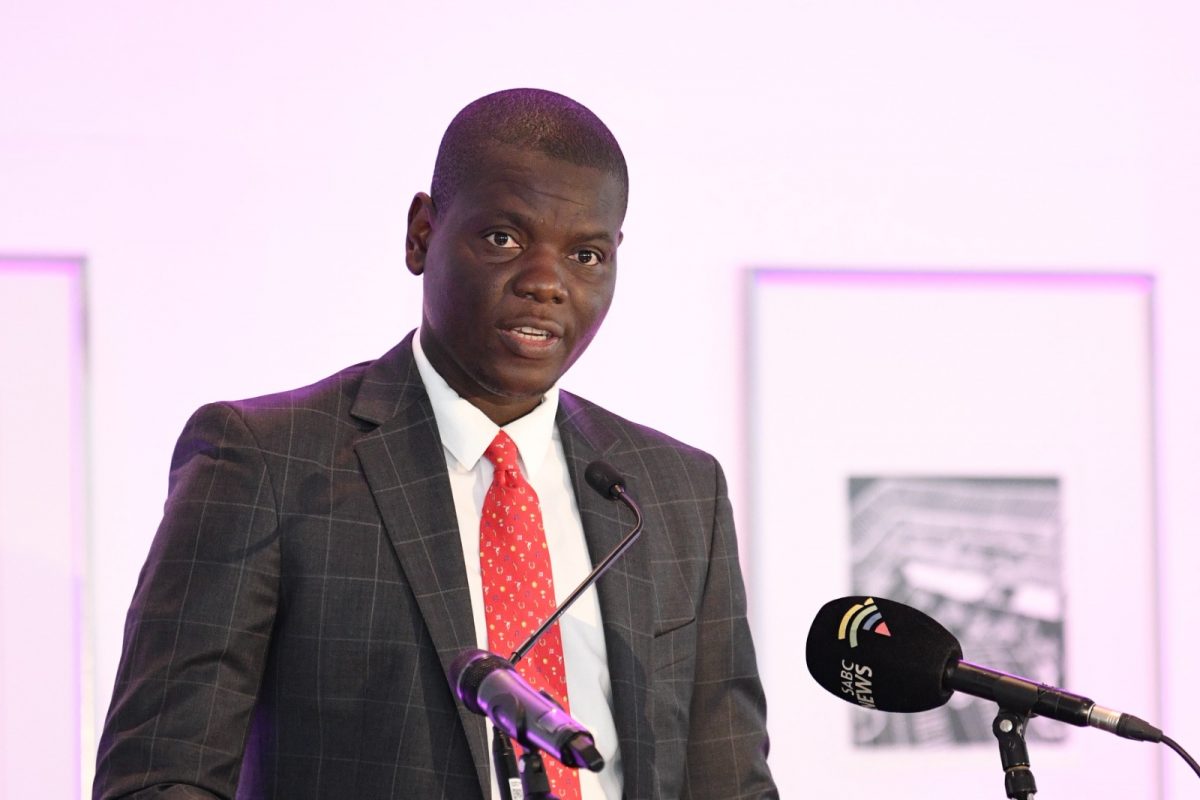
Image: International relations minister Ronald Lamola. Credit: DIRCO
