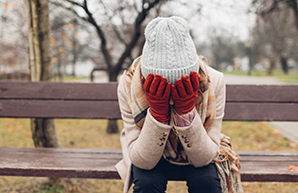
Image Source: Clicks
Local – As South Africa enters its winter months, mental health professionals are urging the public to pay closer attention to the psychological effects of reduced sunlight and colder temperatures.
Seasonal affective disorder (SAD) may carry the reputation of a northern hemisphere problem, but registered counsellor Vanishaa Gordhan-Narotam said the condition has a quiet but real presence in the global south, and most people do not recognise it until it has already taken hold.
The challenge is that the early signs are easy to dismiss. Staying in bed a little longer, skipping a walk, reaching for another cup of coffee — these feel like reasonable responses to cold weather.
But when those behaviours become patterns and low mood becomes the baseline, what seemed like a rough week may require more than willpower to overcome.
“Where seasonal affective disorder actually comes in is where it’s prolonged. That feeling of not wanting to move, not wanting to get out of bed — prolonged feelings of very low mood when it’s colder, just wanting to isolate yourself.”
Who Is Most at Risk
People already managing depression or another mental health condition face a compounded risk during winter. Gordhan-Narotam noted that reduced movement and withdrawal from daily activity are among the most visible warning signs.
The science centres on two key hormones. Less sunlight means reduced serotonin activity, which regulates mood and emotional stability, while the body simultaneously produces more melatonin, the hormone that signals rest.
“In the darker months, you produce more melatonin. Why? Because your body thinks it’s in rest mode. But leaving your home at half four or half five in the morning for work in winter is much harder — it’s still dark out there, and the sun hasn’t risen.”
The Hidden Toll on Working Adults
Office workers face a particular risk. Many leave for work before sunrise and return after dark, spending their entire day in closed, artificially lit environments with no meaningful sun exposure. Self-neglect, skipping showers, and avoiding basic routines are reliable indicators that professional help is needed.
“If you haven’t been outdoors in two or three days and your self-care is really being neglected, that’s where you need to seek out therapy, seek out counselling. Those who struggle with their emotional regulation are also at high risk — if you are already struggling even in the summers, reach out and seek that support.”
Gordhan-Narotam said the single most important step is getting outside. Deliberate sun exposure, even in small amounts, can make a real difference to mood and energy levels.
