Written by: Faseegah Davids, sociologist and writer.
South Africa, a nation that has maintained a consistent and principled relationship with Iran since 1994. For The Presidency, the crisis is not merely a distant regional skirmish but a fundamental observation of the United Nations Charter and the survival of a rules based global system. South Africa’s position is defined by arigorous adherence to international law, viewing the current military actions by the United States and Israel as acts of imperialist aggression that place the global economy at grave risk.
President Cyril Ramaphosa has been vocal in this regard, asserting that the illegal warfare being waged is a direct threat to international security and a violation of the sovereignty of the Iranian people. Which raises the question as tensions between the United States and Iran escalate, of whether the international order as we know it is changing and if so where are we headed?
South Africa’s diplomatic ties with Iran provide a unique lens through which to view the current deadlock. While the United States administration under President Donald Trump has dismissed Tehran’s peace proposals as pieces of garbage, South Africa recognises Iran’s legal right to defend its territorial integrity against armed attacks. However, this support is not unconditional or one sided. In a demonstration of its commitment to international law,South Africa has condemned Iranian retaliatory strikes against several Gulf Cooperation Council states.
The government argues that such actions exceed the limits of legitimate self defence under Article 51 of the United Nations Charter and risk igniting a catastrophic regional war. This stance underscores the rejection of pre-emptive or anticipatory force and a firm belief that no military solution exists for the current tensions. The Presidency, maintains that the only way forward is through maximum restraint and a return to the diplomatic channels that once offered a blueprint for regional stability.
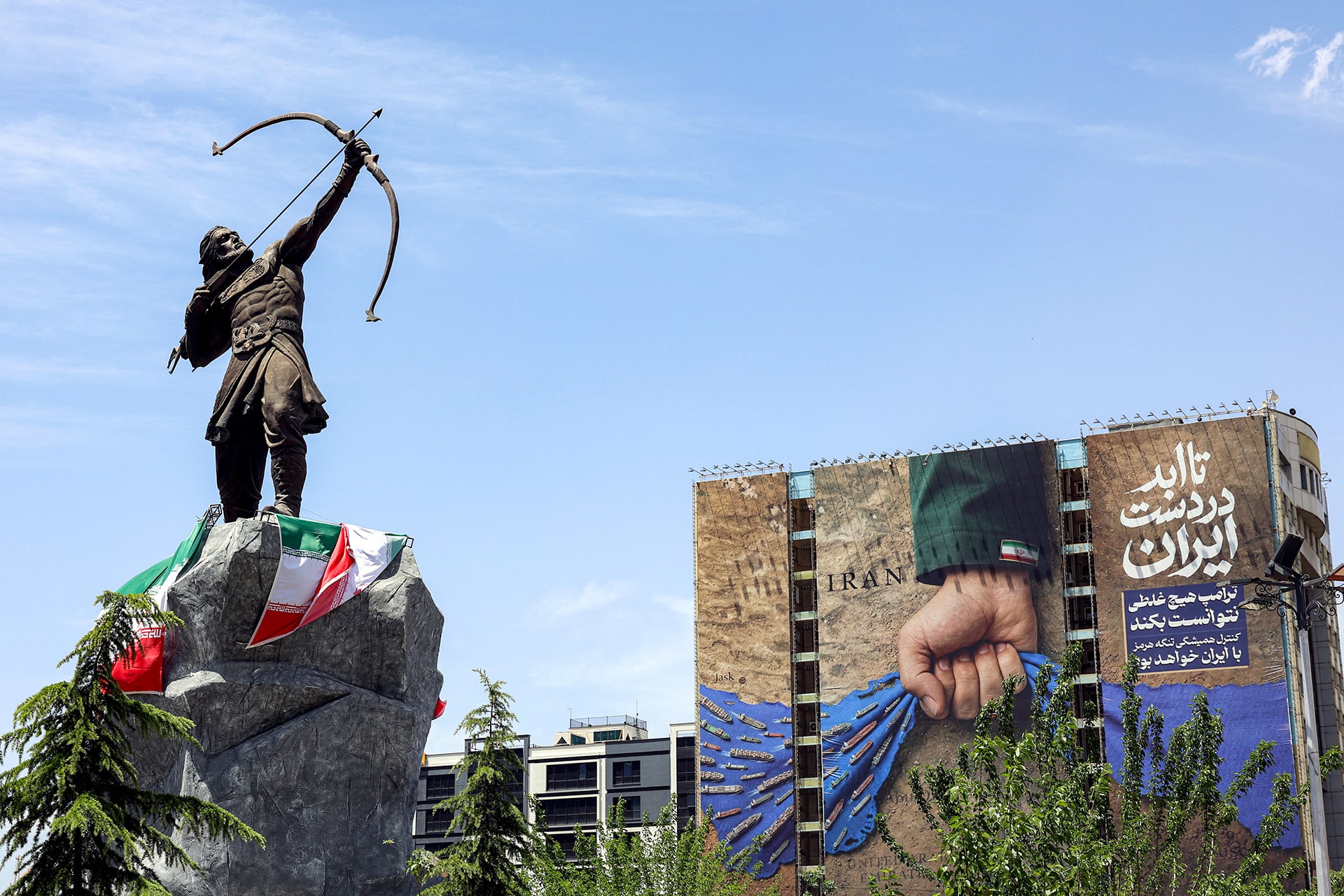
The global stakes of this confrontation are concentrated in the Strait of Hormuz, a maritime chokepoint that functions as the primary bargaining chip in a high stakes game of global chess. As approximately one fifth of the world’s oil supply passes through this narrow neck, its stabilisation is essential for energy security.
The International Energy Agency and reports from Bloomberg have highlighted that disruptions here have transformed a regional military crisis into a systemic economic shock. For Iran, control over this corridor serves as a powerful lever against international pressure. Shipping risks have already forced vessels to reroute or suspend transit altogether, driving up oil prices and transport costs that are felt from the gas stations of America to the markets of the developing world.
SMread: SAMNET warns Durban graffiti part of broader anti-Muslim campaign
Another key player in this war is the Gulf states that have built a fragile security architecture heavily dependent on Western, particularly American, military protection, exposing them to growing vulnerability as those guarantees become increasingly conditional and unreliable. Rather than genuine regional sovereignty, the Gulf monarchies are portrayed as caught between dependence on external powers and rising geopolitical instability.
The disruption of this corridor demonstrates how regional conflict can generate immediate global consequences through the destabilisation of energy supply chains. In an interconnected world, the use of force creates complex feedback loops that cannot be easily controlled by any single nation. South Africa views the Strait of Hormuz not just as a geographical feature but as a pulse point for the global economy.
The heightened risks in these waters have led to sharp increases in diesel fuel costs, which in turn drive up the price of everyday items on retail shelves. This economic reality has led to increased domestic scrutiny within the United States, where a majority of the public holds the administration responsible for the economic strain resulting from the conflict.
Furthermore, South Africa is deeply alarmed by the expansion of Israeli military operations into Lebanon. The government views these attacks as a clear breach of Lebanon’s sovereignty that has resulted in significant civilian casualties and the destruction of infrastructure. This expansion of the conflict across multiple actors, including groups such as Hezbollah and the Houthis, has transformed the situation into a networked war.
These actors operate with varying degrees of autonomy yet collectively contribute to the strategic depth of the Iranian region. As coverage from Al Jazeera reflects, the complexity on the ground involves an intersection of military, economic, and political dimensions that defy simple solutions.
Ultimately, South Africa views this war as a catalyst for a more multipolar world. As noted by Think BRICS, the conflict is a systemic shock to the architecture of globalisation itself, shifting power away from a single hegemony toward competing centres. The war is not simply a military confrontation but a signal that the international order is undergoing a significant transition.
By centring its foreign policy on the defence of international law and the political independence of all states, South Africa seeks to navigate these turbulent waters without being pulled into the vortex of a protracted military quagmire. The government continues to advocate for the use of established multilateral mechanisms, noting that previous negotiations regarding Iran’s nuclear program offered a path to reducing tensions that should be revisited.
The issue of preparation and resilience becomes increasingly relevant as the conflict drags on. Insights from energy market analysis suggest that economic diversification may be as critical as military capacity in surviving this period of instability. For South Africa, the goal remains the preservation of global peace and the protection of the international rules based order.
Without a significant diplomatic breakthrough, the extreme fragility of the current ceasefire means that any tactical miscalculation could reignite full scale hostilities, leaving the global economy and ordinary citizens to deal with the fallout of a broken international system.
SMread: Pedaling for peace across a continent
Image credit: Getty Images
