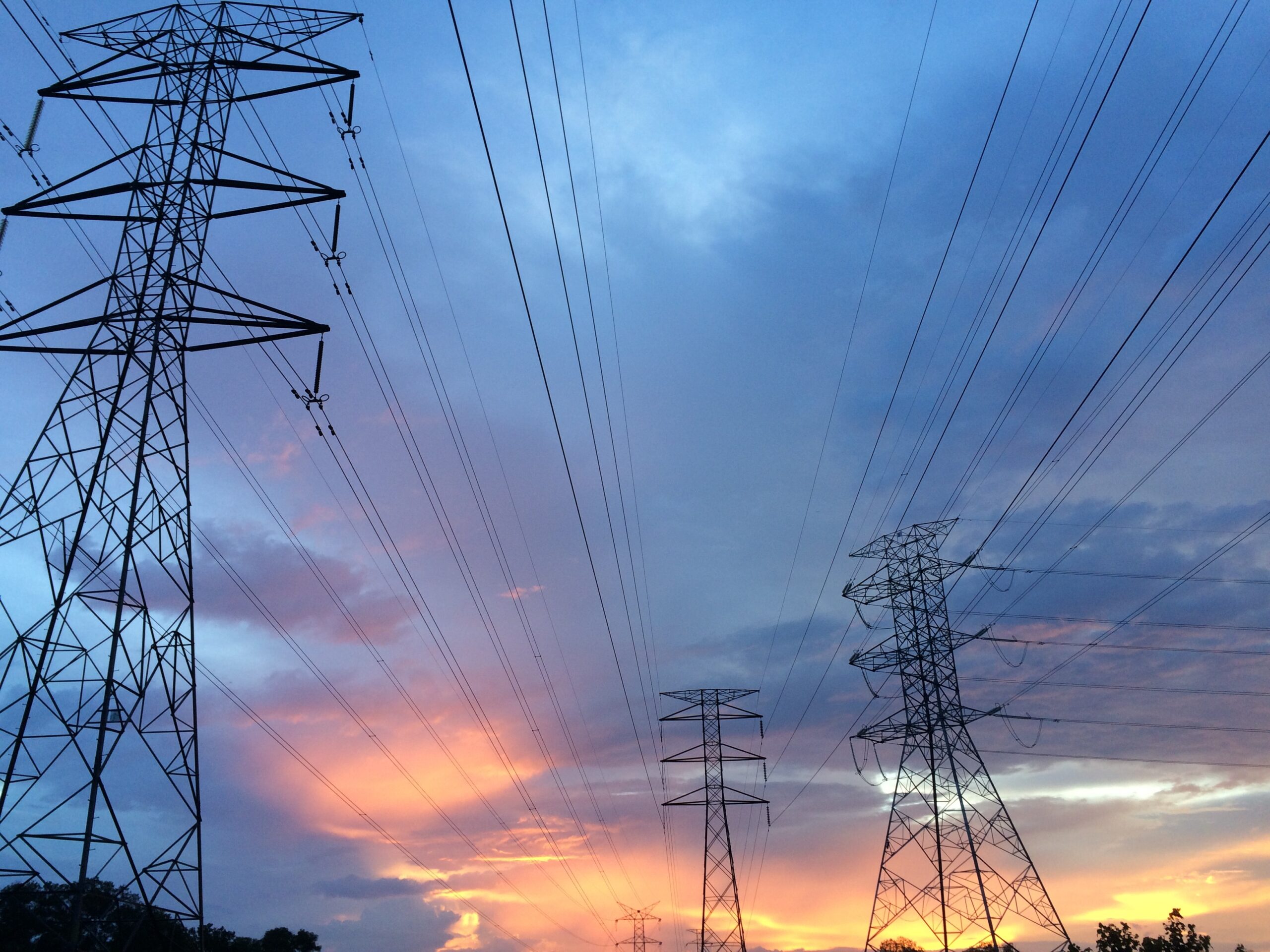
There were measures the president could have taken to avoid NERSA granting Eskom an 18% hike in the price of electricity Photo Pexels
South Africa – President Cyril Ramaphosa said his “hands are tied” on the National Energy Regulator of South Africa’s (NERSA) decision to hike electricity prices. However, experts claim Ramaphosa could have prevented the price hike if he wanted to and save citizens from the troubling times ahead.
NERSA have granted Eskom an 18.65% increase on electricity. This will come into effect April of this year. While consumers will be paying more for electricity, they will also start paying more for goods, said David van Wyk, Bench Marks Foundation Chief Researcher.
“The 18% increase will impact on prices throughout. We’re going to pay more for everything. It will impact on the basket that we take from the shops every day because the big retailers will simply push the increase that they have to pay onto us. There will be an increase in food prices. There will be an increase in the cost of living for ordinary South Africans as well.”
What concerns van Wyk is the drive from large corporations to maximise profits during such a time as well as close interests government officials have with these businesses. One of these officials is Thembani Bukula, chairperson of NERSA.
“He claims that he has declared his interests before becoming chairperson of NERSA and that he resigned from PowerX but did he give up his shareholding in PowerX for example. He has two wind farms, three solar farms and he’s one of five independent power producers that got contracts from the government. He produces independent power. Now the question that people are rightfully asking is, is his company going to be a beneficiary of this 18% increase from Eskom?”
Disastrous power stations and lackluster coal impacting electricity output
Back in 2020 Deputy President David Mabuza said the introduction of Medupi and Kusile power plants would help ease the country’s loadshedding. At that point, Medupi was already synchronised with the national grid and producing power for at least a year. The money spent on these two disastrous power plants should have been spent on renewable energy instead, insisted van Wyk.
“We opposed that even before they started. We had a conference with the World Bank and also the IMF and European financiers of those two power stations. We said to them don’t finance these projects rather finance a transition to alternative energy. You could have put solar panels on every single roof in the country instead of building those two power stations with the money wasted on them. They are way behind their time schedules. They are three or four times over budget and this is what we are paying for. We are paying for loans that were entered into the past.”
One of the other main reasons South Africa is facing loadshedding is due to the constant breakdowns at power stations. This has been linked to Eskom using substandard coal which very often has stones in it. These stones are thrown into the furnace and end up damaging the equipment. While Eskom uses substandard coal, South Africa exports its best coal to Europe which is ridiculous, said van Wyk.
“We talk about the issue of substandard coal going into the existing derelict power stations that are busy falling apart at the moment. The reason why substandard coal is going in there is because all the best coal is being exported from the country to Europe. With this conflict going on with Russia in Ukraine, there’s a power crisis in Europe at the moment. So they’re buying up all the coal that they can find on the planet and our coal included. So Eskom gets the worst coal while the best coal goes to that consumer who pays more for coal than anyone else and that’s of course the European Union and not South African buyers and not Eskom.”
SMread: South Africans Should Be Wary of Scammers
Not utilising our relationships and current power supply properly
South Africa exports electricity to countries such as Botswana, Lesotho, Mozambique, Namibia, eSwatini and Zimbabwe. Eskom owns Cahora Bassa which is one of the largest dams ever created to produce electricity. This dam is used to supply electricity to Maputo, Tete, Moatzie and South Africa but it is being underused, explained van Wyk. Apart from this, South Africa is also failing in using its relationship with China to full effect as other African countries have.
“There are two issues here. The first thing is that Cahora Bassa belongs to Eskom which is the big dam in the north of Mozambique. If you develop the north bank of that dam, it can supply all the electricity that we need but no one wants to do that because everyone wants to make money out of coal. The second thing is that the Chinese have also helped the Zambians to release themselves from the grip that Eskom has on the Zambian power supply by building new dams in the north of Zambia. We are a member of BRICS but somehow we don’t make use of our membership of BRICS to utilise the kind of support that we can get from a country like China.”
China is also improving Kenya by helping to fix roads and ensuring their is a steady supply of electricity in the country. South Africa, instead, relies on borrowing money and diesel instead of seeking help from China, said van Wyk.
SMread: ‘Broken’ police force a threat to South Africans – researcher
The viability of using coal in the long term
Experts predict South Africa has enough coal to run coal power stations for at least the next 100 years. It is on the basis of this, many feel South Africa should not be looking towards making the transition to renewable energy as yet. However, while that may be true, van Wyk firmly believes coal is not a viable solution as it is in the hands of private companies.
“The coal belongs to private companies. The private companies sell to the highest bidder which is Europe at the moment so the coal won’t come to South Africa. It’s simple market logic unless the government nationalises the coal which the government will never will do because senior members of the government are all shareholders in coal companies.”
While Gwede Mantashe explained shutting down the coal mines in Mpumalanga could see the end of coal towns, van Wyk is convinced these town can be turned into a hub for alternative electricity. Furthermore, South Africa has an abundance of manganese which is used in the manufacturing of alternative electricity. Instead of using it in our country, it is being exported at a frightening rate.
“We’ve got more than 90% of the world’s manganese. Manganese is absolutely important in terms of the manufacture of alternative energy technology. We are exporting it at such a rapid rate that soon we won’t have any manganese left and where will the manganese go? It will go to other countries that will produce the technology for alternative energy and we will have to buy that back at a very expensive rate.”
