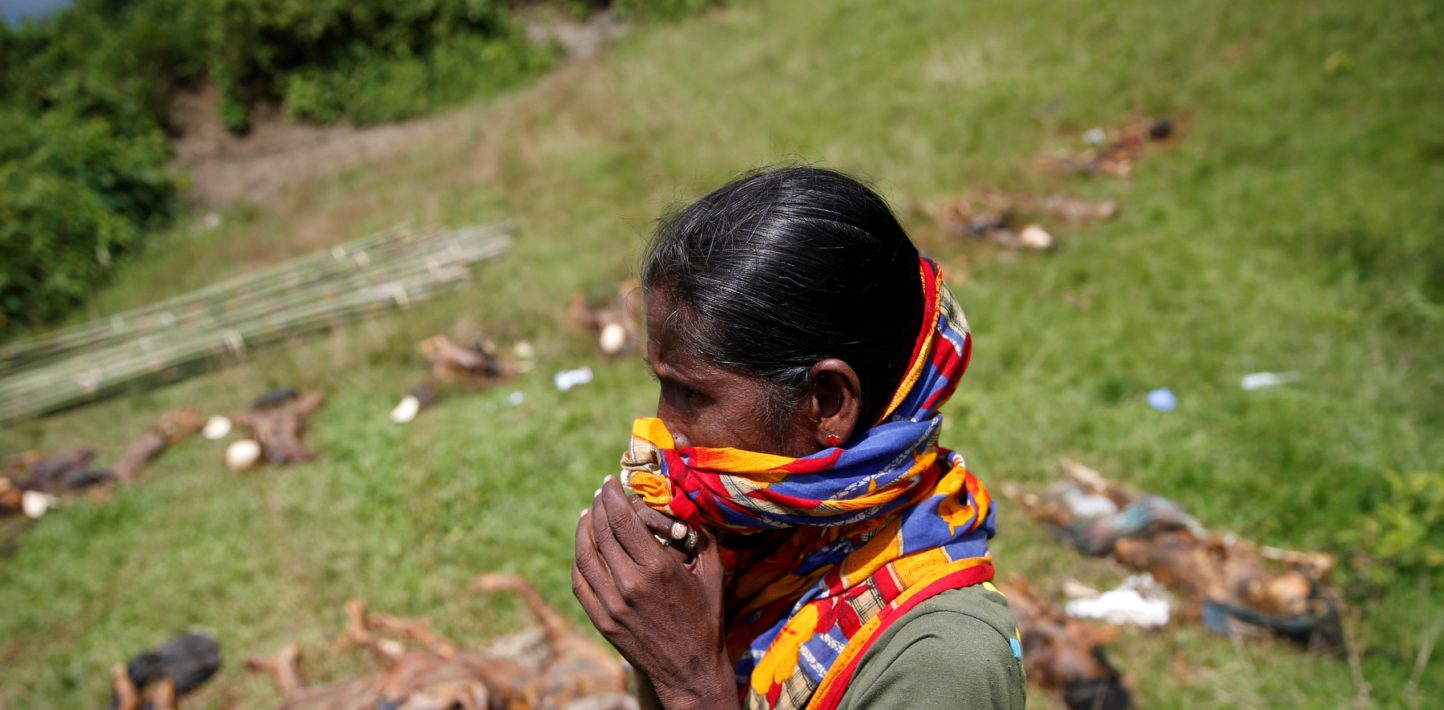
The crisis facing the Rohingya community in Myanmar’s Rakhine State continues to deepen as reports reveal escalating sexual violence against women and girls, widespread displacement and a growing generation of vulnerable orphaned children.
What was internationally recognised as genocide in 2017 has evolved into an ongoing system of fear and control, with sexual violence increasingly tied to forced recruitment, detention operations and conflict between the Myanmar military, known as the Tatmadaw, and the Arakan Army.
For Rohingya women and girls, the violence has never been just a byproduct of war. It has been designed to terrorise communities and dismantle family structures.
SMread: South Africa’s broken promise: how service delivery failures are breaching the social contract
Violence used as a tool of control
Women and girls are reportedly subjected to abduction, repeated rape, gang rape and sexual slavery during military raids, arrests and forced detentions. Many are forcibly separated from their families and held by armed groups with little protection or possibility of escape.
The attacks do more than inflict physical harm. They create fear powerful enough to destabilise entire communities.
For decades, Rohingya women have lived under systemic persecution. Following the genocidal crackdown of 2017, these abuses became more visible to the international community, yet accountability has remained painfully limited.
Since early 2026, reports have pointed toward another disturbing shift. Sexual violence is increasingly linked to forced recruitment efforts by both the Tatmadaw and the Arakan Army, placing women and girls at even greater risk within an already volatile conflict zone.
SMread: Israeli forces detain activists on Gaza flotilla
Survivors carry trauma long after the violence ends.
For many survivors, the suffering continues long after the assault itself.
Psychological trauma refers to the emotional and mental response a person experiences after enduring deeply distressing or overwhelming events. Trauma can develop after experiences such as violence, abuse, war, displacement or loss, especially when a person feels powerless, unsafe or unable to escape the situation.
While physical wounds may heal over time, psychological trauma often continues affecting the mind and body long after the event has ended. It can influence emotions, behaviour, memory, relationships and a person’s entire sense of safety and identity.
In many cases, trauma may lead to anxiety, depression, fear, emotional numbness, difficulty trusting others and symptoms associated with post traumatic stress disorder.
When trauma occurs repeatedly or over long periods, especially within conflict environments, its psychological effects can become deeply rooted and intergenerational.
Beyond severe psychological trauma, women often face social stigma within deeply conservative communities where discussions around rape remain heavily silenced. Instead of receiving support, many survivors experience isolation, shame and exclusion.
Some are left raising children conceived through rape, creating another layer of emotional and social hardship. These children frequently grow up facing rejection, identity struggles and marginalisation inside displaced communities.
Inside refugee settlements such as Cox’s Bazar, where around 1.3 million Rohingya refugees currently live, humanitarian support remains critically overstretched. Access to psychosocial care, long term counselling and protection services remains limited, leaving survivors with few pathways toward healing or stability.
SMread: Agriculture sector eyes 300 000 new jobs
Thousands of children are growing up without protection
Among the most devastating consequences of the conflict is the growing number of orphaned Rohingya children.
Estimates suggest that between 20,000 and 30,000 children within refugee camps have lost one or both parents through violence, displacement and ongoing conflict. Many are growing up without stable care and legal protection.
This vulnerability leaves children exposed to exploitation, trafficking and recruitment by armed groups operating within unstable environments.
The crisis extends beyond immediate survival. The destruction of family systems, culture and identity forms part of a pattern that many activists and human rights advocates argue reflects genocidal intent.
Erasing people does not only happen through killings. It also happens through the dismantling of community, language, safety and belonging across generations.
SMread: SA–Iran relations, the bargaining chip of Hormuz and the fragility of diplomacy
The difficult questions around adoption and identity
As conditions inside refugee camps worsen, conversations around international adoption have become increasingly complex.
Some argue adoption may offer orphaned children opportunities for safety, education and long term stability unavailable within overcrowded camps. Others fear it could contribute to the further loss of Rohingya cultural and religious identity.
The debate reflects a painful reality with no easy solution. Preserving identity matters deeply, but so does protecting children from cycles of poverty, exploitation and prolonged instability.
SMread: WHO declares Ebola outbreak a global health emergency
A humanitarian crisis still demanding attention
The ongoing violence against Rohingya women and children remains one of the world’s most urgent humanitarian and human rights crises.
The continued use of sexual violence as a weapon of war, the widespread lack of accountability and the growing vulnerability of orphaned children reveal a conflict that extends far beyond politics or territory.
It is a crisis rooted in fear, displacement and the systematic destruction of a people’s future.
And despite years of international condemnation, many Rohingya families continue to live without safety, justice or the certainty of what tomorrow will bring.
For more on this, watch the interview below:
Image credit: Amnesty International
