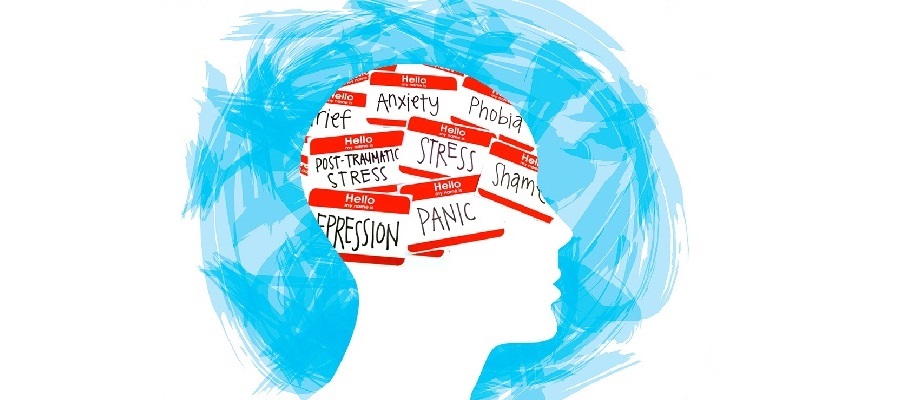
The relentless stream of graphic content from the ongoing genocide in Palestine is inflicting significant and unprecedented psychological harm on viewers worldwide, leading to conditions like vicarious trauma, anxiety, depression, and what experts are terming moral injury.
A South African psychiatrist warns that the unique nature of the genocide in Gaza — being the first to be broadcast in real-time on social media — is creating a novel mental health crisis for those bearing witness from a distance.
Dr Fatima Minty, a Johannesburg-based psychiatrist with a special interest in women’s mental health, explains that the constant, often inescapable, exposure to brutal imagery is having a profound effect. “We are witnessing trauma in real time,” Dr Minty stated in a recent interview with Salaamedia.
She highlights that individuals can experience symptoms akin to post-traumatic stress disorder (PTSD) “even just from repeated, ongoing, consistent exposure to those events,” a phenomenon previously associated only with those directly experiencing trauma.
This vicarious trauma manifests in various ways, including low mood, helplessness, anxiety, irritability, and sleep disturbances. However, Dr Minty points to two often-overlooked consequences: moral injury and compassion fatigue.
Moral injury is described as “the sense of helplessness that individuals feel when they are exposed to content or events that go against their morals or their ethical values.” The feeling that a grave injustice is occurring without consequence can induce deep frustration and distress.
On the other end of the spectrum is compassion fatigue, a coping mechanism where individuals become emotionally detached or numb to the horrific content as a form of self-preservation.
SMread: Court halts offshore drilling in landmark environmental ruling
Navigating an unprecedented mental health landscape
The psychological impact is being recognised globally. A study published in BMC Public Health on the mental health of adolescents in a neighbouring country to Gaza found that after exposure to war scenes, nearly a third of respondents experienced stress, over 60% showed signs of depression, and more than half reported anxiety.
The study concluded that the worst degrees of mental illness were significantly related to the intensity and duration of media exposure. This aligns with warnings from United Nations experts, who have stated that the deliberate starvation and relentless bombardment in Gaza not only constitute grave international crimes but also increase “the risk for trauma and mental health injuries” among the population.
For activists and those in the Palestine solidarity movement, these effects are compounded. The Commons Library, an activist resource hub, notes that many are experiencing “a storm of intense emotions” that has clouded their daily lives. They acknowledge that this trauma disproportionately affects Palestinians, people of colour, Muslims, and those who have survived previous traumas.
The constant work to challenge the genocide while witnessing it unfold creates a high risk for burnout and secondary trauma, making self-care and community support essential.
Dr Minty stresses that because the sheer violence of the visuals is “completely unprecedented,” the reactions people are having may also be new and unusual. She advises several coping strategies to manage the psychological toll:
- Conscious consumption: limit exposure to distressing visuals by opting for text-based news or podcasts. Allocate specific times to catch up on events rather than doomscrolling.
- Seek reputable sources: avoid sensationalist or “clickbaity” content designed to provoke an emotional response and stick to factual reporting.
- Practise self-care: overcome feelings of guilt and prioritise personal well-being, such as getting enough sleep and engaging in enjoyable activities. “You fill your cup in a sense, and then you have residual capacity to be able to deal with this kind of content,” Dr Minty advises.
- Find community and take action: counteract feelings of helplessness by getting involved with like-minded people and organisations. “Being involved, feeling as if you are contributing in some way helps to relieve that sense of helplessness,” she says.
- Turn to spirituality: connecting with a higher power can provide a sense of relief and contentment.
Ultimately, experts agree that the agony of remote viewers does not alleviate the suffering in Gaza. Instead, they recommend channelling the energy from feelings of anger and frustration into productive action, such as volunteering, donating, or advocating through official channels.
The phenomenon of moral injury underscores the deep psychological conflict viewers experience, caught between the horrors on their screens and their inability to stop them.
Image: Foreign Language Publications
