Image Source: GroundUp
Local – Amid international donor cuts, Deputy President Paul Mashatile has announced that the South African government is intensifying efforts to strengthen domestic funding and launch national campaigns to address gaps in the fight against HIV/AIDS.
The Deputy President emphasised that the country would not allow international funding cuts to derail decades of progress in fighting the epidemic.
He urged citizens, health partners, and communities to remain united as the government strengthens its domestic response.
“We acknowledge the impact of US funding cuts on our response; even so, the government is diligently working to preserve our achievements in the fight against HIV/Aids. While these accomplishments may be momentarily jeopardised, we will prevail,” Mashatile said.
The announcement came after the United States, under President Donald Trump’s administration, confirmed significant cuts to foreign aid.
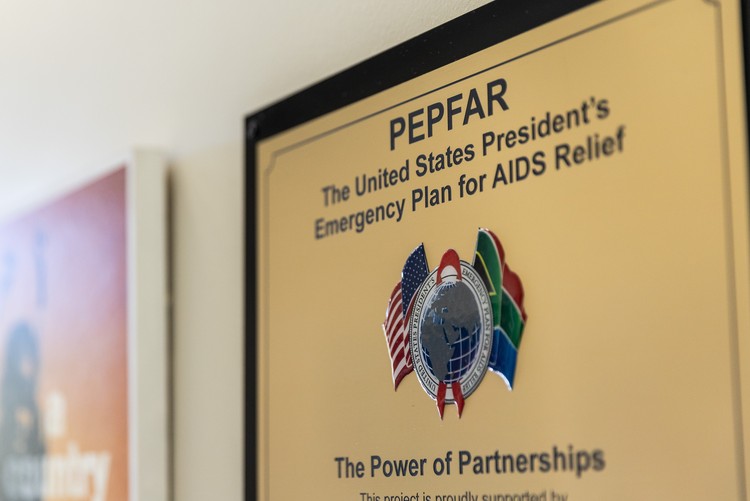
South Africa, which has long relied on support through the President’s Emergency Plan for AIDS Relief (PEPFAR), faces uncertainty as nonprofits previously funded by the programme lose critical resources.
These organisations have played a central role in testing people for HIV, linking them to treatment, and supporting provincial health departments in delivering care.
The withdrawal of funds is expected to disrupt this network unless new sources of support are found.
Exploring Partnerships Beyond Donor Funding
Speaking as Chairperson of the South African National AIDS Council (SANAC) at the opening of the 12th SA AIDS Conference at Emperor’s Palace in Kempton Park, Mashatile revealed the government’s plans to look for new partners.
He explained that South Africa is considering broader collaboration with international blocs and local stakeholders to mitigate the shortfall in donor support.
“South Africa is also exploring partnerships with BRICS nations and the private sector to cushion the impact,” he added.
The four-day conference, themed “Unite for Change – Empower Communities and Redefine Priorities for HIV/AIDS”, has gathered leaders, researchers, and advocates from across Africa and beyond.
It is aimed at addressing the shifting realities of HIV management, prevention, and community mobilisation.
Shifting Focus Towards Community Empowerment
Mashatile also highlighted the need to rethink strategies in how communities engage with healthcare. He said the time had come to move away from traditional approaches that placed all responsibility within the healthcare system itself.
He argued that meaningful change requires giving greater responsibility to affected communities, ensuring that resources are channelled directly to those on the frontlines.
“To empower communities and redefine priorities for HIV/Aids, our strategies must prioritise giving power and resources to those who are most affected. This means moving away from a top-down, clinic-centred approach and towards one that is community-owned and driven.”
The Deputy President further drew attention to the National Strategic Plan for HIV, TB, and STIs (NSP 2023-2028).
He said the plan provides an opportunity to strengthen inclusivity in healthcare, expand awareness campaigns, and break down stigma.
He stressed that South Africa must not lose sight of education, support, and accessibility in its fight against HIV/AIDS.
“We must ensure access to comprehensive and inclusive healthcare services that leave no one behind. And we must continue to champion education, awareness, and destigmatisation efforts that break down barriers and foster a culture of understanding and support.”
Closing Gaps in UNAIDS Targets
The Deputy President noted that although South Africa had made progress, significant challenges remain. He admitted that the country has yet to meet the ambitious UNAIDS 95-95-95 targets fully.
He pointed out that while testing levels were strong, gaps remain in keeping people on consistent treatment programmes.
“The country is currently sitting at 96-78-97. One of the first tasks the Minister of Health prioritised in the seventh administration is closing the gap in the second 95.”
New Campaigns to Expand Treatment Access
Earlier this year, Health Minister Aaron Motsoaledi launched a nationwide campaign to trace 1.1 million people living with HIV who are not yet on treatment. Running parallel to the “End TB Campaign,” the initiative also aims to test five million people by 2025/26.
South Africa continues to carry the world’s highest burden of HIV and TB relative to its population, with young women and adolescent girls disproportionately affected.
The government hopes that renewed campaigns will curb the spread of new infections.
Despite these challenges, Mashatile urged South Africans to remain optimistic about the future. He said the country’s track record in managing HIV is a strong foundation for further progress.
“We are a resilient country with a brilliant track record in HIV management. Together, we can shape a future where HIV/AIDS is no longer a threat, but a distant memory of our collective strength and determination,” he concluded.
