Image Source: Daily Wire
World – Following the assassination of Iran’s Supreme Leader by United States and Israeli forces, the Islamic Republic moved quickly to elect a successor, signalling both defiance and institutional resilience, even as Western observers characterise its leadership as hardliners unwilling to engage diplomatically.
The killing of Ali Khamenei, described by analysts as a decapitation strike aimed at triggering the collapse of the Islamic system, instead prompted the Council of Experts to convene for over a week of intensive deliberations.
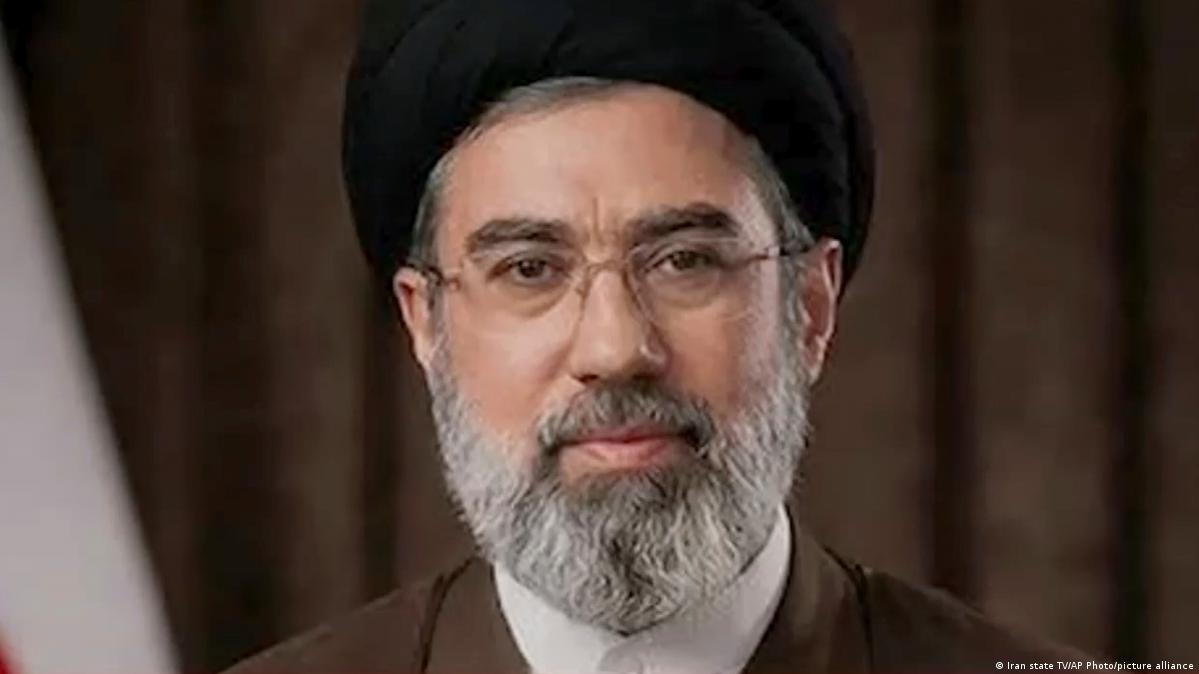
The council, comprising more than eighty scholars, jurists, and senior officials elected by the Iranian public, ultimately voted to elect Mojtaba Khamenei as the country’s new supreme leader.
Press TV correspondent in South Africa, Hassen Seria, said the appointment reflects the robustness of Iran’s governance structures and the country’s determination to maintain continuity amid war.
Seria described the new leader as a figure deeply embedded in the Islamic Republic’s institutions, having volunteered for the Iran-Iraq war at seventeen before pursuing advanced studies in jurisprudence.
He noted that Mojtaba Khamenei had served within the office of the supreme leader and maintained strong ties with the Islamic Revolutionary Guard Corps (IRGC), regional allies, and the country’s seminary networks throughout his career.
“He has played a major role in the Islamic aspects of the country, understanding himself as a scholar as well, and then also conveying that knowledge, having played a role in Iran’s continued struggle for liberation, working within the office of the supreme leader, which is, of course, the highest office within the country,” Seria said.
A Battle for Survival
Seria explained, the council’s deliberations were shaped by the gravity of the moment.
With the United States, Israel, and allied Arab regimes engaged in what he described as a coordinated effort to obliterate the Iranian system, the council prioritised a leader who would hold the line on the principles of the Islamic Republic.
“This is a battle for survival, and therefore I think when the council of experts sat and when they deliberated on who the new leader should be, they were looking for continuity,” Seria said.
Iran’s Foreign Policy Direction
On foreign policy, Seria rejected the hardliner label as a Western media construct, arguing Iran had remained at the negotiating table right up until the February 2026 strikes.
He said the Iranian system, with its elected parliament, presidency, and layered checks and balances, was designed to ensure policy continuity regardless of who held the office of the supreme leader.
“Iran is going to continue to see good neighbourly relations with those countries as it always has. I think the big difference may come in that if the outcome of this war is that the American bases and the American presence are removed from the region, that will actually give Iran and the Arab countries more scope to develop relations without the interference and hegemony of the West,” Seria said.
