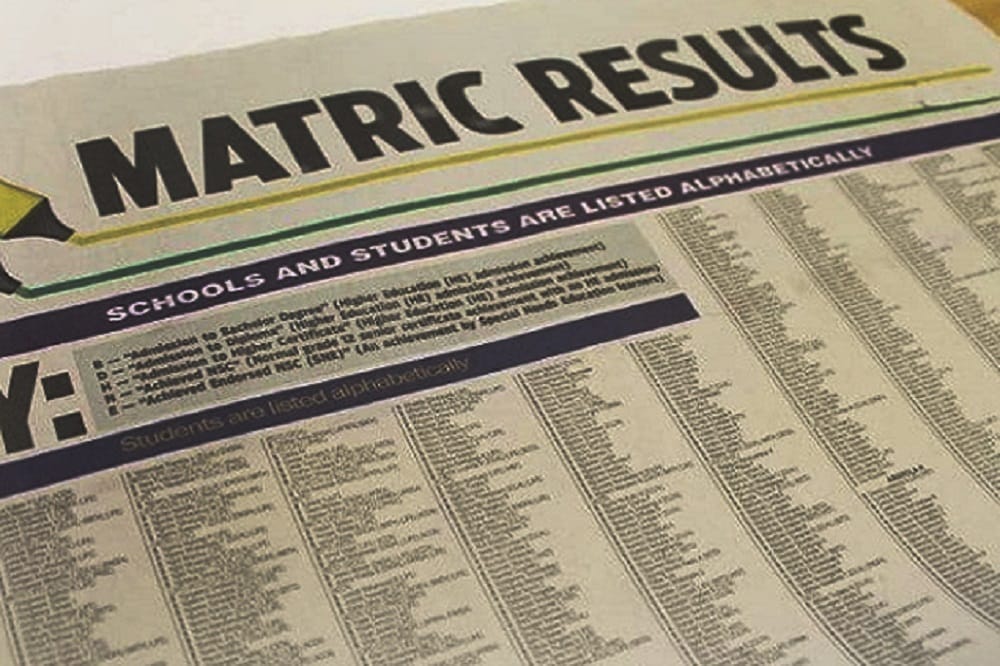
South African youth are receiving their matric results and many are holding their breath. The moment is filled with pride, fear and a deep sense of uncertainty. Parents, teachers and communities are watching closely because matric often feels like the gateway to work, study and a better life. Here is the question many young people are asking: What happens next if things do not go as planned?
The pressure on students is immeasurable. Many prepare the whole year with the belief that one result will define everything. Dr Daphney Mawila-Chauke, senior lecturer in the Department of Educational Psychology, Faculty of Education at the University of Johannesburg (UJ), reminds us that success in matric does not always translate into guaranteed employment in South Africa.
SMread: ‘America is captured by Trump’
Do good results equate to a good job?
Youth unemployment remains high and good marks won’t always be the solution. This is where resilience comes in. Young people are encouraged to think flexibly, to adjust expectations and to stay active rather than stuck.
Some learners feel anxiety and sadness around this time. It is important to normalise those emotions instead of shaming them. Matric is a milestone but it is not the only pathway.
Vocational training, TVET colleges, small businesses, volunteering and community projects can all become meaningful stepping stones. As Dr Daphney Mawila-Chauke advises, “Do something temporarily”. Small steps still count. They build confidence, skill and direction over time.
SMread: Ramaphosa: BEE under ‘severe attack’
How to help the youth build resilience during these times
Young people benefit from supportive parents and mentors who listen rather than judge. Comparison to others usually increases stress. Focusing on what is within reach helps restore calm. Building resilience means learning how to ask for help, how to rest when overwhelmed and how to continue after disappointment.
One of the strongest reminders from Dr Daphney Mawila-Chauke relates directly to this sentiment : “Whoever goes to school doesn’t plan failure”. Every learner deserves compassion. Results are not a measure of worth. She also reassures students that “Matric is not the end of the world”. There are always next steps and second chances.
SMread: Relief mobilised as fires displace thousands
Employment challenges in South Africa
Even after matric or university, finding work is difficult for many South Africans. Limited spaces in higher education and a competitive job market leave many waiting. This waiting period can be heavy. Some youth turn to harmful habits like substance use or gambling to cope with stress and uncertainty. These choices can deepen mental health struggles and affect families and communities.
Healthy alternatives exist. Job shadowing, internships, short courses and small entrepreneurship ideas can all keep young people engaged. Communities and government support matter, but so does personal agency. Seeking guidance, staying connected and choosing safe coping strategies protect mental well-being.
How we got here is linked to history, education systems and economic inequality. What else is happening includes ongoing conversations about building more universities, strengthening TVET pathways and expanding real employment opportunities for youth. The future calls for patience, flexibility and collective care.
Matric is important but your life is bigger than one result. Reach out when it feels heavy. Keep learning in whatever form is available. You are more than a mark on a paper.
For more on this, watch the video below:
